
Care and Maintenance of a Trumpet
Monthly care and maintenance
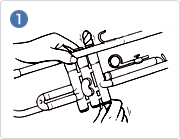
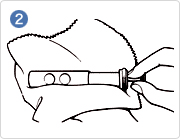
Cleaning the valve casings
- Wrap a polishing gauze around a cleaning rod so that the metallic part of the cleaning rod's tip is not exposed, and use it to wipe dirt from the inside of the valve casings.
- Wipe dirt off the pistons using a polishing gauze. Insert the pistons into the valve casings and apply two or three drops of valve oil to the valve casings.
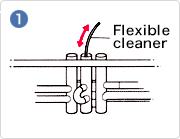
Cleaning the inside of the body of the instrument
Make up a brass soap solution, consisting of 10-15 parts warm water (30–40ºC) to one part brass soap.
- Soak a flexible cleaning brush in the brass soap solution and use it to wash the inside of the tube.
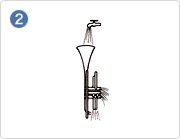
- After removing the dirt, use clean water to wash off the brass soap. After removing all moisture with gauze, apply oil and grease.
Wipe the instrument clean before changing oil types
After cleaning your instrument, you should use one type of valve oil until the next time you clean the instrument. When changing valve oil types, washing away or wiping off any old oil from within the piston and the valve casing will ensure the new oil performs well. Depending on the oils, mixing oils together may cause stickiness or separation and prevent the true benefits of the oil from being obtained.
Viscosity differs even when using products from the same series lineup—for example, Yamaha Valve Oil and Yamaha Valve Oil Light have different viscosities. If possible, we recommend that you wipe off the old oil and clean the instrument before using a different oil.
Replacing the cork on water keys
Water key cork will become soft due to moisture with extended use. Left as-is, the cork will become damaged and the key will no longer function properly, so it is best to replace it. Please consult a musical instrument store about replacing the cork.
Musical Instrument Guide: Trumpet Contents
Structure
How the Instrument is Made
Choosing an Instrument
Care and Maintenance
Trivia
- Trumpeters in Bach's time alternated between instruments with a variety of ranges when performing
- The keyed trumpet-the fruit of the evolutionary process
- Famous trumpet works—Concertos, part 1
- Famous trumpet works—Concertos, part 2
- Famous trumpet works—Solos
- Is a Flugelhorn a horn? Or a trumpet?
- The highest note a trumpet can produce
- Aida trumpets for the Grand March
- The secret of the trumpet's traditional tone: small impurities!?