
Breathing Measurement Technology for Use during Musical Instrument Performance
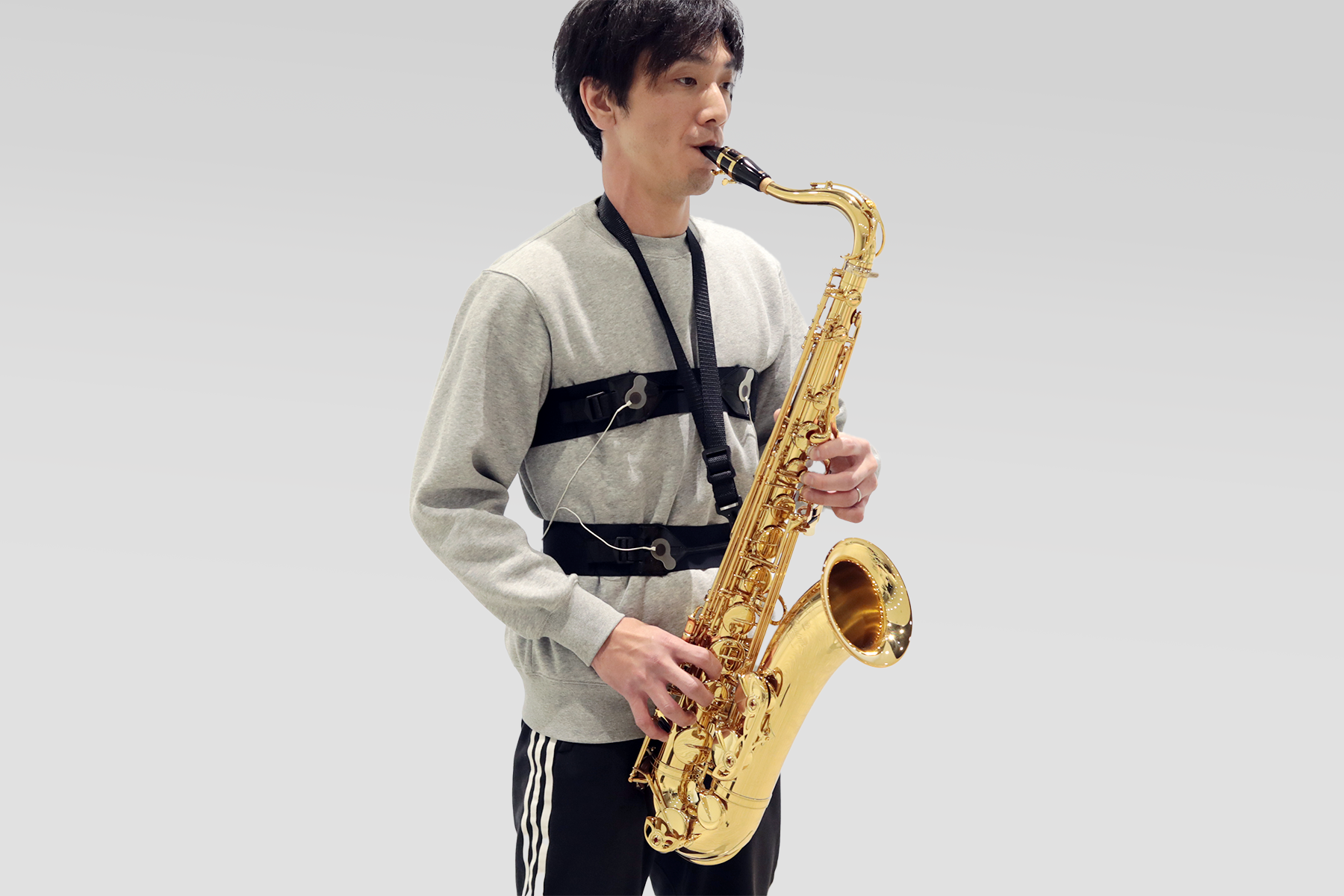
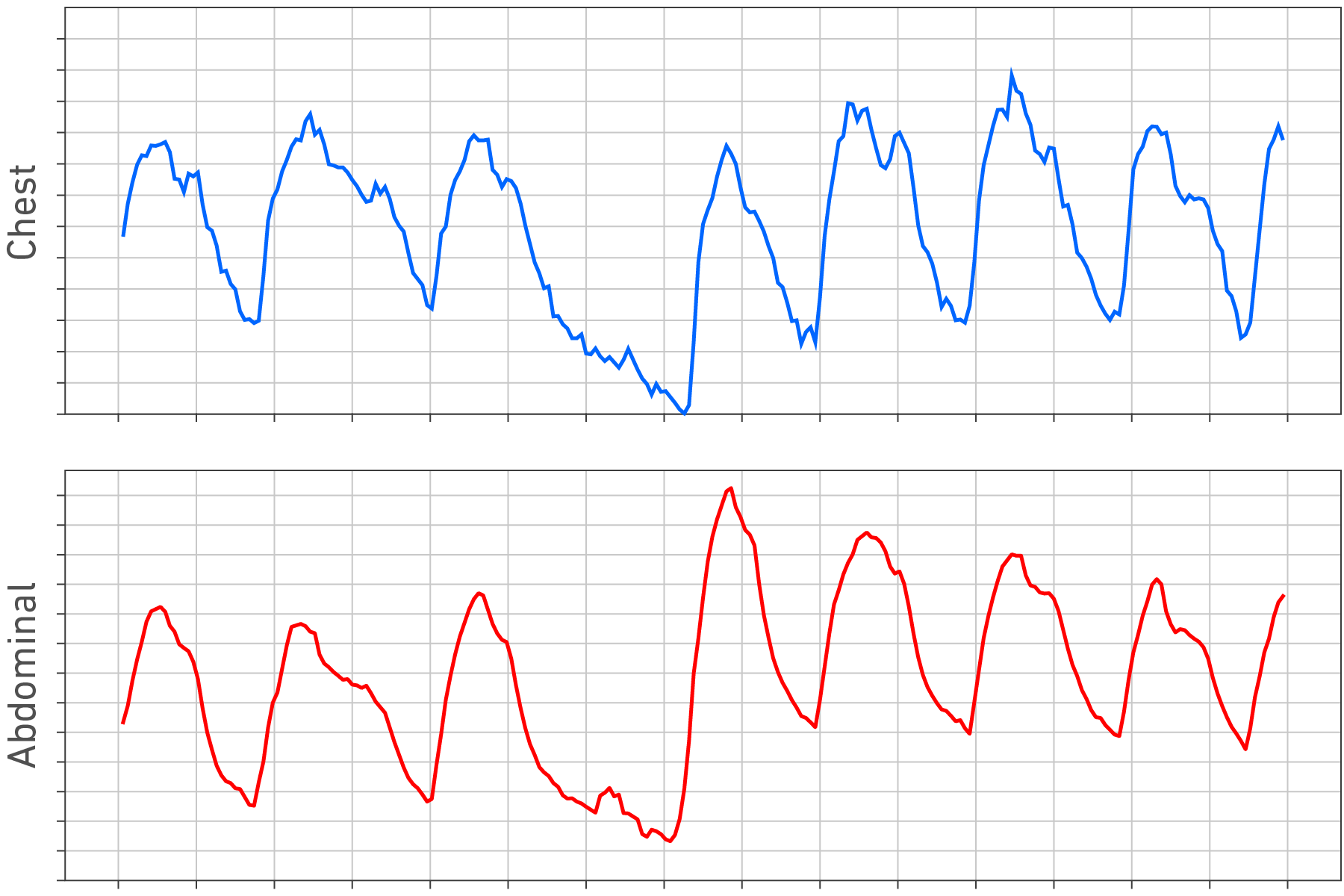
Visualizing Breathing during Musical Instrument Performance
Breathing is one of the most basic physiological activities that we perform naturally in our daily lives. Breathing is deeply connected to our body’s rhythm and our calmness of mind, and plays an important role as the foundation for various actions and behaviors. Also, although we usually breathe at a steady rhythm, it is believed that we unconsciously adjust that rhythm when we are concentrating or synchronizing our movements to a specific timing.
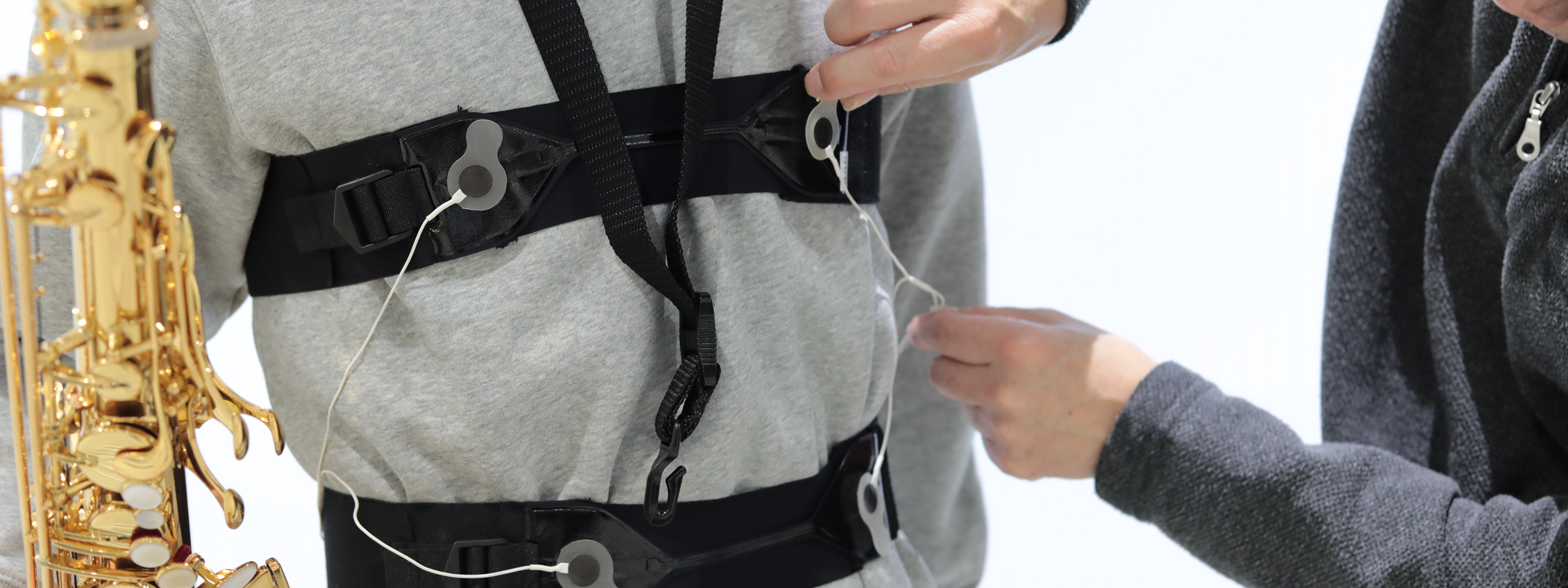
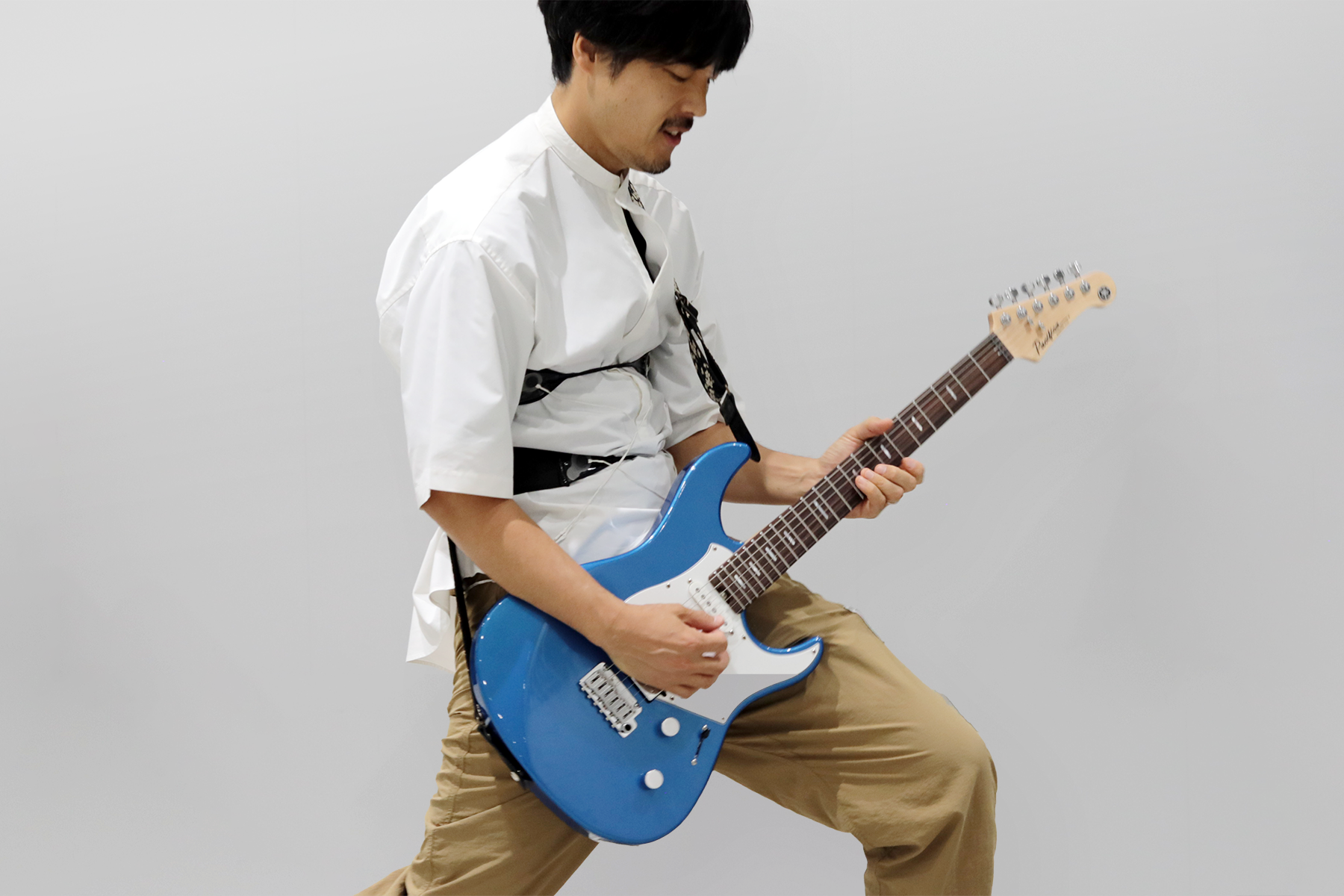
It is said that the breathing of someone who plays a musical instrument is also closely connected to expression and tone. To elucidate this relationship while fully drawing out the performer’s potential, it is necessary to sense the performer’s breathing motion without placing any load on the performer. Therefore, Yamaha is working on research into real-time measurement technology of performers’ chest and abdominal movements and breathing patterns. This research focuses on the use of “GummiStra®” a stretch sensor that uses carbon nanotubes to detect changes in resistance, in order to measure breathing without discomfort to the performer.
Unique Sensor Created through Collaboration
Many mysteries still remain regarding the process of breathing during a musical performance. For example, although breathing methods are taught when teaching someone how to play a wind instrument, much remains to be clarified in order to use data to quantitatively demonstrate the ideal breathing motion.
An important consideration when measuring the breathing of instrumentalists is that the sensors attached to the body should not hinder natural movement during a performance. Many existing methods for the measurement of breathing measure load by constraining deformation, and those methods require constricting the body with a rigid strap or similar device in order to measure load. However, these methods place too much burden on the performer, hindering natural performance.
GummiStra, a unique stretch sensor that Yamaha spent a long time developing, helps to solve these issues. Its greatest feature is that it expands and contracts like rubber, causing little discomfort when worn on the human body. The GummiStra sensor originated from research on sensor elements that has been conducted since 2012. Beginning in 2017, development was expanded with the aim of using this technology in medical devices. Since then, the technology has been studied for use in medical settings, such as monitoring the respiration of postoperative patients and performing quantitative evaluation of respiratory rehabilitation.
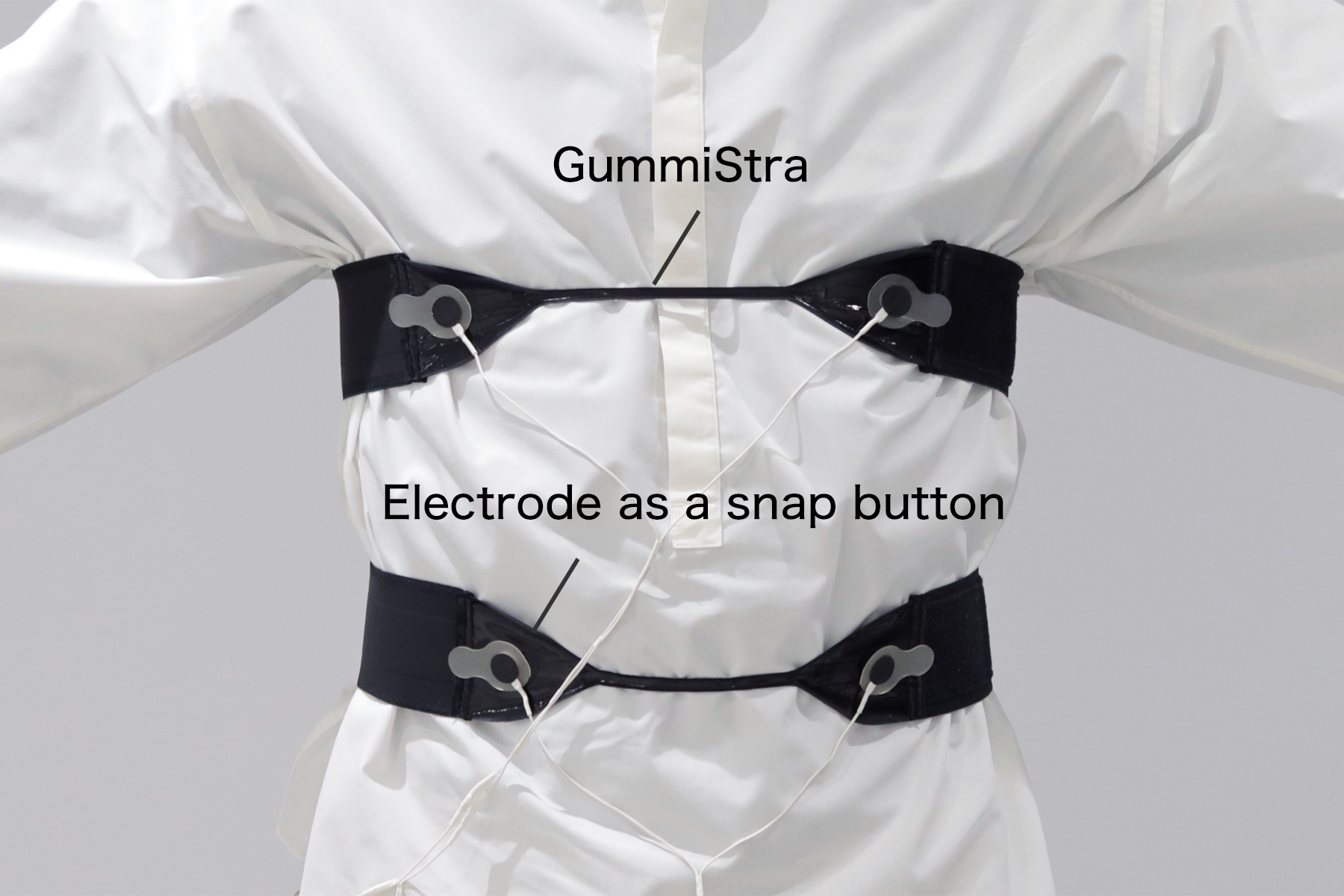
As mentioned above, to attach the sensor to the human body and accurately measure breathing, it is necessary to design a strap that can endure long-term measurement and technology that minimizes the load while the sensor is worn. Furthermore, since breathing during musical instrument performance is even deeper than normal daily breathing, it was necessary to achieve measurements with a reduced load on the subject.
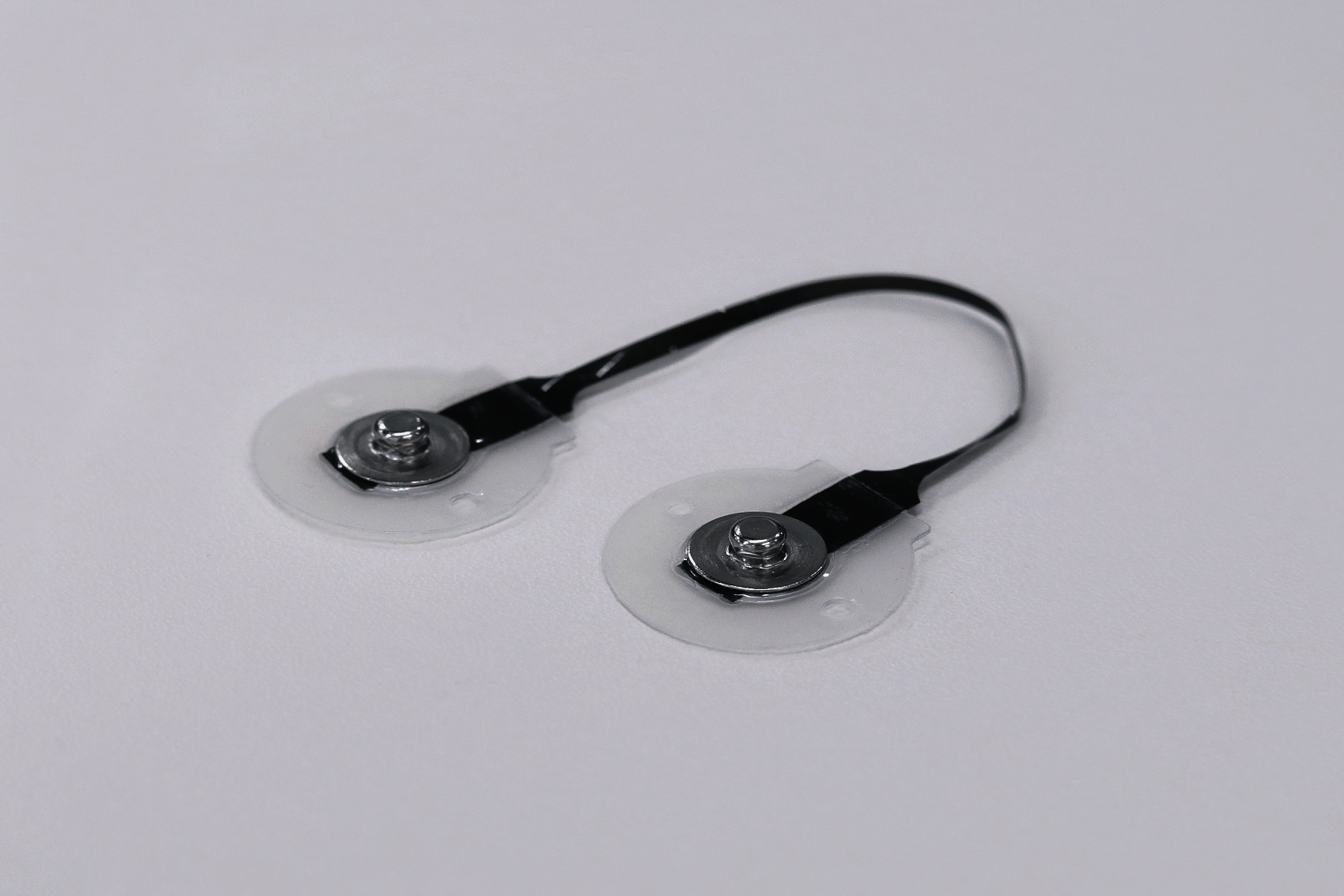
Therefore, through collaboration with Daiya Industry Co., Ltd., a medical equipment manufacturer in Okayama, we have designed a strap with an ideal structure that minimizes the impact on the performer as much as possible. Furthermore, through collaboration with PROKIDAI Co., Ltd., a manufacturer of heart rate sensor pads in Kyoto, we were able to develop a measurement system that uses snap-button electrodes, enabling stable sensing as well as easy attachment and removal.

Revealing the Facts of Breathing that Previously Could Not Be Seen
Future plans for this research include gaining a deeper understanding of the relationship between “breathing” and “performance & instruments”. Specifically, it aims to understand the characteristics of breathing when playing instruments such as piano, guitar, and drums, where breathing does not directly affect expression.
In addition to the measurement of breathing, we are also considering analysis that combines motion capture with Yamaha’s strength in measuring the state of the instrument and radiated sound – to gain a more comprehensive understanding of the performance mechanism. For wind instruments in particular, we are pursuing research to elucidate the relationship between breathing movements and actual tone through the use of data from pressure sensors and reed sensors embedded inside wind instruments. By publishing these research findings in the form of presentations at academic conferences and other formats, we aim to clarify our understanding of musical performances together with researchers and performers who share the same goal.
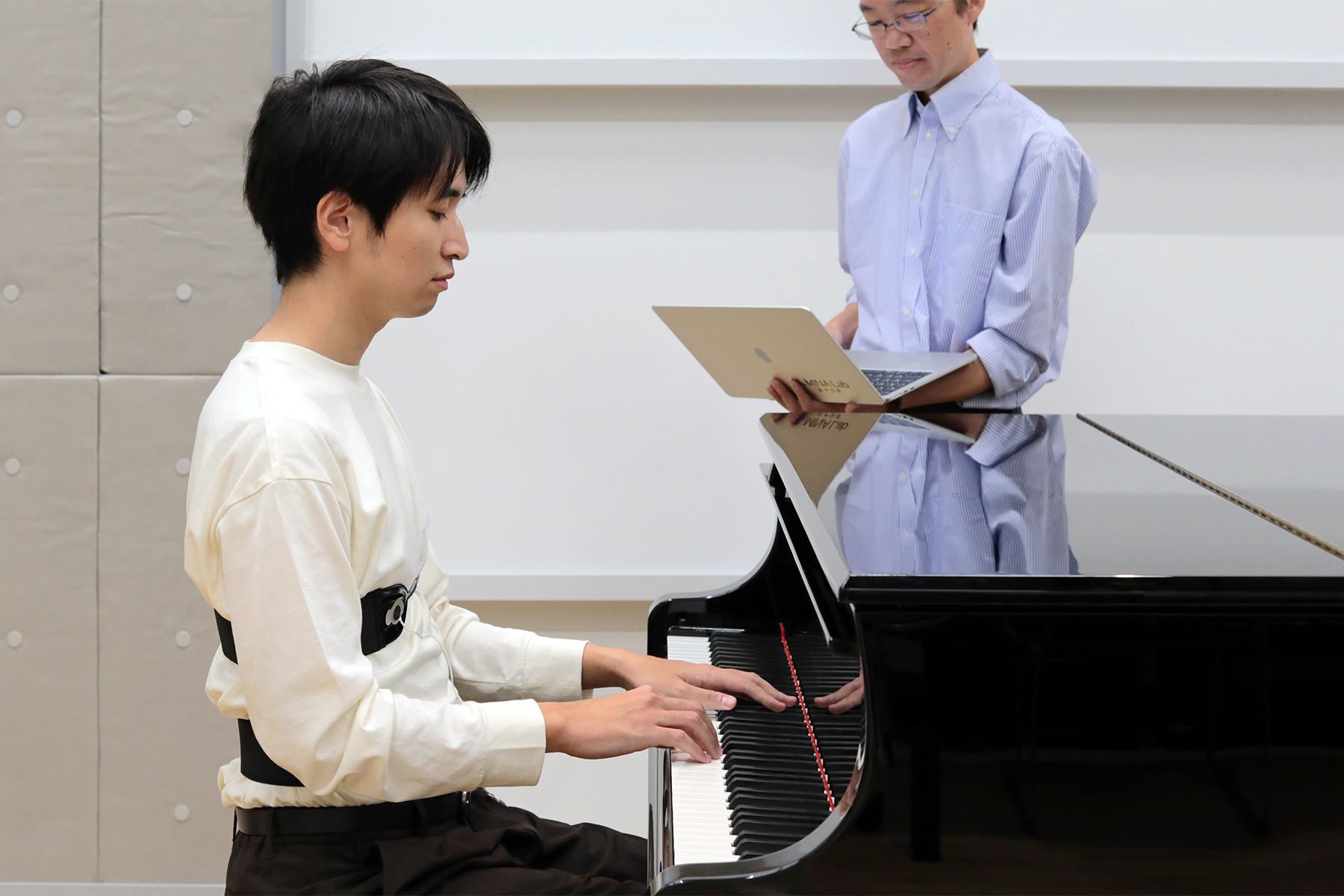
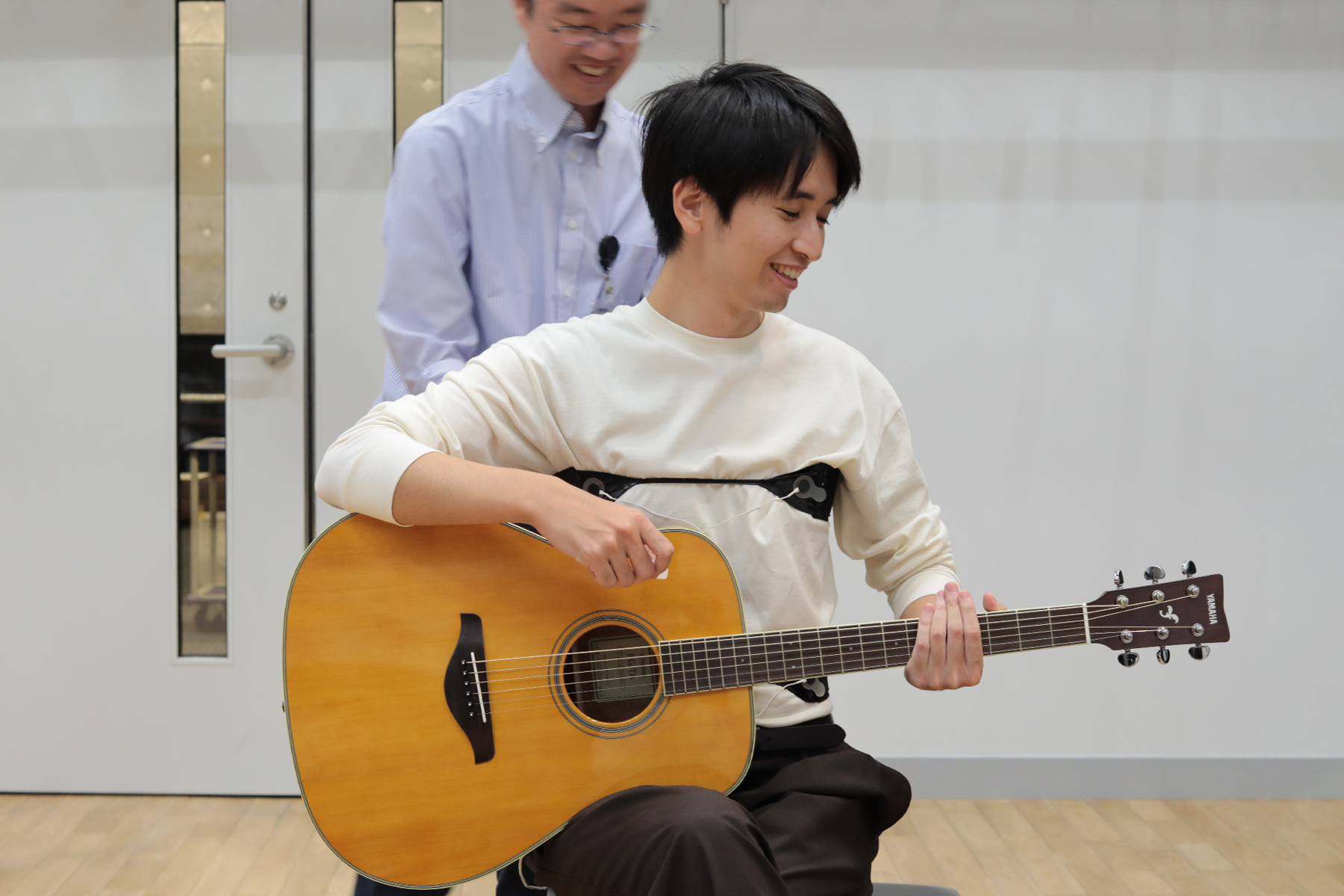
Furthermore, since our technology can minimize the load on measurement collaborators, it has potential applications not only in musical instrument performance but also in traditional cultures such as Japanese archery and the tea ceremony, as well as in wellness fields like Pilates. We also intend to pursue value verification and collaborative efforts in these adjacent fields.
We will continue to pursue new value proposals through the elucidation of breathing movements by combining Yamaha’s breathing measurement technology with the expertise of those involved in musical instrument performance.