
Vision
Former Senior General Managers of Yamaha Design Laboratory discuss Yamaha design.
Manabu Kawada, current Senior General Manager of Yamaha Design Laboratory
In office since 2008
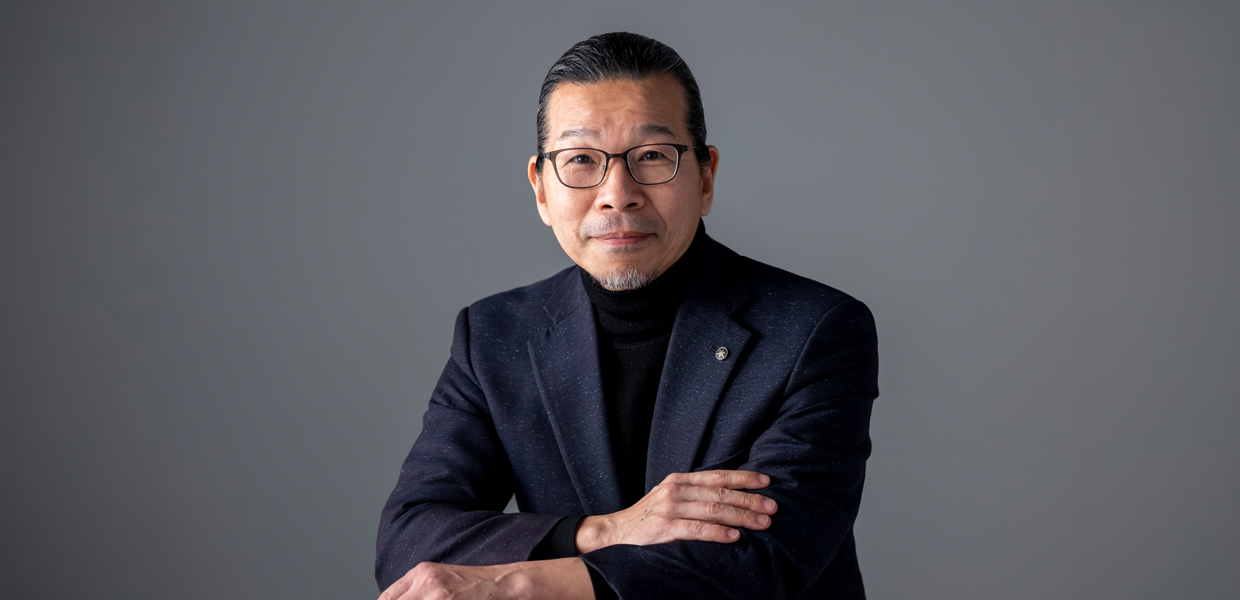
Design that exceeds expectations and evokes emotions
Yamaha Design Laboratory is an elite international team, the only one of Yamaha’s organizations with the title “laboratory.” The name reflects our ongoing exploration of value and meaning and expresses our commitment to the moment something becomes value, and to the innovation of meaning.
Yamaha design shares a deep connection with the company’s vision to “create a future where individuality shines through the power of sound and music.” The mission of Yamaha Design Laboratory is to bring this vision to fruition through products, services, and experiences, creating value that exceeds expectations. We create musical instruments that accommodate players’ sensitivities and audio equipment worthy of the trust of sound engineers, delivering moments of inspiration to all who love music. Sound and music are invisible to the eye, all the more reason for us to dive into details that evoke emotions and constantly question whether we are truly connecting with our customers and creating together with them. To facilitate exchanges of value, designers must also cultivate their own identities.
The philosophy of Yamaha Design Laboratory is to pursue design that captures the essential nature of things; is innovative, aesthetically pleasing, and unobtrusive; and fulfills social responsibilities. Although these keywords may contradict each other, finding solutions amid competing elements is precisely what makes design so worthwhile. Our philosophy poses the questions that help each designer discover their own interpretations and expressions. Asking the same questions together while respecting each other’s individuality is what embodies the essence of Yamaha.
Design is about giving form to ideas, weaving together and properly expressing the different objectives and design concepts of each of the company’s divisions. “Form” extends beyond creating three-dimensional objects; it encompasses software, spaces, stories, concepts, and everything else that can be experienced. The most important thing in design is exhaustive attention to detail. After all, the precision found in the details is what determines whether the message truly gets across. Moreover, design is not a one-way street; it only gains meaning once it is communicated. The never-ending battle for designers is to avoid self-indulgence and instead ensure that their intentions match what people get out of their designs. You could say that design is a form of communication, a way to make meaning, or a way to show compassion. Yamaha Design Laboratory should continue to be an organization that not only focuses on design, but also continues to explore the purposes design should serve.
The Yamaha Design Philosophy
established in 1987
INTEGRITY
Design that respects the essence of the object
Design that respects the essence of the object
INNOVATIVE
Creative design
Creative design
AESTHETIC
Beautiful design
Beautiful design
UNOBTRUSIVE
Restrained design
Restrained design
SOCIAL RESPONSIBILITY
Design that meets the needs of today's society
Design that meets the needs of today's society
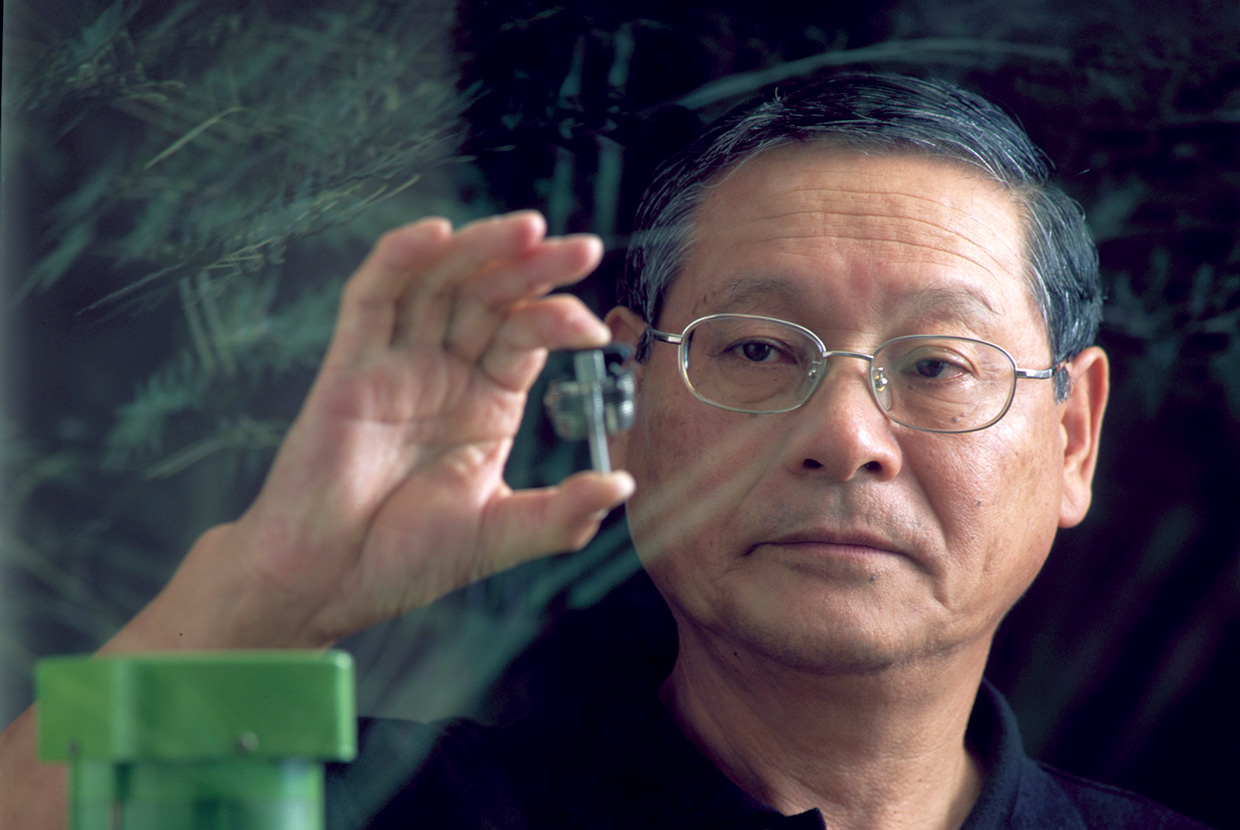
Hirotaka Takanashi, former Senior General Manager of Yamaha Design Laboratory
In office 1969 – 1996
Design that expresses unique Yamaha qualities
Yamaha Corporation established a design department in 1963. At the time in Japan, the term “design” was still strongly associated with imported goods, and not many Japanese companies had their own design capabilities. We had always outsourced design work, but gradually began handling it in-house because we believed we needed to establish our own style of design that embodied the essence of Yamaha. We all sharpened our skills through numerous experiences, including competing with the foremost designers in Japan and the rest of the world, and visiting top artists on many occasions for their invaluable advice while designing Yamaha’s first electric guitar. Design is subjective; the sensitivities of each and every designer must be respected. However, we also believed that products released under the Yamaha brand needed a clear, shared identity, so in 1987, we established the design philosophy that lives on in all Yamaha products today.

Yasuhiro Kira, former Senior General Manager of Yamaha Design Laboratory
In office 1996 – 2008
Creating new instruments while respecting history
Musical instruments continue to evolve as music changes. The advent of digital tone generators in the 1980s dramatically expanded our freedom with the structural design of musical instruments. Facing endless possibilities, we held fast to our commitment to creating new instruments for the next generation while respecting the long history of musical instruments and music. Musical instruments are more than objects; they are tools that exist to have relationships with people. For example, digital technology allows the WX7 wind MIDI controller to have a minimal physical presence, putting the focus more on the player than ever before. Yamaha’s design philosophy is manufacturing centered on people rather than the products, and it remains the same no matter how the times change.