Shaping the Future of Wood, People,
and Music Through the Choices
We Make Today

EVERY NOTE
HAS A ROOT
First, Looking Beyond
the Instruments in Front of Us
Every note we play on our instruments carries the story of forests around the world and the people who nurture them. Forests cover roughly 30% of the Earth’s land area, yet they are still said to be declining.
Wood used to make musical instruments must meet strict standards for acoustics and appearance. Only the finest sections, free of knots or cracks and with beautiful grain, are selected. The wood that Yamaha uses is carefully chosen from many species found around the world. As a result, some parts of the wood inevitably remain unused or do not meet the quality standards required for instruments.
Yet these materials all come from the same tree, and are valuable resources.
That is why Yamaha does more than simply say, “Let’s protect forests.” We begin by looking closely at the process—where the trees grow, how they are harvested, which parts are used, and which remain unused.
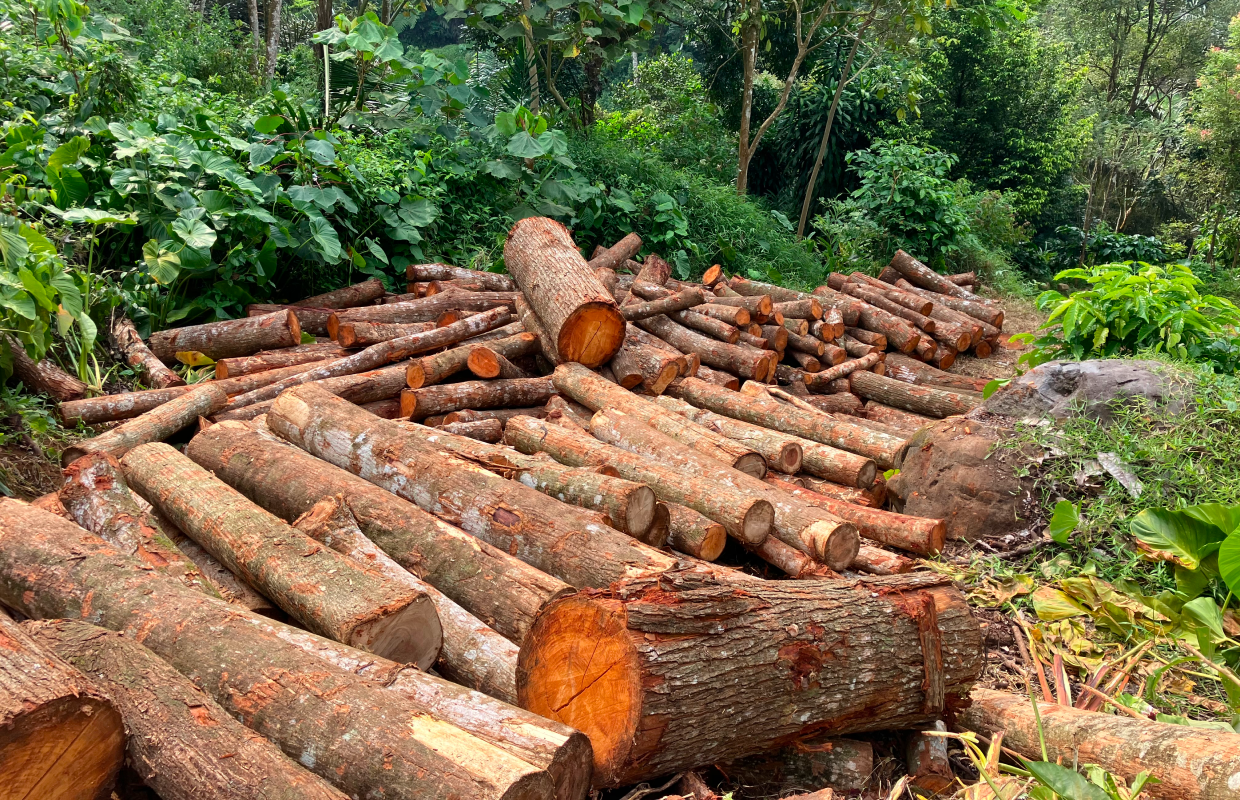
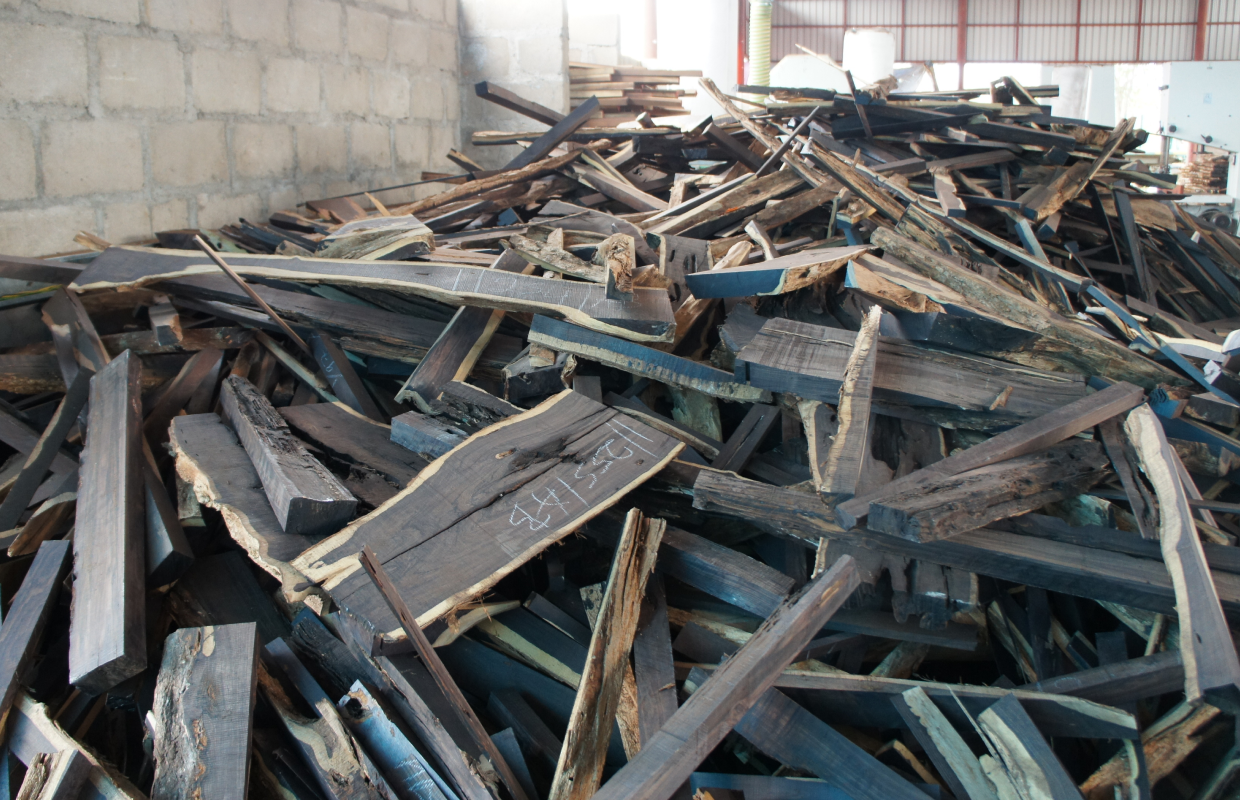
Every tree embodies years of growth and the lives and cultures of those connected to it.
How can we honor that by using these resources responsibly while passing on the joy of music?
We see reflecting on this question as our first step.
MUSIC FOR GENERATIONS
Next, Envisioning a Future Where Music
and Life Endure Together
The future we envision is one where nature and music thrive together—one in which forests grow in abundance, their resources are used with care, and the culture of music is passed on to the next generation.
Looking ahead, Yamaha aims to ensure that the wood used in our instruments is sourced with sustainability in mind. For rare species, we believe it is not enough simply to use them. We must also help cultivate them, and by supporting forest conservation in the countries where these trees originate, we hope to protect these resources while allowing musical culture to continue.
The “abundance” we seek goes beyond preserving green forests. It also means communities in sourcing regions continue to grow and thrive, craftsmanship in instrument-making is passed down, and people, both performers and listeners, find fulfillment through music. Yamaha believes that each of these steps helps nurture the forests of the next generation and inspire new possibilities for music.
Of course, the path forward is not simple. There are many challenges to address, including resource limitations, climate change, and the economic and educational conditions of sourcing regions.
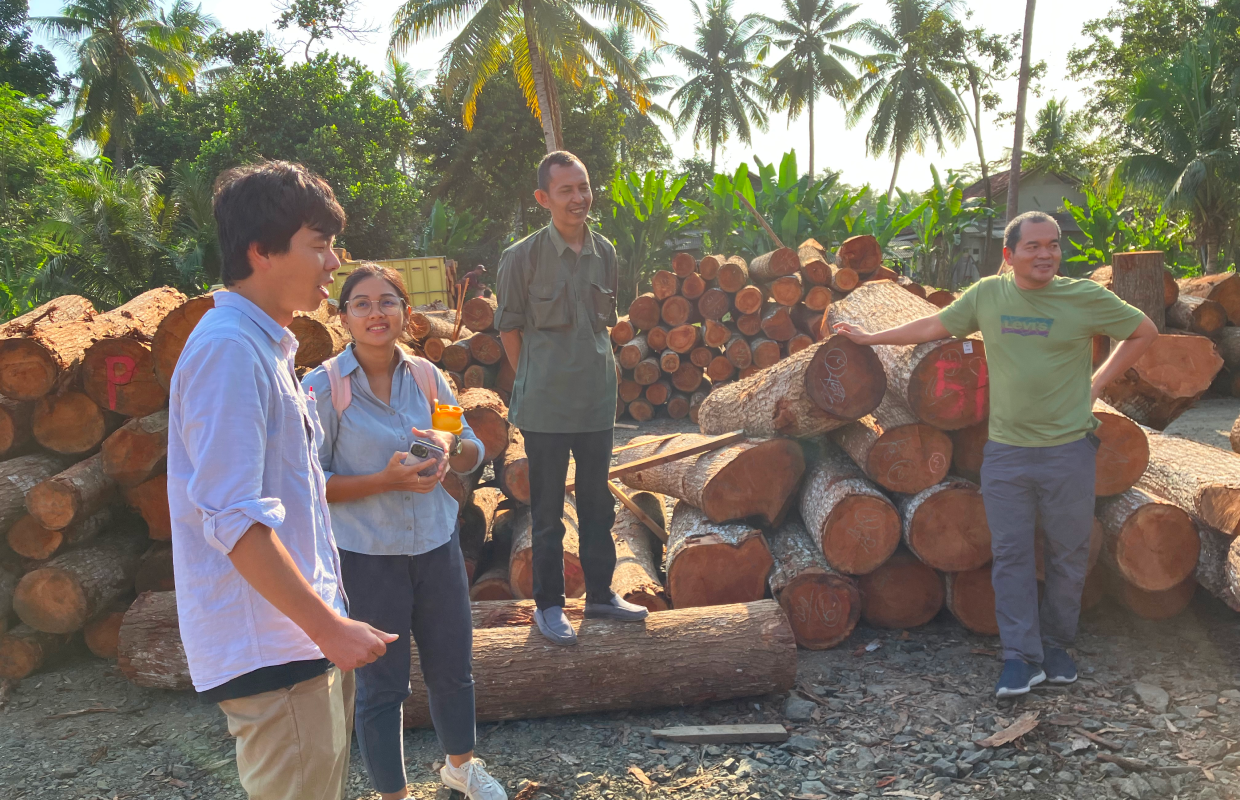

Even so, we believe the gifts we receive from nature should not be used only once. They should be passed on to those who come after us. With this perspective in mind, Yamaha will continue moving step by step toward a future where nature, people’s lives, instruments, and musical culture can endure together.
ONE NOTE
AT A TIME
Next, Nurturing the Future Through Everyday Action
The future will not change through hope alone. That is why Yamaha continues building the future of music through steady, everyday actions. Some of our current initiatives include the following.
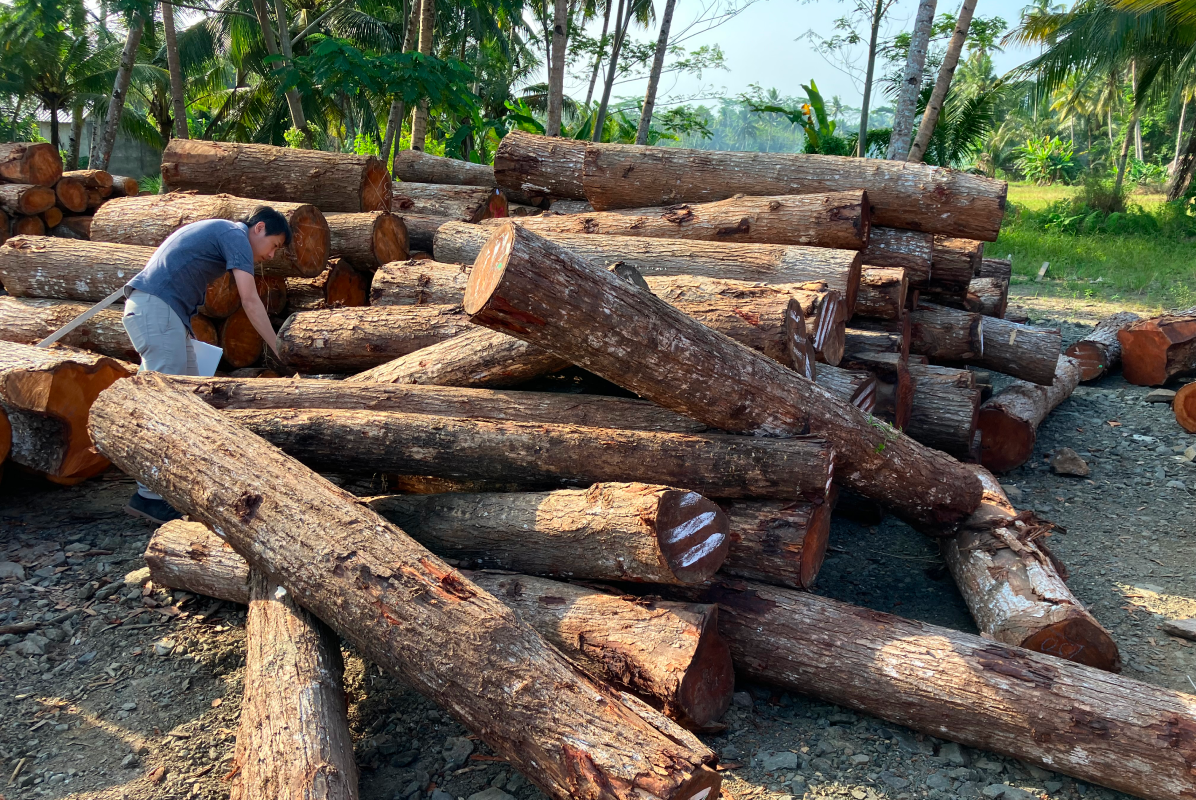
Where does this wood come from?
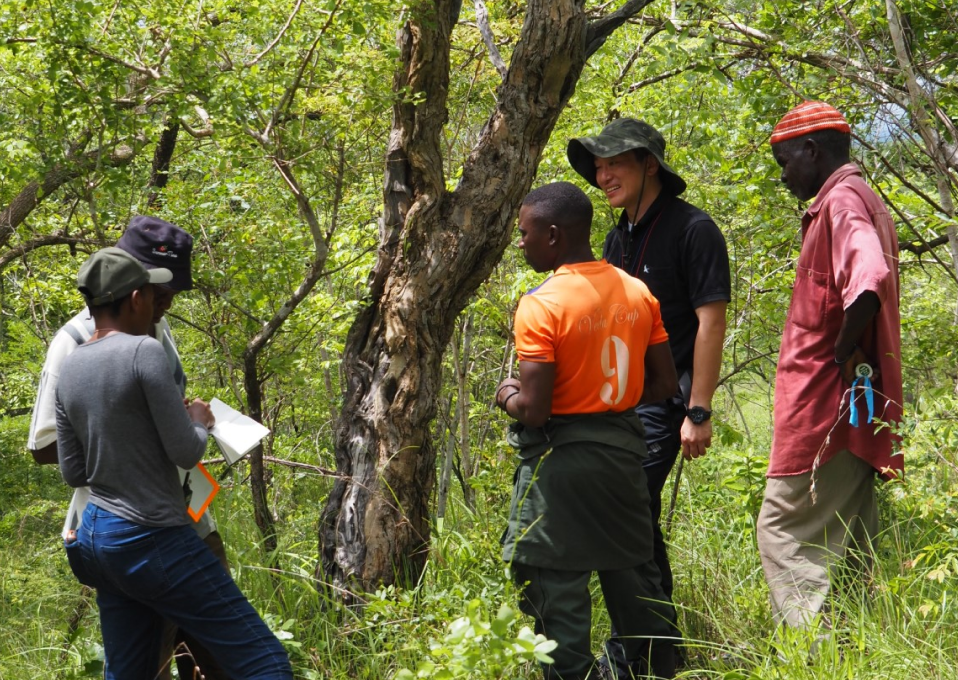
Where did the materials used in our instruments grow, and how were they harvested? To answer these questions, the Yamaha Group has established a system called “timber due diligence” to confirm the origin of the wood we use. In 2023, we also began working with the international environmental organization, Preferred by Nature, to establish new standards unique to Yamaha. Through on-site investigations conducted together with our suppliers, we are gradually increasing the procurement of materials that meet these standards.
Creating great acoustics with fewer resources
To reduce dependence on limited natural resources, Yamaha is also taking on the challenge of developing new materials and processing technologies. One example is our proprietary Acoustic Resonance Enhancement (A.R.E.) technology. This method recreates changes similar to the natural aging of wood in a shorter period of time, improving the resonance of instruments. The process does not use any chemicals, making it an environmentally friendly way to bring out rich sound.
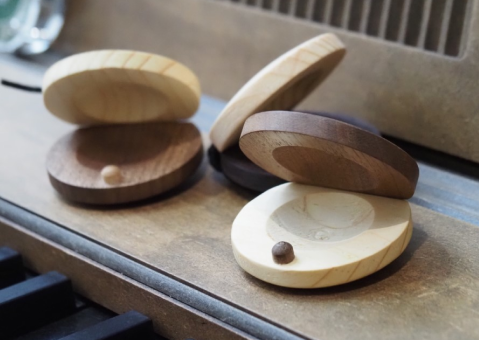
We are also developing wood flow-molding technology, which processes unutilized wood materials generated during instrument manufacturing. Through a special treatment, the material gains fluidity and becomes easier to shape while retaining characteristics such as acoustic qualities and texture. By reconsidering parts of the wood that were previously unused, we are exploring how high-quality instruments can be created with limited resources.
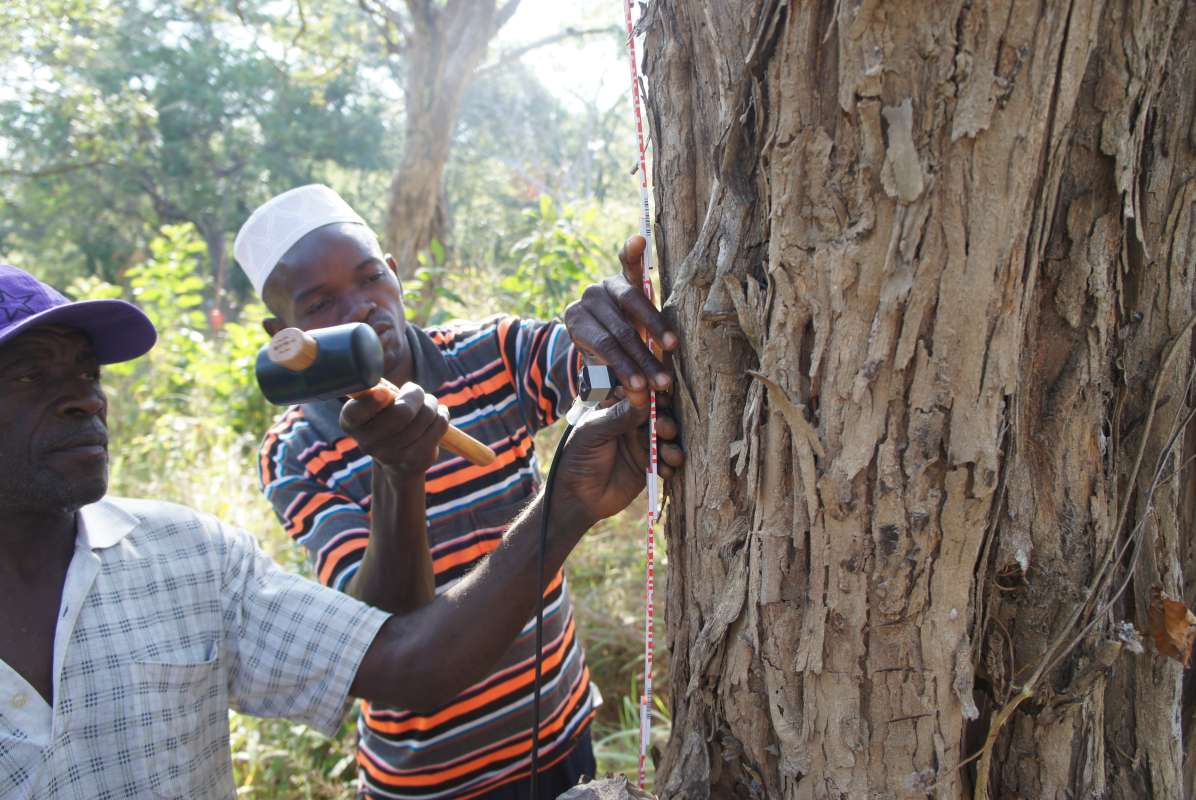
Sourcing regions are partners in sustaining resources
Rare materials deserve more than being used and discarded. Through the Otonomori Project, Yamaha supports tree planting and forest management both in Japan and overseas, focusing on species such as African Blackwood, Sakhalin Spruce, and Indian Rosewood. Alongside efforts to restore resources, we are also researching technologies that allow materials to be used more efficiently and with less waste.
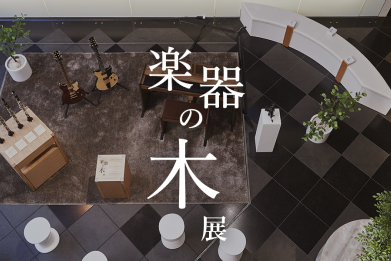
As part of the Otonomori Project, we also conduct “Mokuiku” activities to encourage people to think about the relationship between people, trees, and forests. Through programs such as the Musical Instrument Wood Exhibition, we provide opportunities for people to engage with the materials used in instruments and learn about the regions and work behind them.
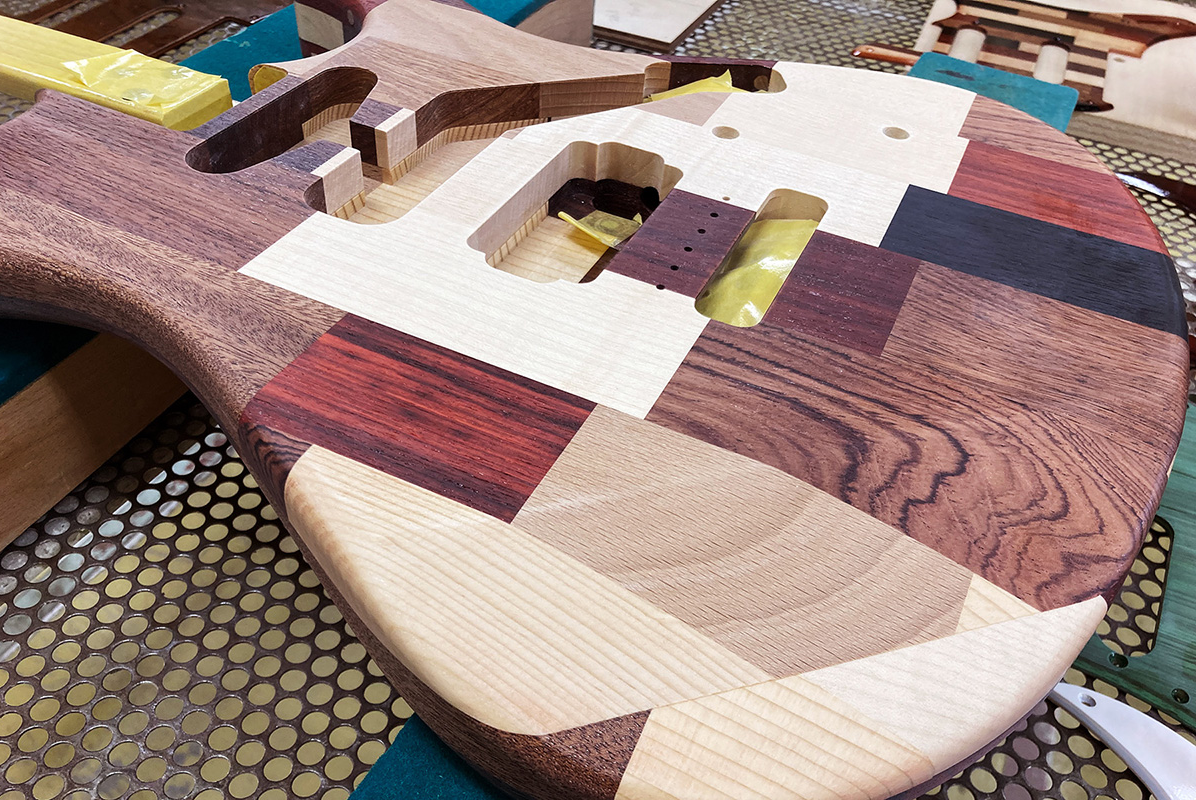
Another possibility for materials that once went unused
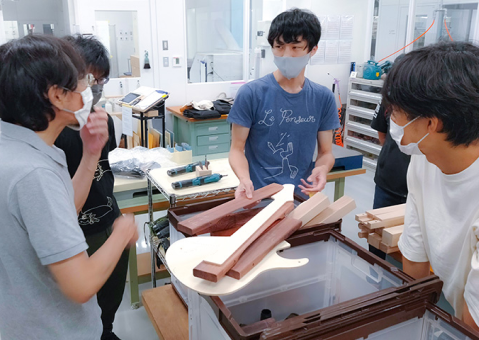
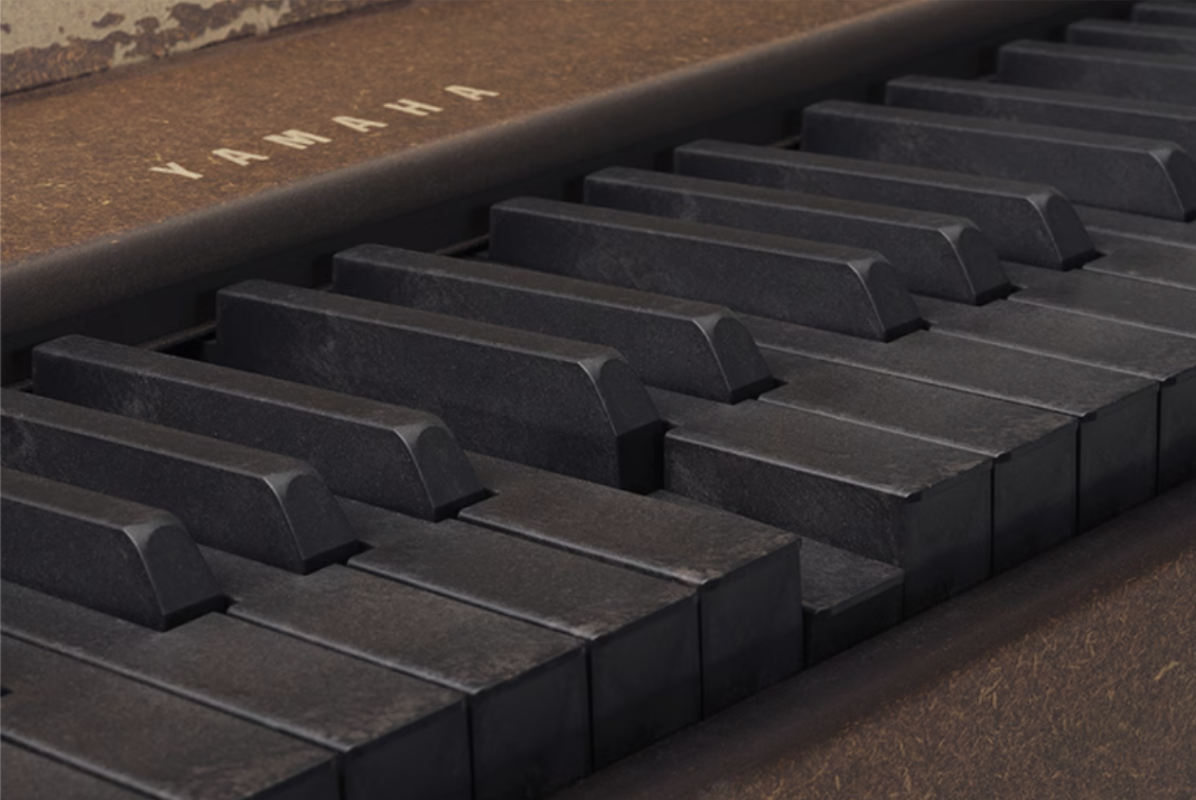
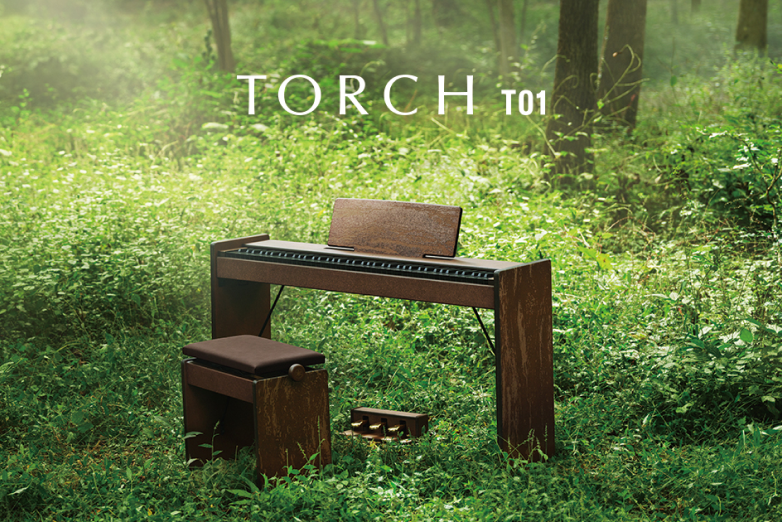
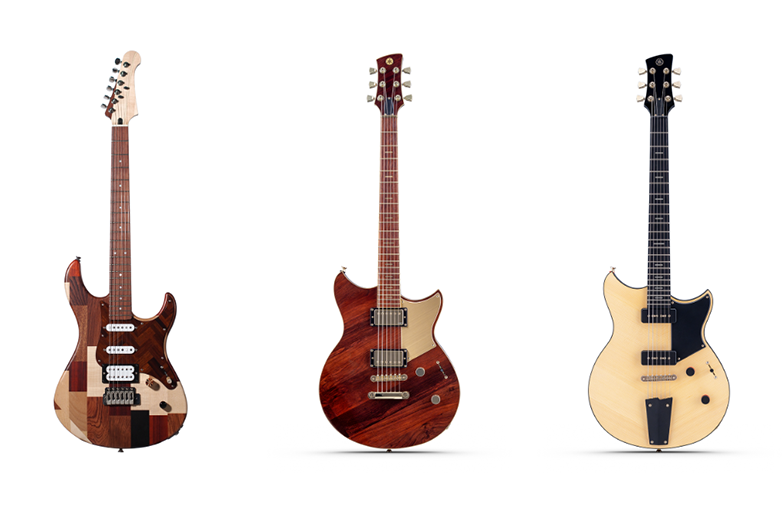
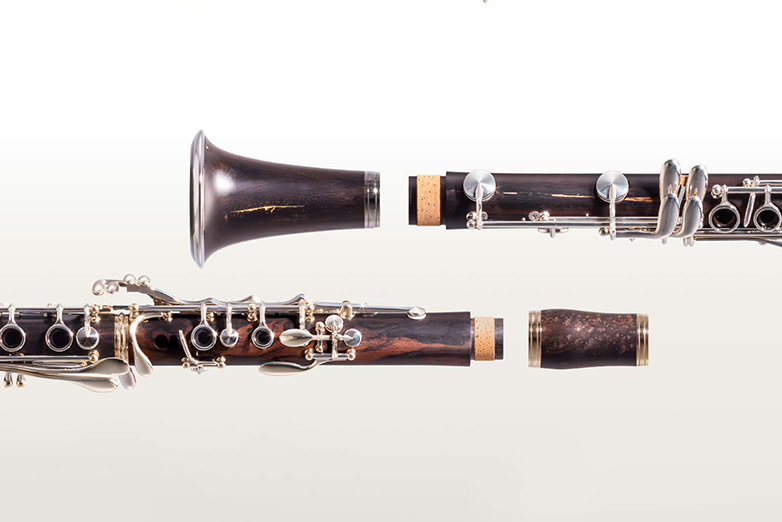
Because manufacturing instruments requires strict standards for acoustics and appearance, some parts of the raw materials inevitably go unused. Yamaha is taking another look at these unutilized materials and taking on the challenge of giving them new value. Examples include digital pianos and clarinets made with unutilized materials, as well as guitars created with an upcycling approach. These efforts aim to breathe new life into materials that might otherwise have been overlooked.
Projects
Through a variety of initiatives,
we are advancing concrete efforts to safeguard the future of musical culture.
TAKE THE STAGE
Finally, Joining Hands
to Carry Music Into the Future
The future of instrument craftsmanship cannot be nurtured by any one person alone. Experts who understand forests, suppliers who deliver the wood, international organizations that support responsible sourcing, artisans who create sound in our factories, and engineers who drive research and development—through the passion of many diverse people, a single instrument comes to life.




One day, an instrument may find its way into your hands.
We hope that instrument will be connected to the efforts described here.
Yamaha will continue to move forward, step by step, without pause.