
Recruitment
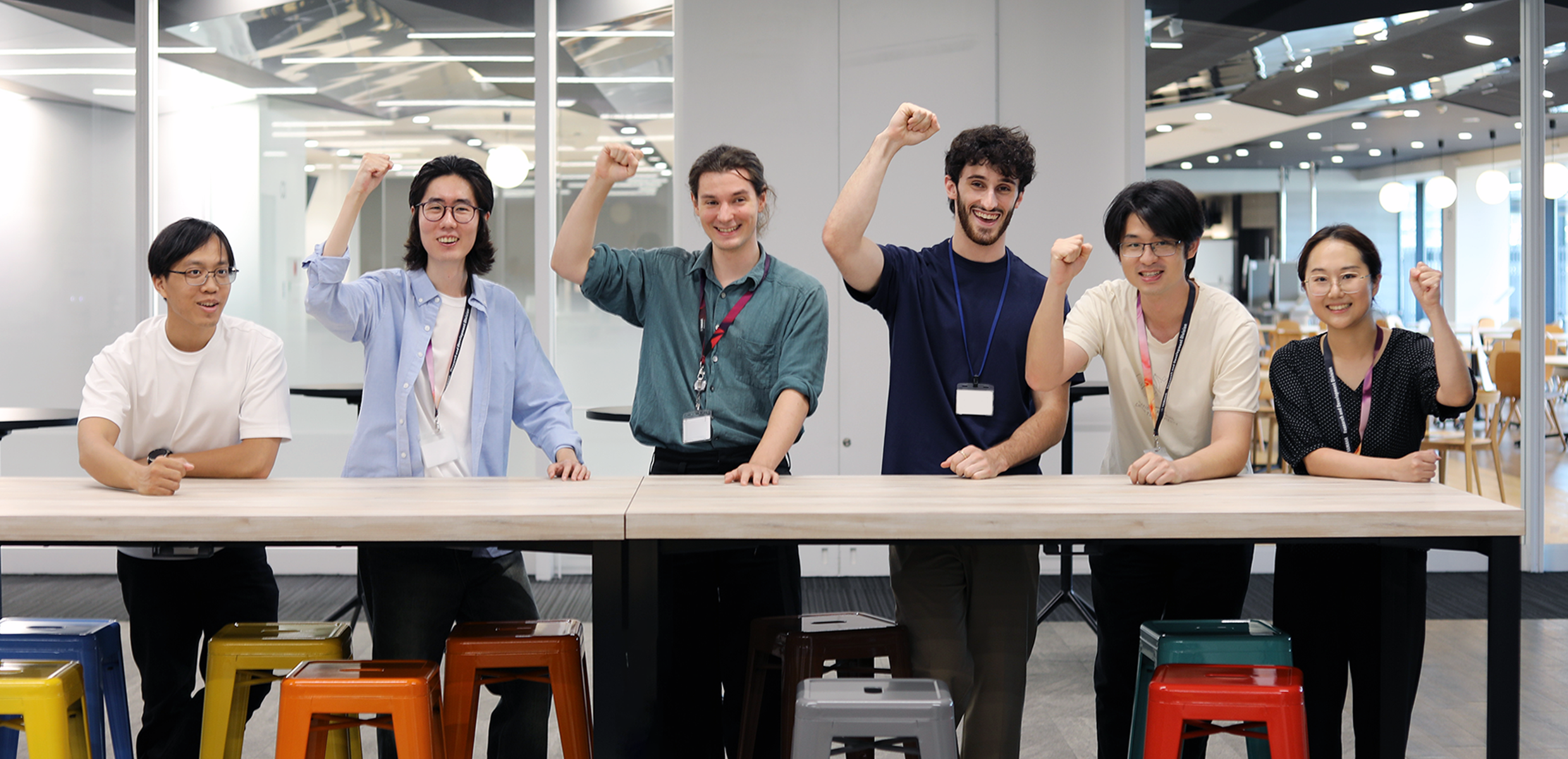
Yamaha Corporation is seeking talented and motivated R&D engineers from around the world for its internship program.
Interns will be based at Yamaha’s Innovation Center, working closely with researchers and engineers as members of project teams. The program runs for approximately 12 weeks, with travel and accommodation expenses fully covered.This is a unique opportunity to gain hands-on experience and contribute to cutting-edge innovation at Yamaha.
Global Internship
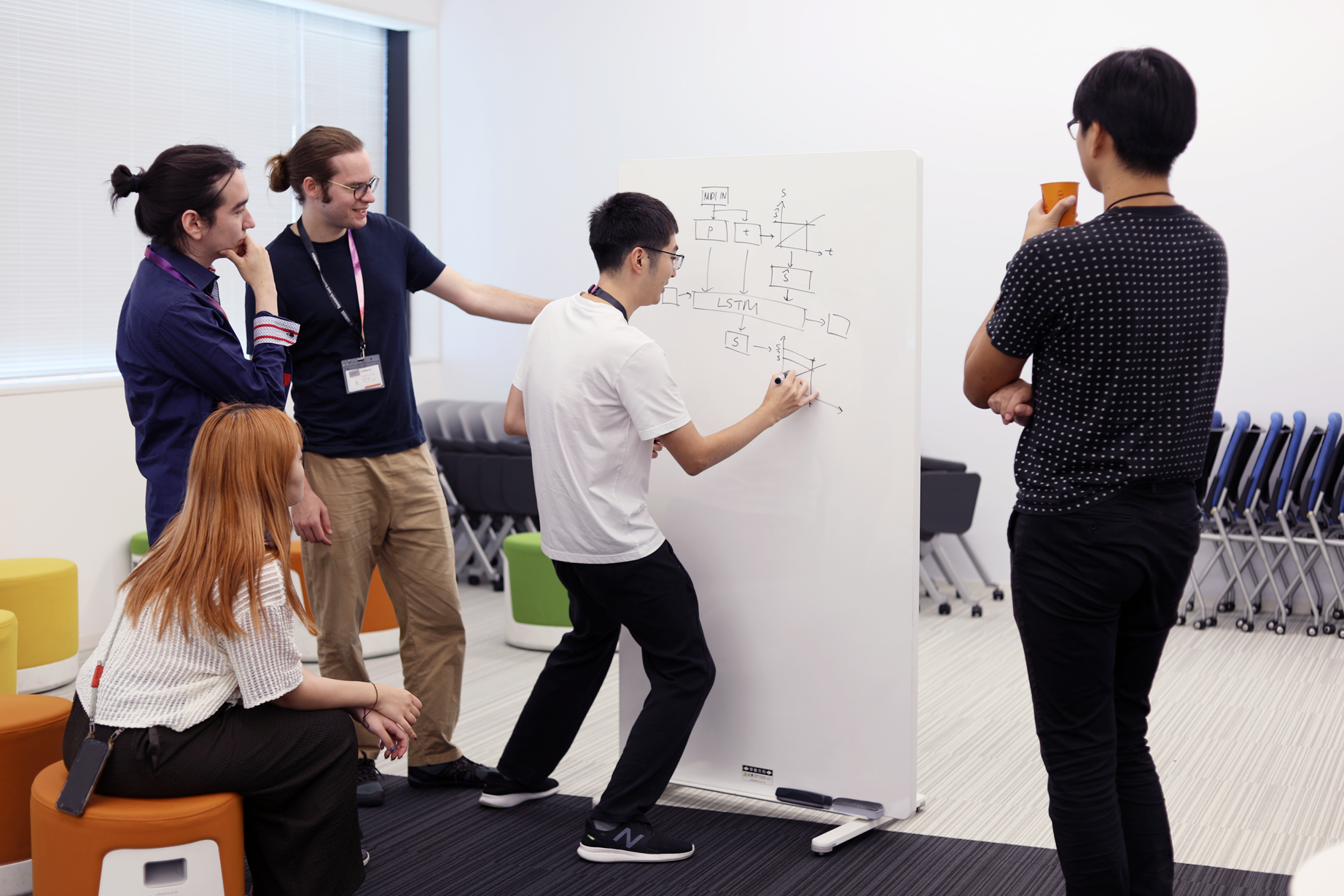
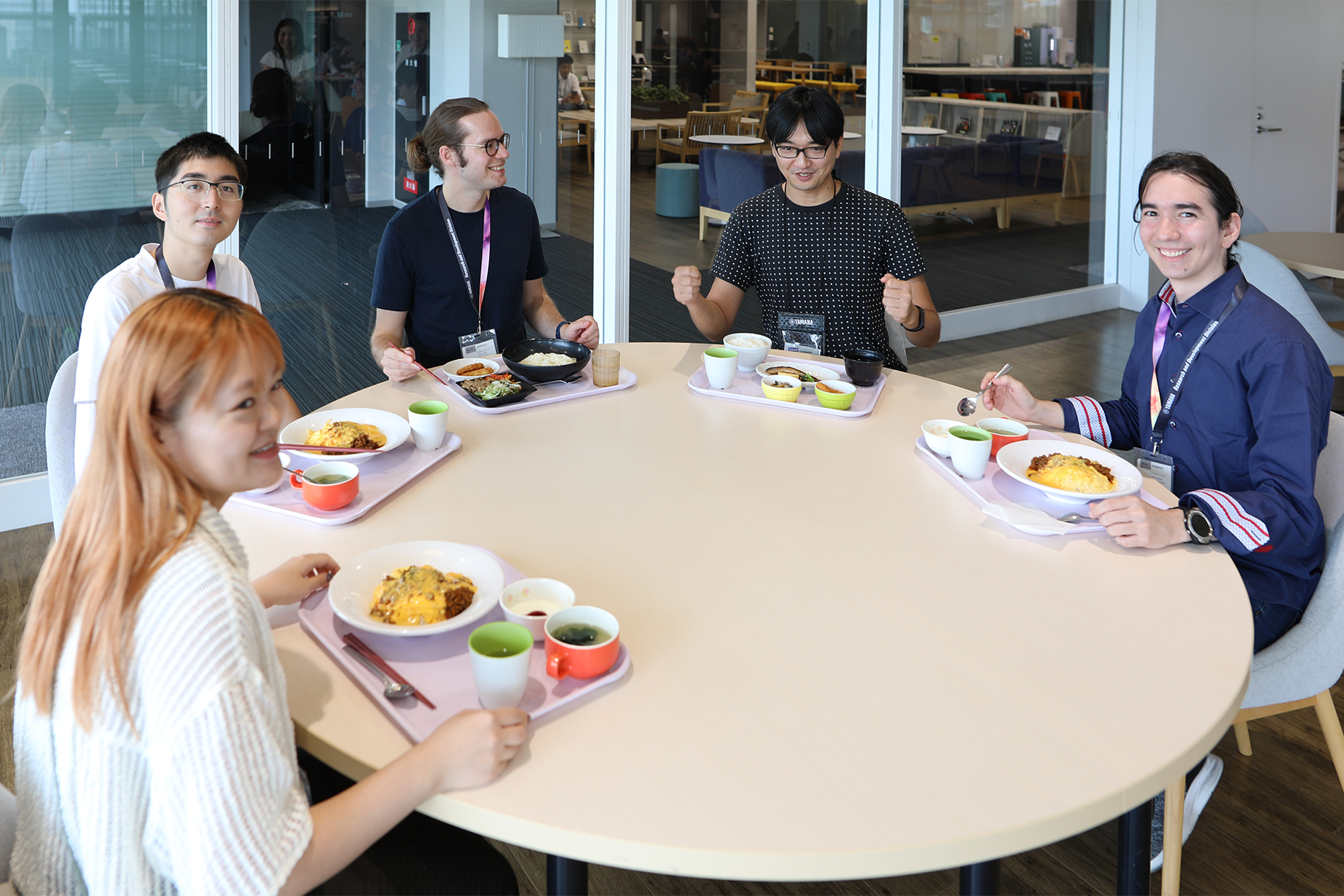
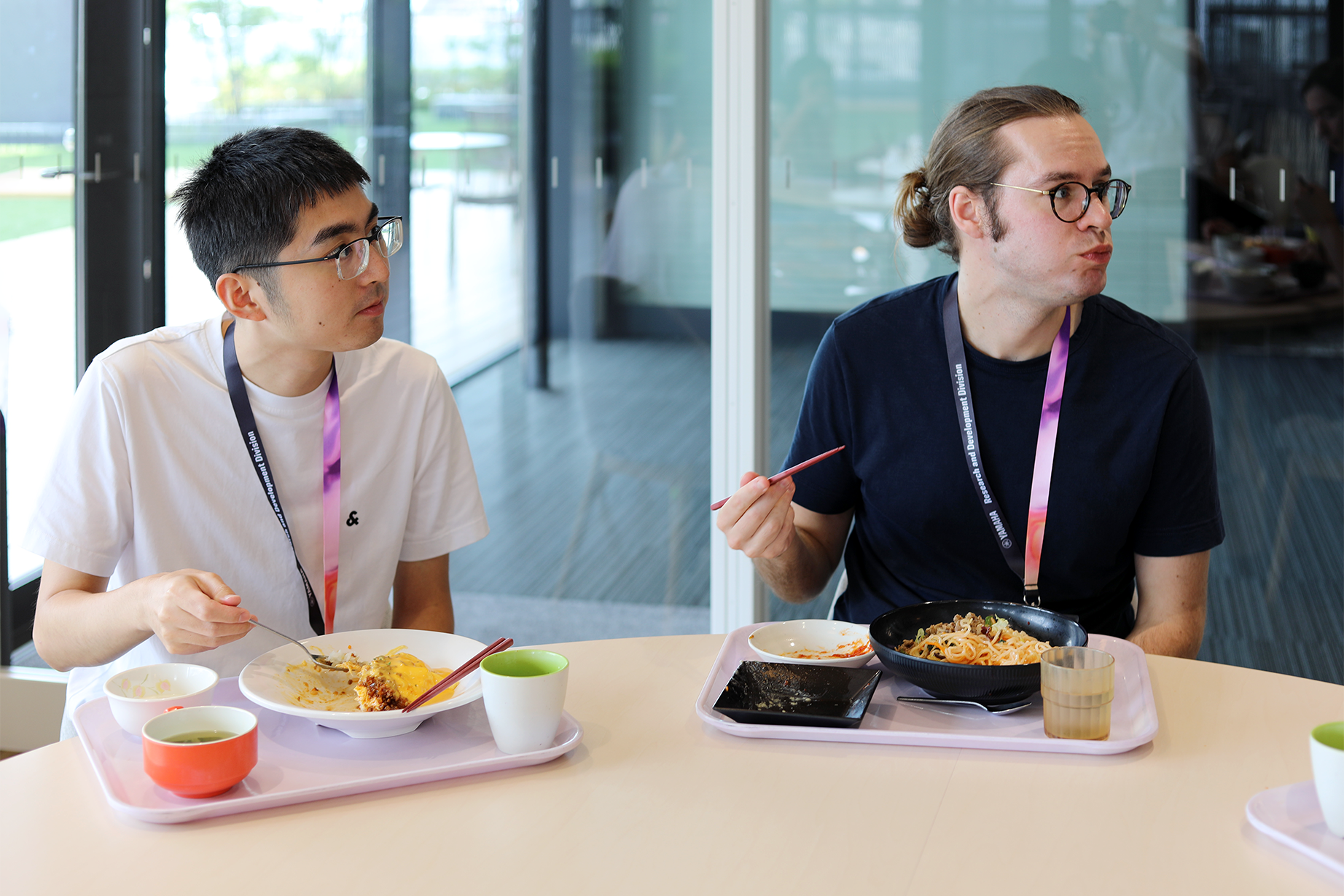
Research & Development Division
The Summer 2026 internship application period is closed. If you have already submitted your application, you will be notified by the end of December 2025.
Outline (2026 Season)
| Term | Approximately three months, Summer to Autumn 2026 |
|---|---|
| Division | Research & Development Division |
| Location | Hamamatsu/Yokohama, Japan |
| Application | Details will be provided when the application form opens on 29 September 2025. |
| Requirement | Doctoral or master's students in engineering, computer science, mathematics, or related fields. |
| Condition | Paid internship |
| Benefits | Interns will receive a stipend. We also provide: ・ Visa application support ・ Transportation cost assistance ・ Furnished accommodation |
| Process | Application submission followed by an online interview |
| Due date | 21 November, 2025 (The application form will close at 5:00 PM JST on 21 November 2025) |

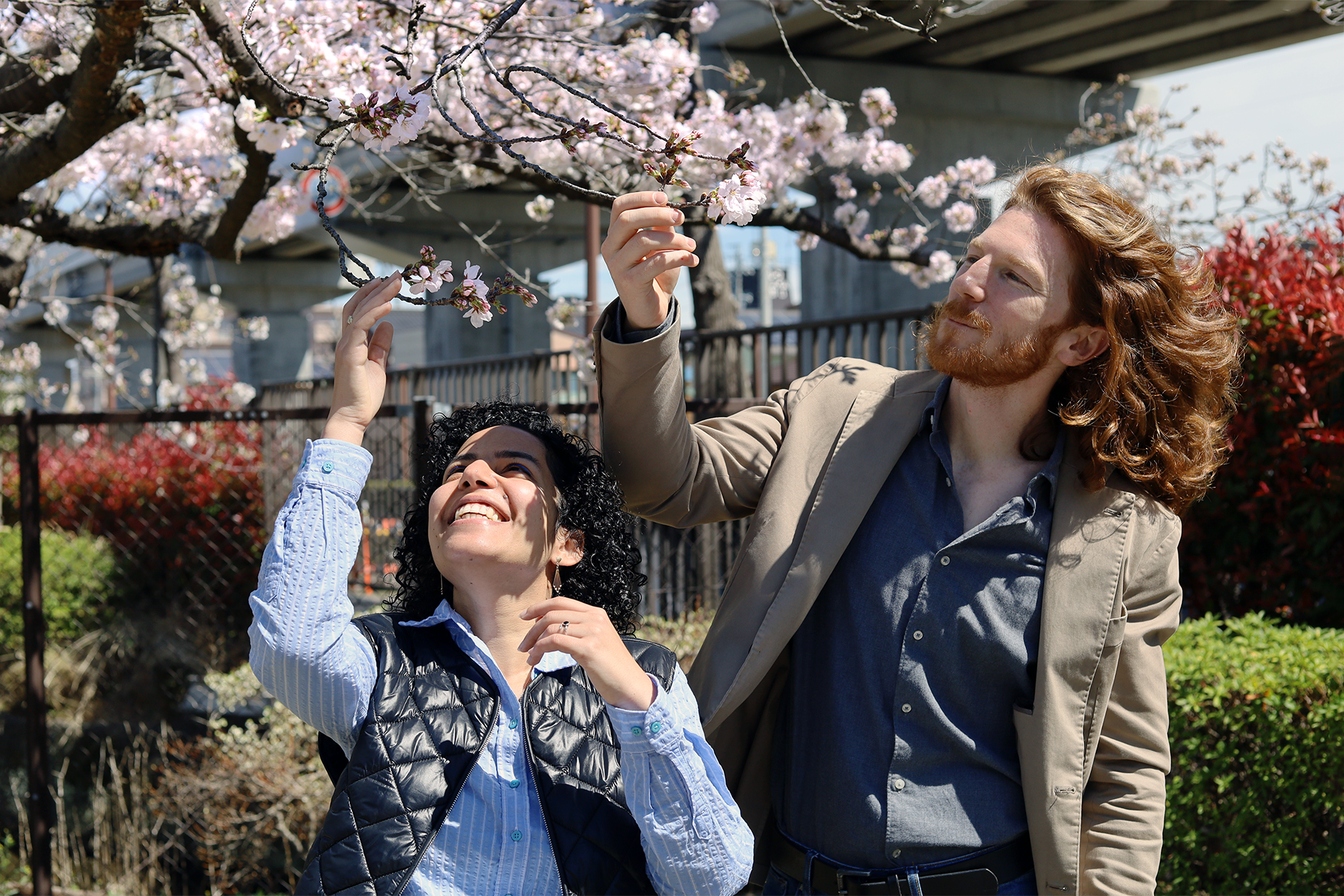
Application of Machine Learning Technique to the Simulation of Wind Instruments
Required:
- Experience in programming (Python, C/C++, Matlab)
- Expertise in machine learning
Welcomed:
- Experience in numerical simulation (especially physics Informed neural networks)
- Experience in playing wind instruments
Related Technology:
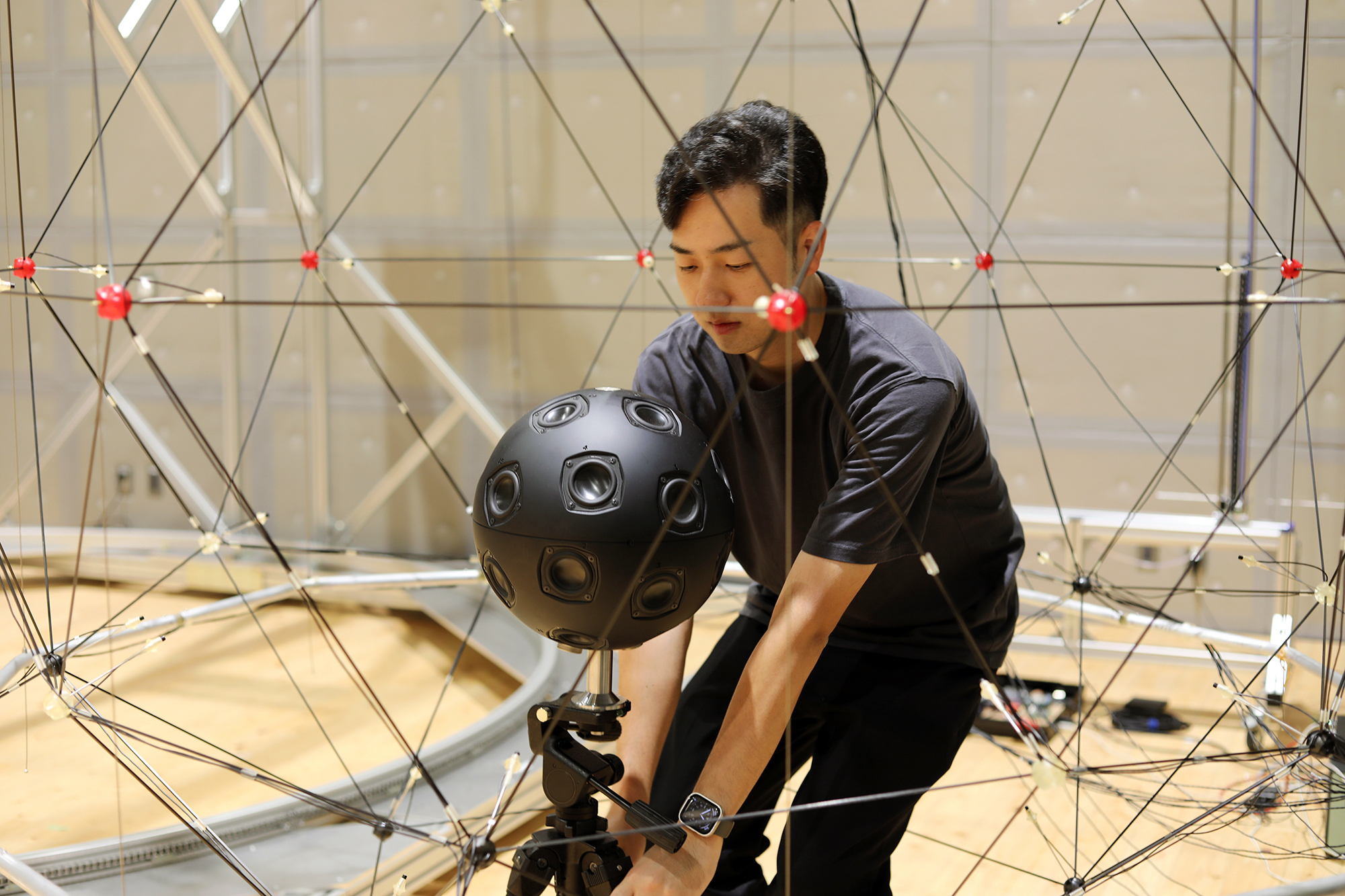
Relationship between the Directivity of Sound Sources and the Spatial Impression of Musical Instruments
Required:
- Expertise in array signal processing, spatial acoustics, programming (Python)
Welcomed:
- Knowledge of psychophysics including experiment design and statistical analysis
- Knowledge of physics constrained sound field modeling

Development of Low-Latency and Online MIR Methods for Music Understanding
Required:
- Solid expertise in deep learning for music understanding, or for online inference, using frameworks like Pytorch
Welcomed:
- Experience in creating real-time applications using deep learning
- Experience in creating real-time audio applications
- Experience in reducing latency or computation burden of a large deep neural network
Related Technology:
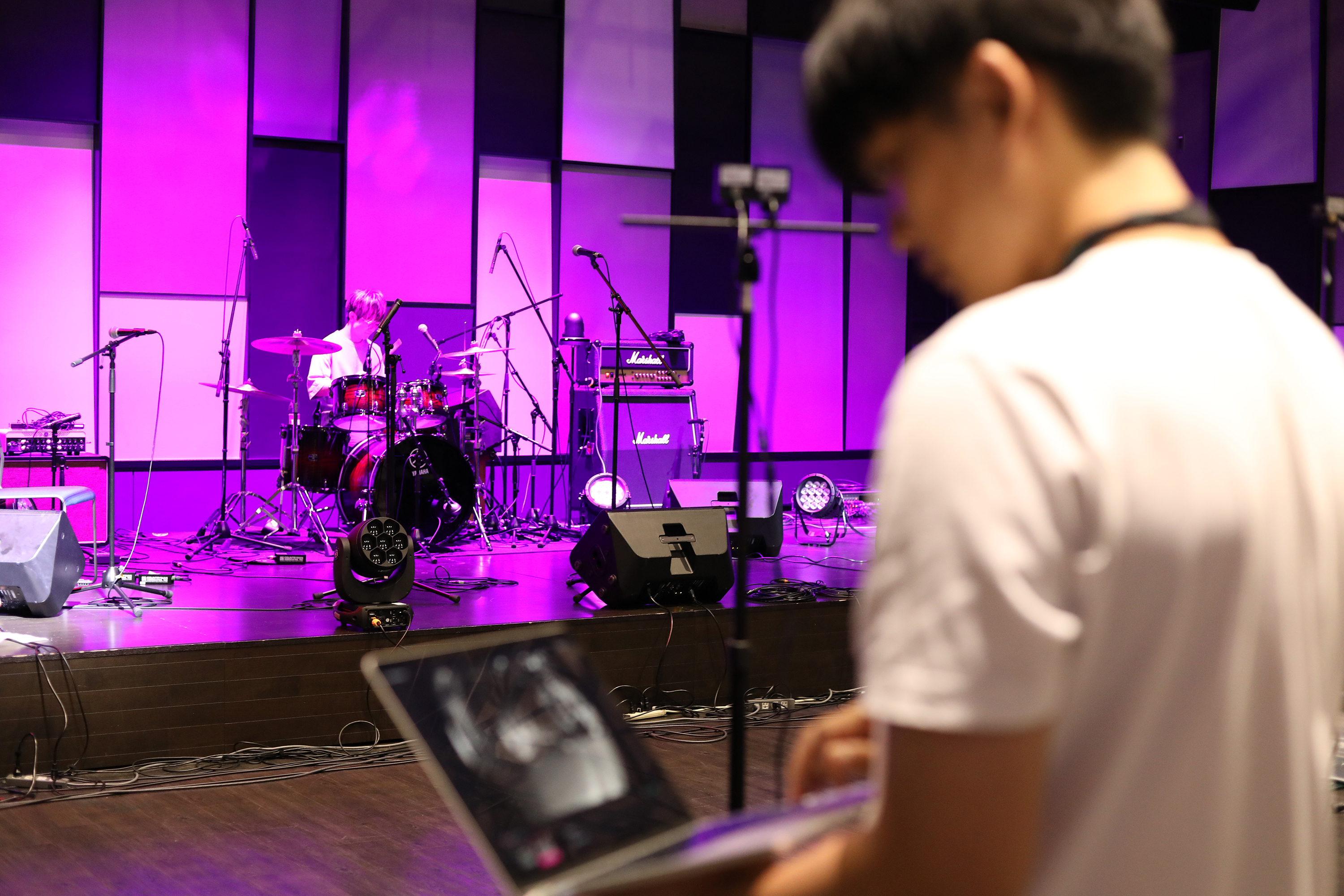
Using Video Data to Analyze Live Music
Required:
- Proficiency in programming (Python, C++)
- Expertise in video analysis technology
- Knowledge of Large Language Models (LLMs)
Welcomed:
- Knowledge of music information processing
- Experience in music production
- Knowledge of sound engineering
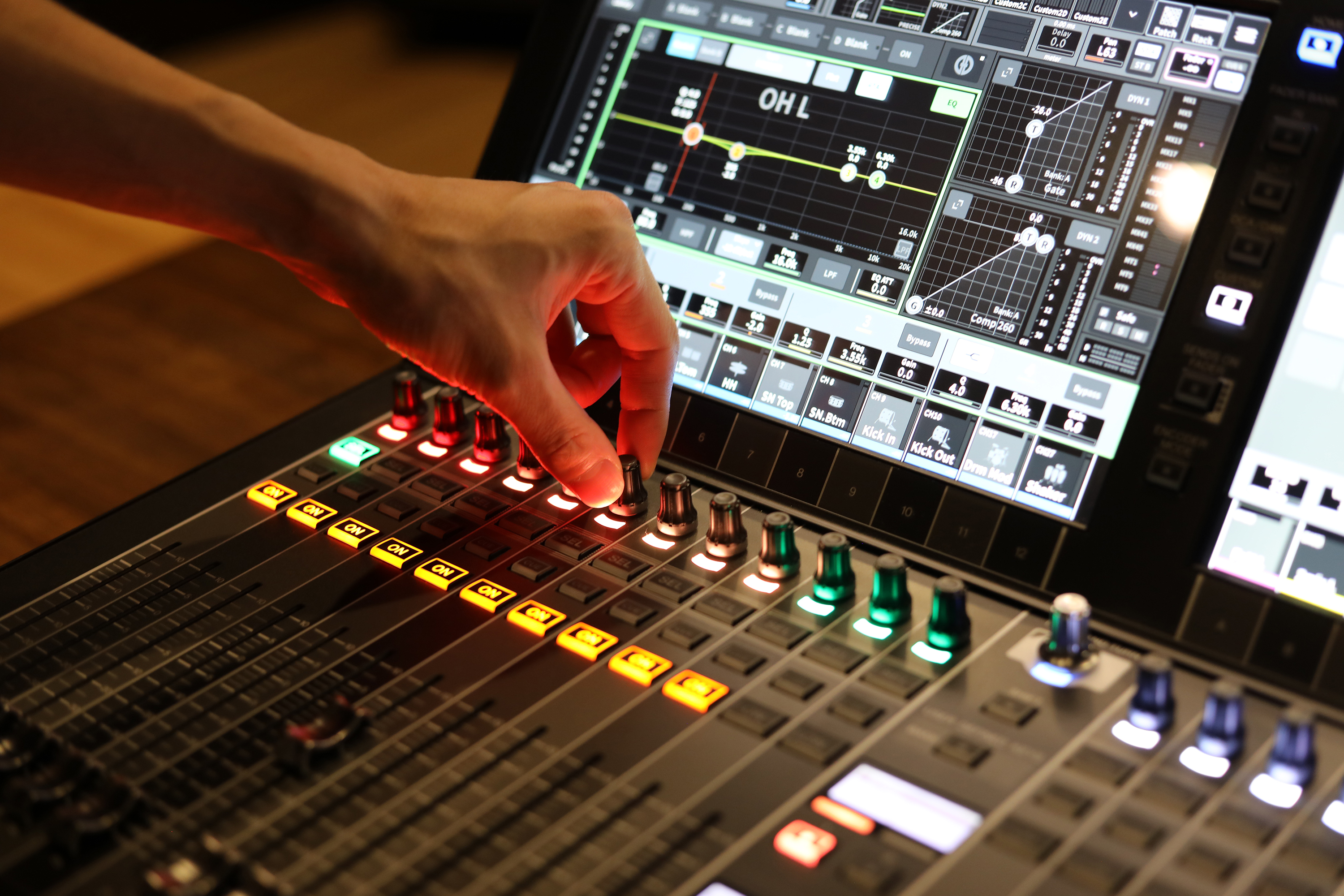
Analyzing Individuality in the Workflows of Mixing Music
Required:
- Expertise in programming (C/C++, Python)
- Expertise in machine learning or statistical analysis
Welcomed:
- Knowledge of mixing process and audio effects
- Expertise in audio signal processing
Product Development Division
Spring & Summer 2026 internship application is closed. All applicants will be notified by the end of December 2025.
Outline
| Term | Approx. 10-12 weeks, January - March, or May - September 2026 |
|---|---|
| Division | Core Tech Development, Digital Musical Instruments Development Department |
| Location | Hamamatsu (only 90 minutes from Tokyo/Osaka), or Yokohama, Japan |
| Application | Please submit a cover sheet which clearly designates your target project, along with your résumé/CV and additional materials to back-up your skills & experiences required by each project. |
| Condition | Paid internship |
| Benefits | Travel and commutation expense, housing with bed, washer, kitchenet & wifi, stipend for meal, Japanese visa assistance and language lessons available |
| Process | Documentary screening followed by online interview |
| Due date | November 28th, 2025 (first-come, first-serve policy) |
Closed
Mixed Reality (MR) App development and content creation
Core Technology Development Department
Process & Objective
Plan, design, and develop an "Mixed Reality (MR)" experience application that combines Yamaha’s binaural spatial audio technology for XR, named "Sound xR Core", with urban and architectural data from areas such as Minato Mirai, Yokohama. As part of the spatial impression and sound expression design, you will develop signal processing modules, such as filters as needed, and integrate them into the MR application.
SKILLS
- Knowledge of acoustics (acoustic theory, architectural acoustics, etc.)
- Knowledge/Experience in C# - Creating digital filters, audio signal processing algorithms, and their programming
- Knowledge/Experience in creating interactive XR (MR/AR/VR) applications using Unity
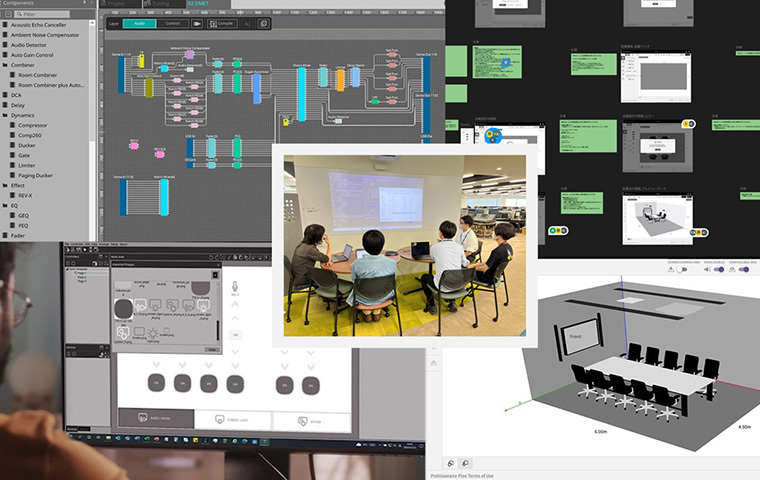
Closed
App/Cloud Service Development for Professional Audio Devices
Core Technology Development Department
Process & Objective
Define requirements for Apps/Cloud Services managing installation PA systems, Validate requirements by UI prototyping, Decompose requirements into new development elements as Apps/Cloud Services, Document possible requirements
SKILLS
- Knowledge/Experience in AWS and smartphone App development using OOPL
- Knowledge/Experience in Prototyping using Adobe and/or Figma
- Knowledge of UX/UI Design, User-Centered Design (UCD)
- Experience in shared development project as a Product Manager or UX Designer
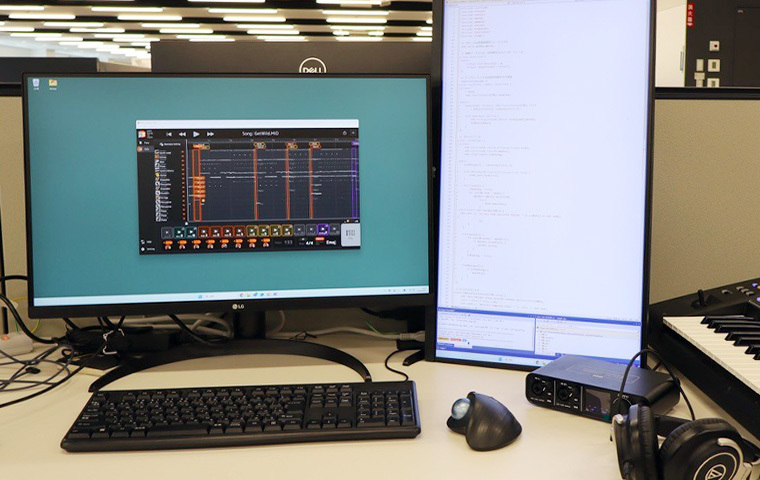
Occupied
Development of PC Software for Digital Musical Instrument Content Creation
(Content: MIDI Song, Style, Voice Parameter, etc)
Digital Musical Instuments Development Department
Process & Objective
o Contribute to the development of PC software tools for digital musical instruments
content creation
o Design and implement user interfaces optimized for music content workflows
SKILLS
- Required: Fundamental knowledge of Human-Computer Interaction (HCI) principles or UI/UX design, Skills in statically typed programming language (e.g., C++, C#, Java, etc.), Experience with musical instruments, music production, or using DAWs.
- Desirable: Basic understanding of MIDI protocol and digital audio concepts, Software development skills with UI development frameworks (Qt, Flutter, JUCE, etc.), or cross-platform development (Windows/macOS), skills using version control systems (e.g., Git), Experience using design tools such as Figma or Adobe XD, Experience collaborating on projects using version control systems (e.g., Git)
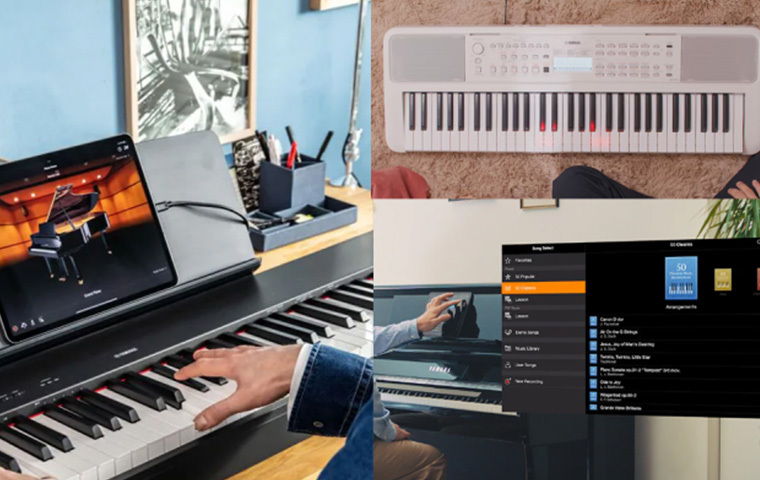
Occupied
Prototyping a Music Learning Support App for Beginners
Digital Musical Instuments Development Department
Process & Objective
o Prototype a mobile learning app that helps beginner musicians improve their
instrument performance step by step.
o Research and design user-friendly UI/UX, implement key features, and evaluate how
the app supports continuous learning.
SKILLS
- Required: Basic knowledge of UX/UI design, Skills in iOS and/or Android App development, Interest in playing musical instruments, Open-minded communication
-
Desirable: ・Knowledge of playing musical instruments or music production,
Specialized knowledge in UI/UX design, Interest in education or learning
sciences, Basic knowledge of MIDI
・Cross-platform development skills (e.g., Flutter, ReactNative)
・Experience in team-based software development, improving or optimizing UI/UX
・Interest in Japanese culture
Post Doctoral Position
The application
period for Post
Doctral Position has been closed.
Please await further announcements regarding our next call for applications.
| Position | Researcher for Audio Signal Processing and Music Informatics |
|---|---|
| Location | Hamamatsu/Yokohama, Japan |
| Description |
|
| Qualifications |
|
| Due Date | 15 September, 2024 (Messages via the contact form must be received no later than 11:59 pm on 15 September 2024, SST (UTC -11:00).) |
| How to Apply |
Please fill in the required fields in the application form as well as enter the
information below when applying.
|