
Researcher:Takuto Yudasaka

| Division | Analysis Group, Fundamental Research and Development Department, Research and Development Division |
|---|---|
| Details of Work | Development of scientific design methods for electric guitars, exploratory activities in North America |
| Field of Study | Bachelor's Degree: Electrical and Electronic Engineering, Master's Degree: Acoustic Engineering |
| Year Joined Yamaha | 2013 |
Research
I am developing a scientific method for designing electric guitars, to achieve the desired sound by clarifying the relationship between design and tone.
More than 50 years after the popularization of the electric guitar, the relationship between design and tone is still not fully understood. Therefore, we use measurements and simulations to investigate why and how design parameters such as material, shape, and processing methods contribute to the sound. Then, based on the knowledge we have gained, we aim to develop a scientific method for designing ideal tones.
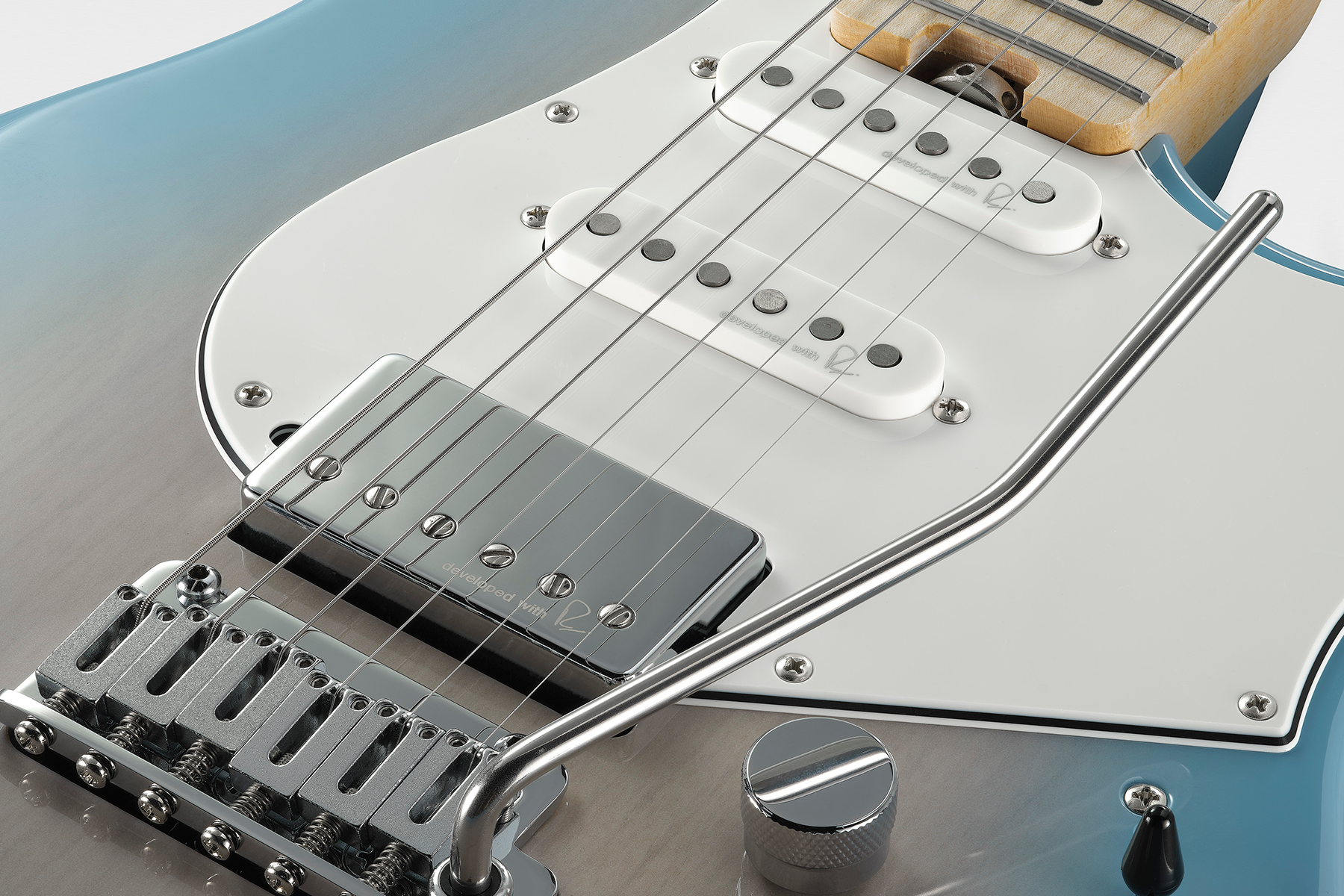
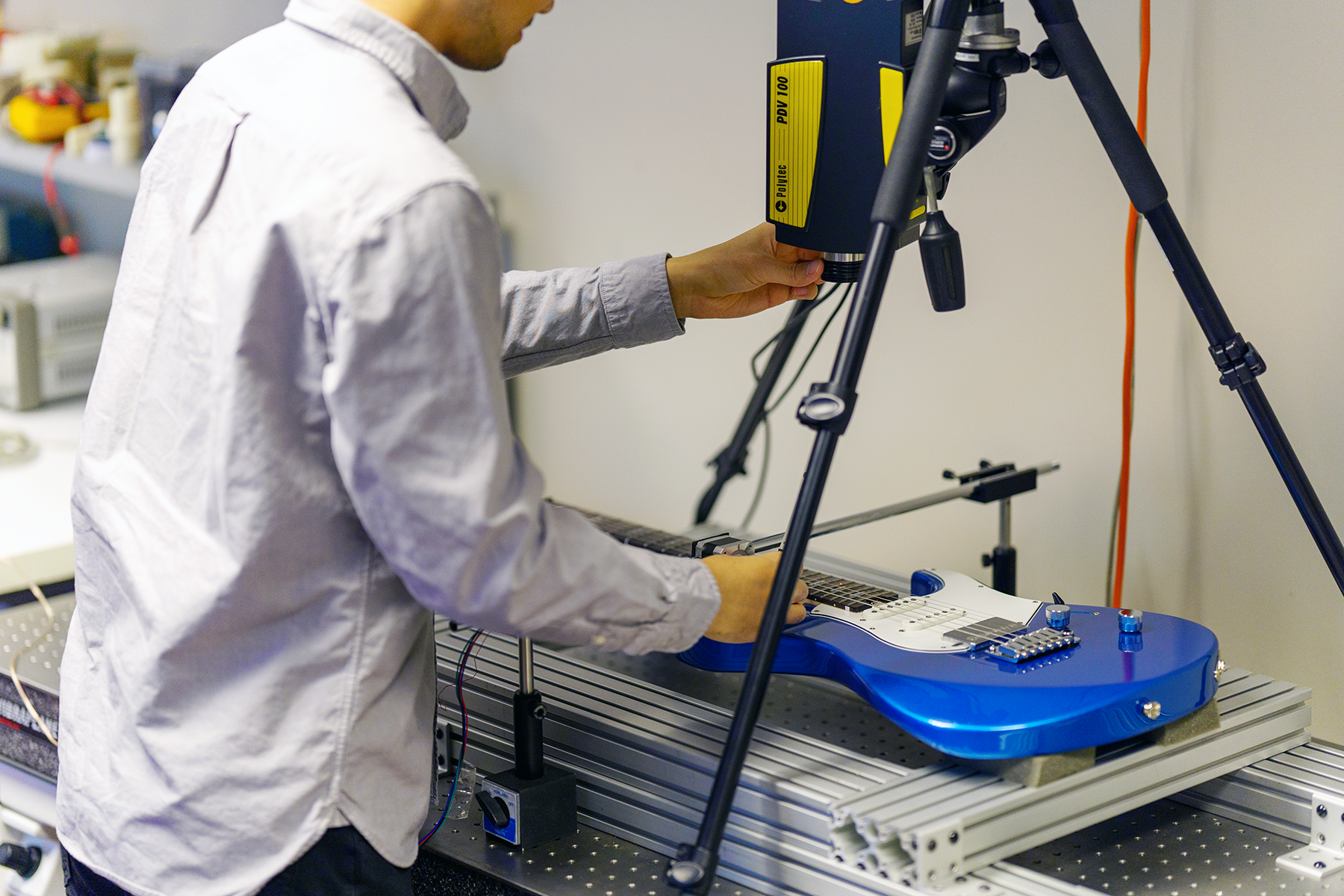
One specific example involves the research and development of magnetic pickups. It is well known that increasing the number of coil turns in a pickup increases the volume but also results in a muffled sound. We used measurements and simulations to investigate this phenomenon and found that it was caused by a decrease in the cutoff frequency due to an increase in the coil’s inductance value. We also found another design parameter that contributes to the cutoff frequency. By adjusting this parameter, we developed a new design method that achieves both increased volume and clarity of tone. This design was used in the “Reflectone” pickups for the Pacifica series released in 2024.
Collaboration in Montreal
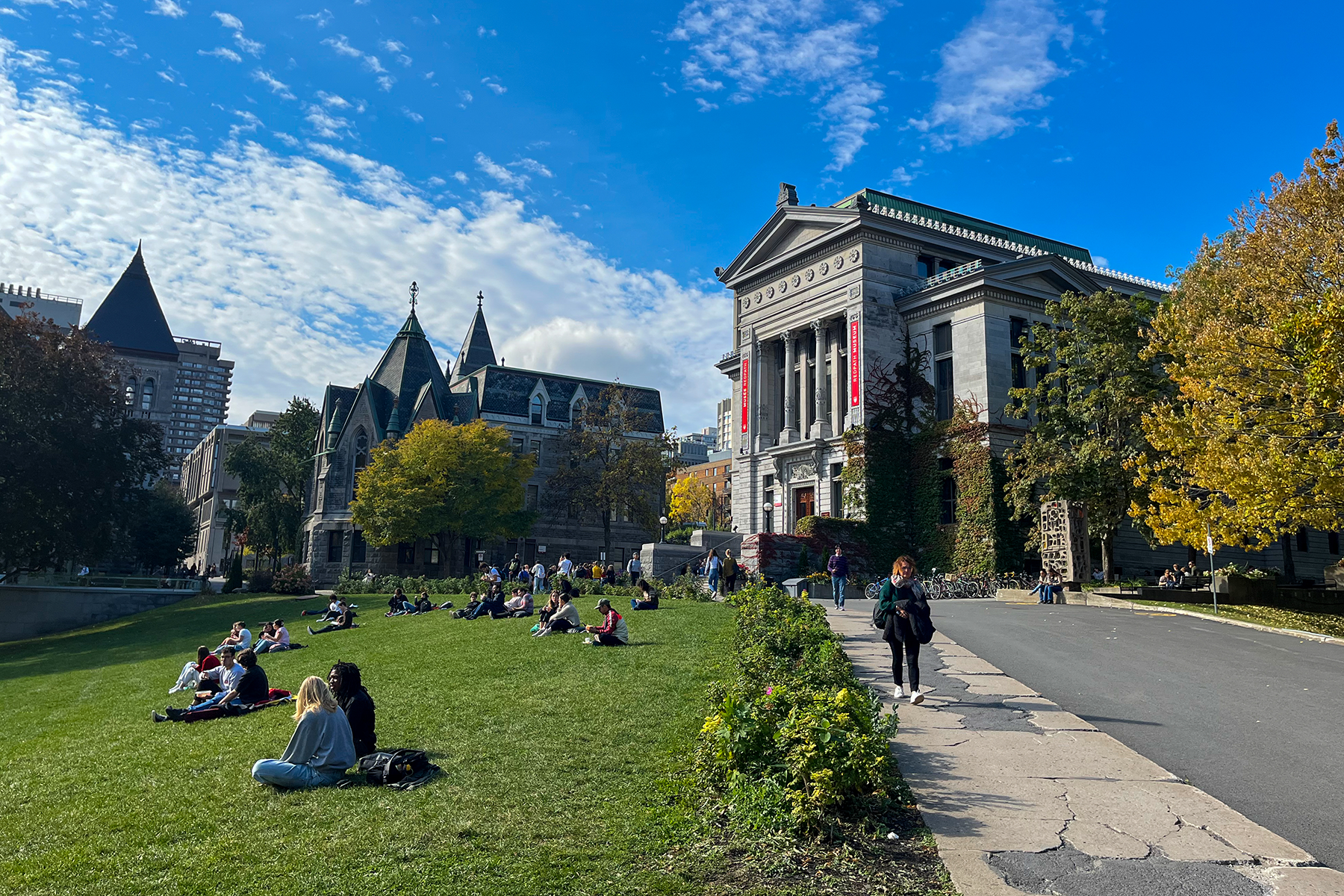
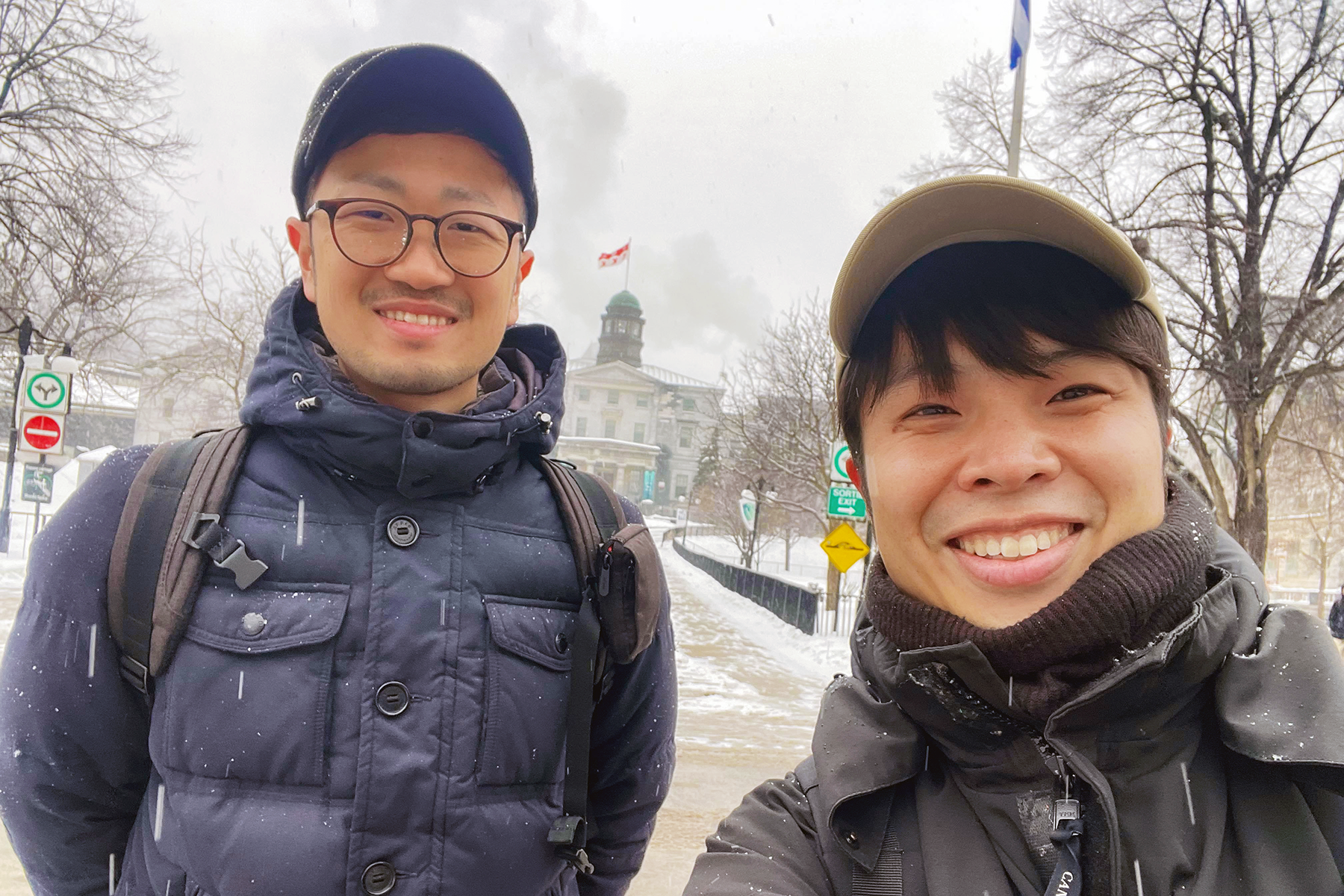
We are currently conducting such instrument research in collaboration with the Computational Acoustic Modeling Laboratory (CAML) at the Schulich School of Music at McGill University and the Center for Interdisciplinary Research in Music Media and Technology (CIRMMT). For this reason, I am currently located in Montreal, Canada.
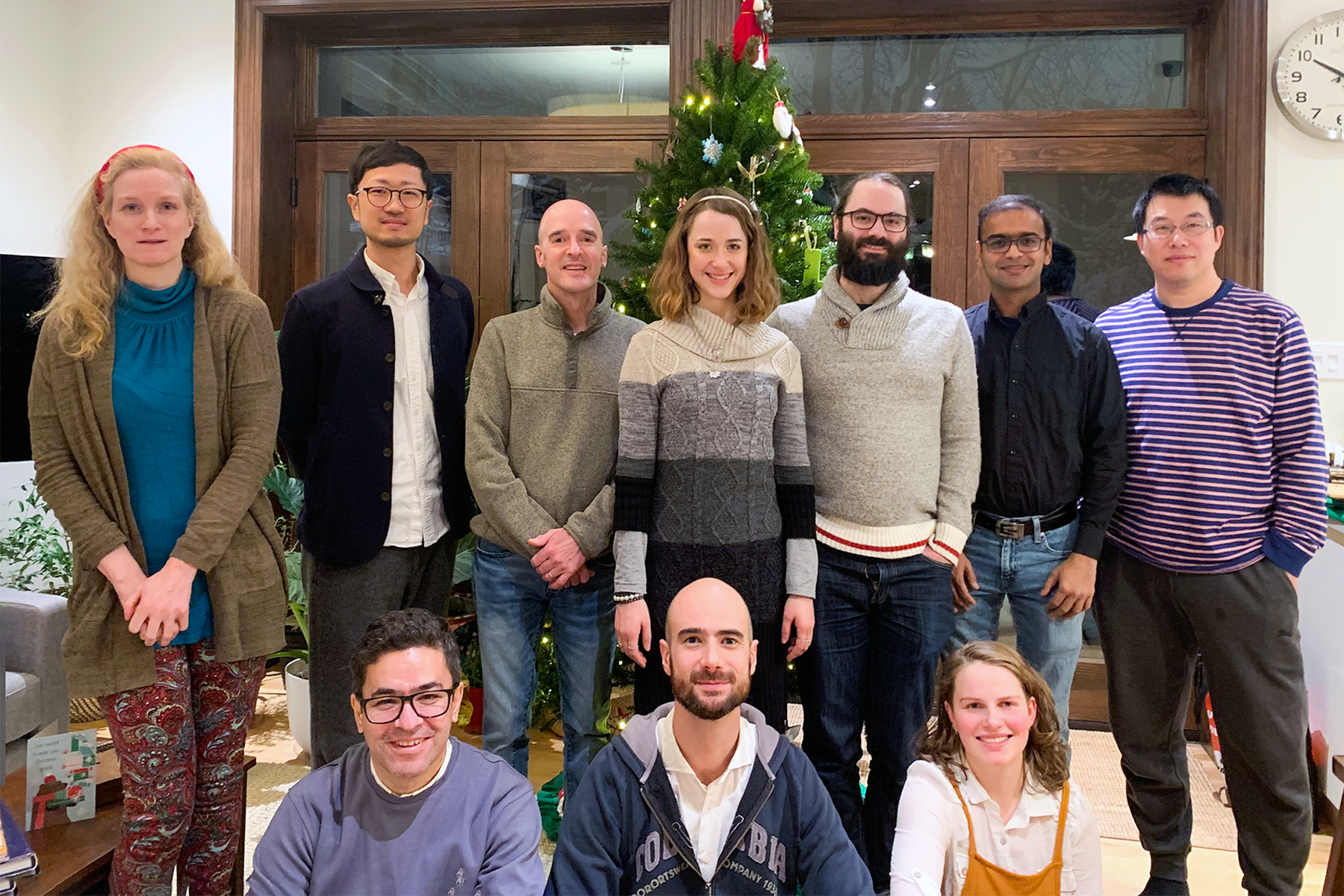
Led by Professor Gary Scavone, CAML attracts musical instrument researchers not only from North America, but also from all other corners of the world, including Europe, the Middle East, and Asia. In addition to my research on the physical phenomena in popular musical instruments, other research topics include the cultural background of unique instruments, and research on systems that provide scientific support for practicing musical instruments. Various studies on music technology are also being conducted in other laboratories within the same graduate school.
Through discussions with researchers who have perspectives, techniques, and sources of information that are different from Yamaha, I have discovered new approaches to my own research. In addition to technical topics, we also have lively conversations about, for example, “how to apply the results of research in academia to the development of musical instruments.”
Exploratory Activities in North America
In addition to collaborative research, I am also involved in exploratory activities in North America. Through events and exchanges with others, I aim to discover cutting-edge technologies and potential needs not currently available at Yamaha, and bring new value to the market.
For example, at a presentation on percussion instruments at McGill University, I met RADWIMPS drummer Satoshi Yamaguchi, who is studying musicians’ dystonia. During our three-day meeting, we discussed the possibility of collaboration during a meal at my favorite restaurant. This resulted in the joint development of a completely new drum system (VXD) for performances, which was announced to the public at the end of 2024. As a Yamaha employee and an amateur drummer, it is a great pleasure for me to be able to contribute to Mr. Yamaguchi’s passion for drum performance.
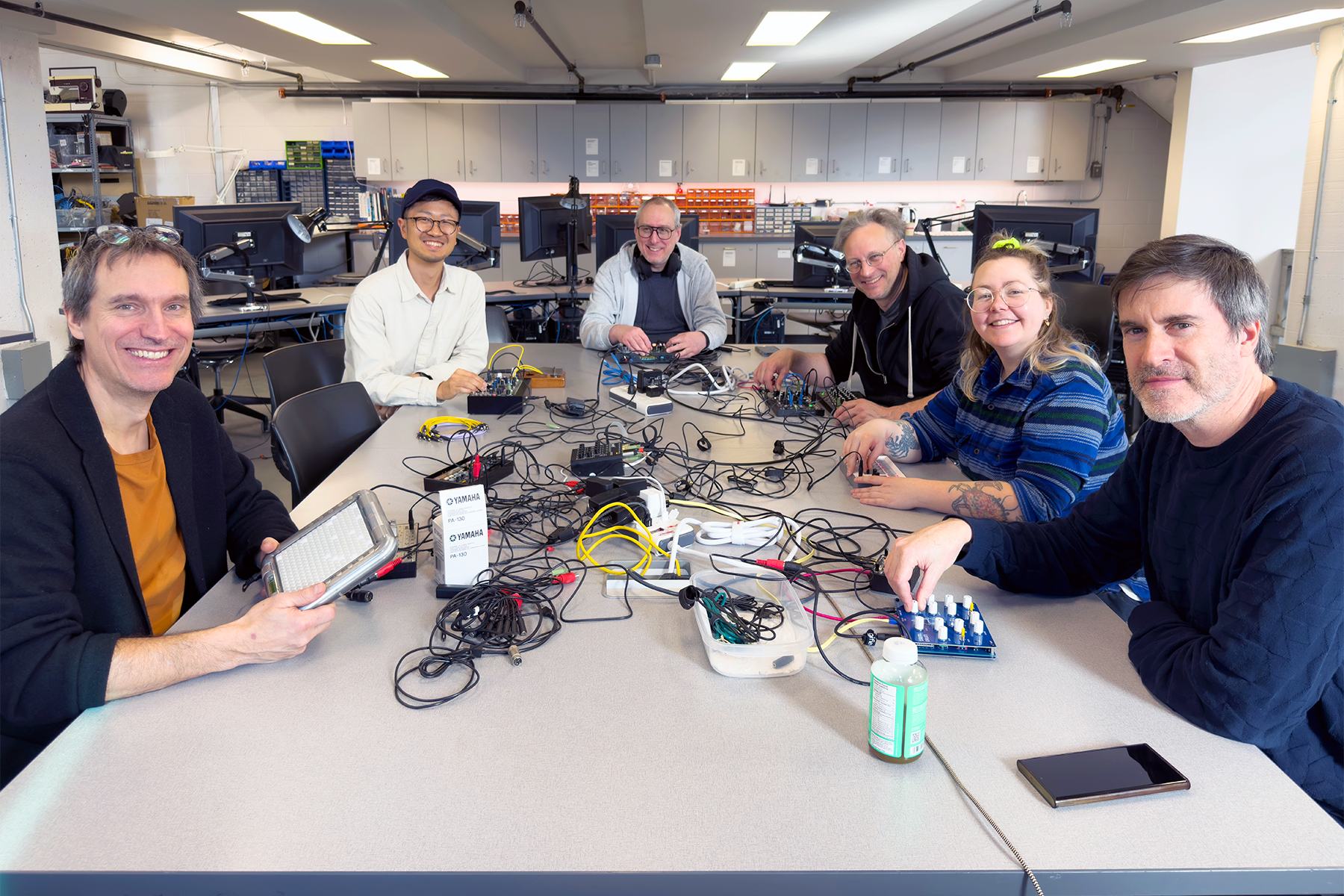
Although in this example I collaborated with a Japanese person, I usually meet with non-Japanese speakers. Music is a powerful tool at such times. Like English, mathematics, and program source code, music is a universal language. Through jam sessions involving my hobbies of drumming and modular synths, I have developed relationships with many researchers and students. This approach is unique to the musical instrument industry.
Culture of Montreal
There are many differences between Japan and Montreal, but I would like to share two features of Montreal that I particularly like.
The first is music culture. In Canada and Quebec, grants for cultural and artistic activities are plentiful, and free outdoor festivals are held weekly in the summer. The most famous is the jazz festival, but other genres include classical, electronic, and ethnic music. The grants also contribute to the diversity of musical culture, with many unique and experimental shows. Among them, performances utilizing digital technologies such as AI and immersive audio are a distinct part of culture of Montreal, and are of great interest to me during my exploratory activities.


The second is beer. There are many small breweries in Canada, and specialty stores and larger supermarkets always have more than 100 different kinds of beer. It is impossible to try them all, even if you drink every day, because they are changed often. It really is a problem. My favorite is a brewery in Quebec called du Bas-Canada, which I love for its perfect balance of character and subtlety, and for its label design. It is fun to visit taprooms and compare drinks.
Other attractions here include a beautiful natural environment and sporting events.


For Me, This Job is …
When I started my studies for my master’s degree, I changed my major and immersed myself in musical instrument research so I could work in the field that I love. In addition, when I participated in an internship at Yamaha Motor’s Thailand factory, I found working overseas to be very rewarding, so that became another career goal. Now, I have been able to achieve both, thanks to the understanding and cooperation of my supervisor and others around me. I really appreciate their support.
Through the various experiences I have had in Montreal, I have developed not only my research skills but also my perspective on how to apply the results of my research to the development of society. I feel that this has broadened my scope as a researcher. With this improved perspective, I now have new goals after my musical instrument research and work overseas.
Therefore, conducting research and development at Yamaha has not only made my dreams come true, but has also shown me a vision of what lies ahead.