Researcher:Akira Maezawa

| Division | Music Interaction Group, Advanced Technology Research Department, Research & Development Division |
|---|---|
| Details of Work | Research and development of music information processing technology |
| Field of Study | Intelligence Science and Technology |
| Year Joined Yamaha | 2011 |
Current Roles
I work on the research and development of music information processing technologies. In particular, I develop technologies that complement and enhance human musicians—such as “AI ensemble technology.” My goal is to share the joy of playing musical instruments with more people by using AI and related approaches to support and expand human performance, especially for those who are new to music-making.
Additionally, as the director of the research facility “MINA Lab,” I am exploring new, field-driven research approaches to technology development. By running rapid field experiments and learning directly from customers and users, we accelerate the development of practical, high-value technologies. I believe research becomes truly meaningful when we deliver what we discover to people and help expand the joy of music.

The fascination of recreating the acoustic physical phenomena through software
What first drew me into the world of music information processing was a piece of software called “Max,” which I encountered in high school—a graphical programming tool for creating music algorithms. Through Max, I discovered that pitch can be analyzed with a mathematical technique called the Fourier transform. I was amazed that acoustic phenomena could be modeled in software, and that excitement quickly turned into a deep fascination with sound algorithms.
I have played the violin and composed music since childhood, so music has always been close to me. At the same time, I was just as captivated by technology. In college, I majored in computer science and electrical engineering, and in graduate school, I pursued music information retrieval in depth.
Solving the loneliness of “playing an instrument alone”
After joining Yamaha Corporation, I initially worked on technology development for electronic musical instruments. A few years later, my focus shifted toward “performance” itself—how technology can enrich the experience of playing. The motivation was deeply personal: because my family moved frequently for work, I often struggled to find chamber music partners and felt the loneliness of practicing the violin alone.
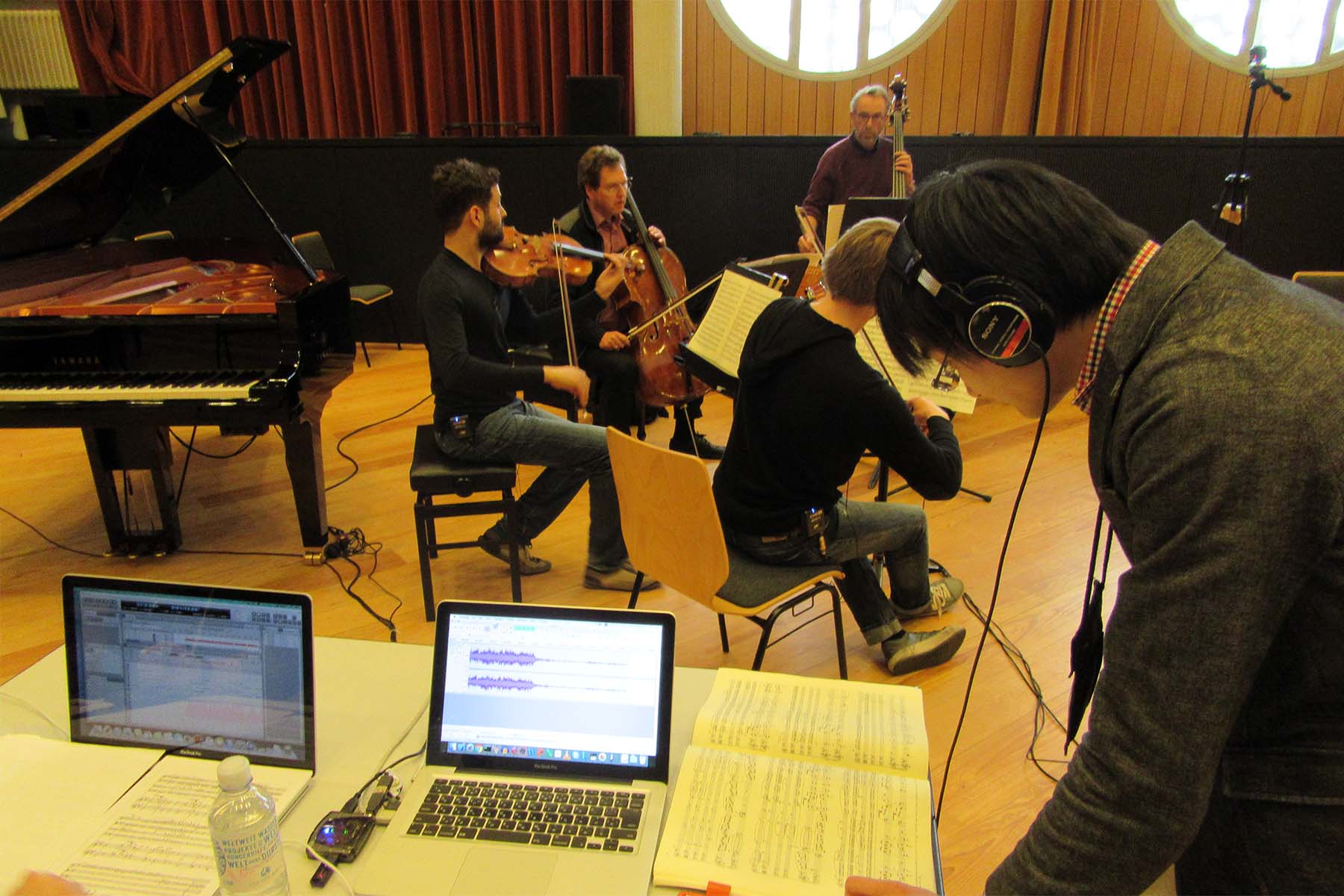
With a simple wish—“If only there were an engine that could accompany my violin playing”—I built a prototype accompaniment system in just two days. After demonstrating it and receiving my manager’s approval, I began full-scale research on performance in 2013.
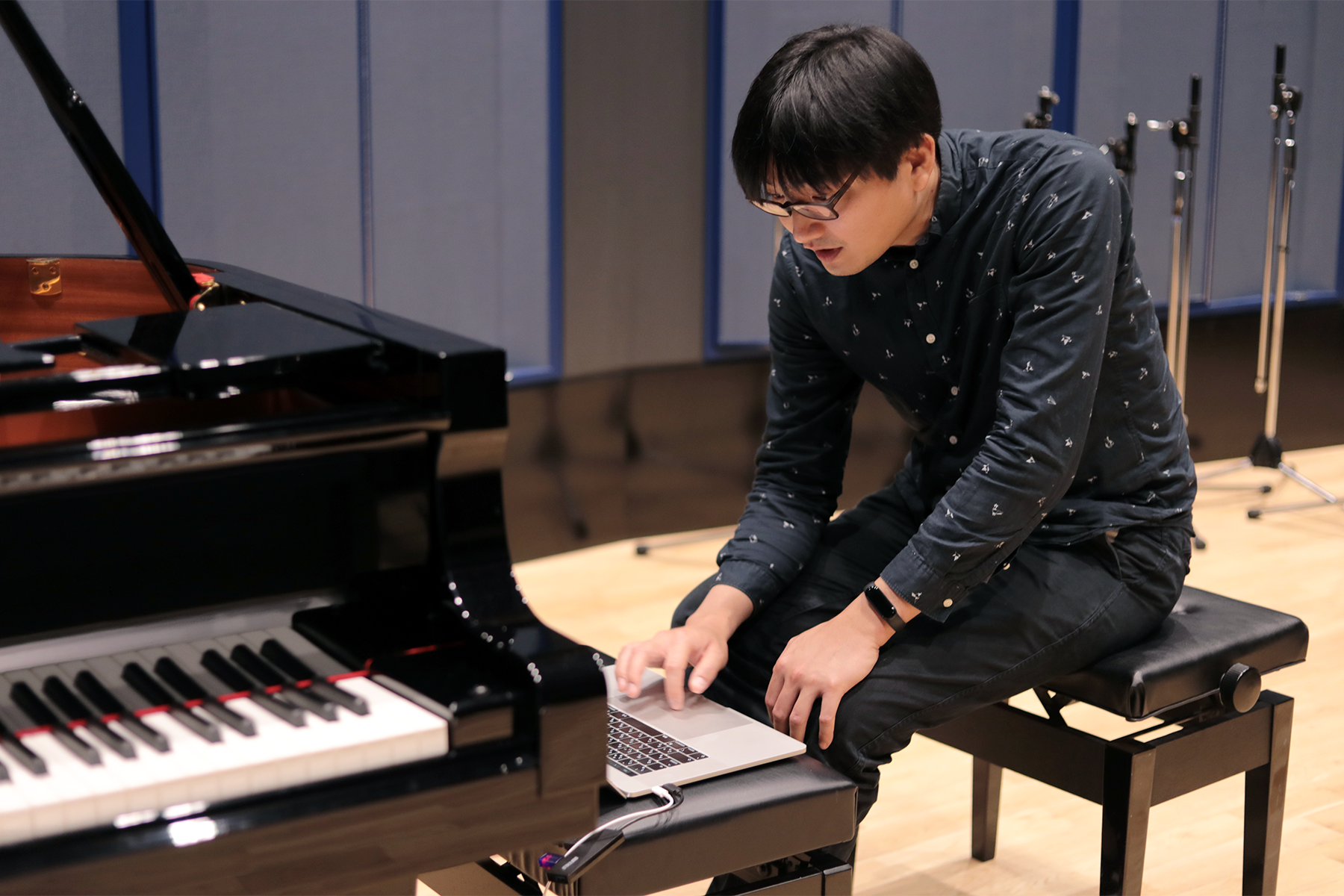
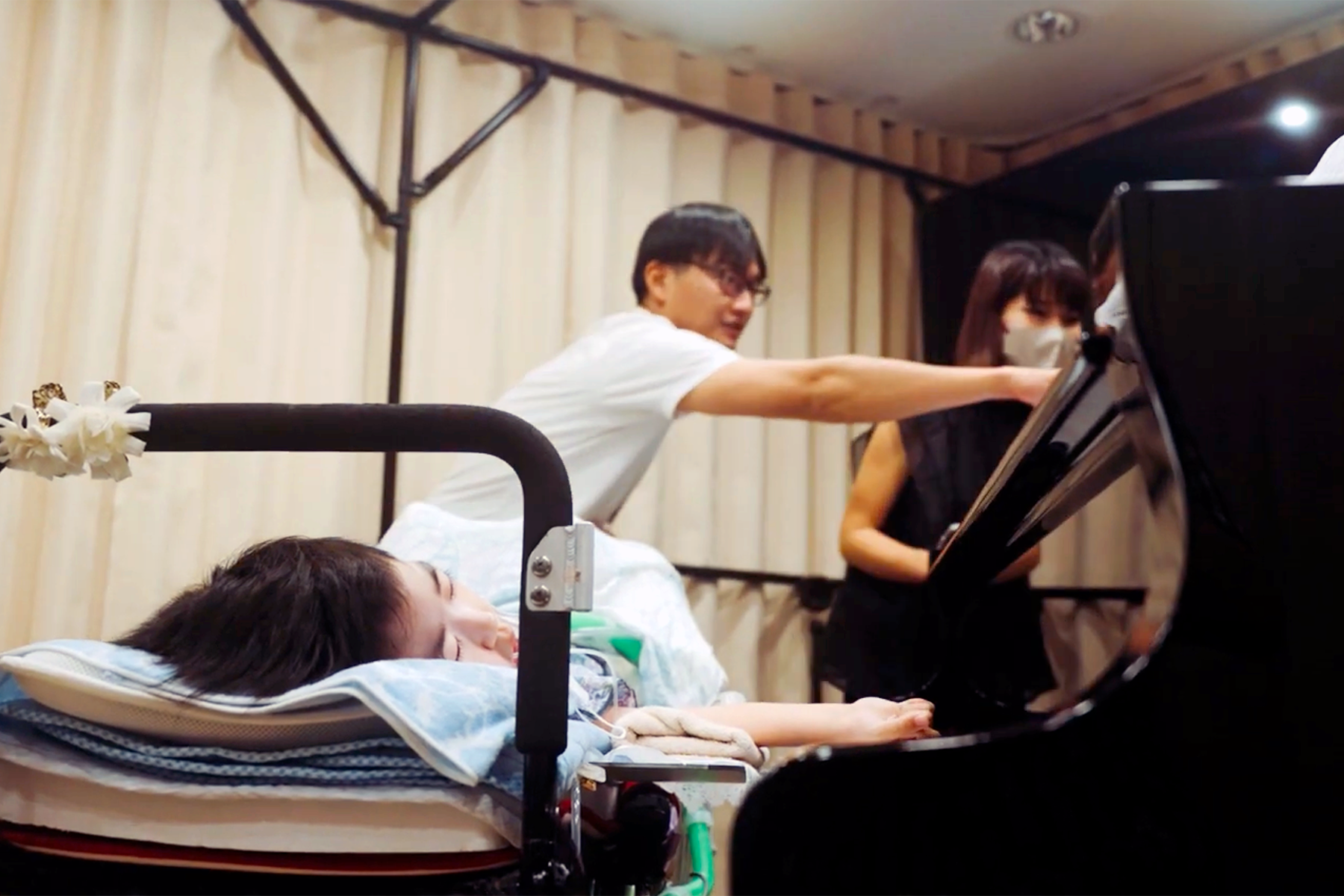
This research took a major leap forward in 2015, when Professor Oko Arai (then Specially Appointed Professor at Tokyo University of the Arts; now Visiting Professor) approached us with a request: to help high school students at a special needs school play the piano. We developed a system that automatically operated the piano pedals in sync with the performer’s playing, enabling students in wheelchairs to use pedal effects and perform more expressively. This became the starting point for our “Daredemo” (“anyone, regardless of…”) projects, including “Daredemo Piano,” in which accompaniment and pedal effects automatically follow the user’s melody—even with just one finger.

From “Daredemo Piano” to “The Joyful Piano”
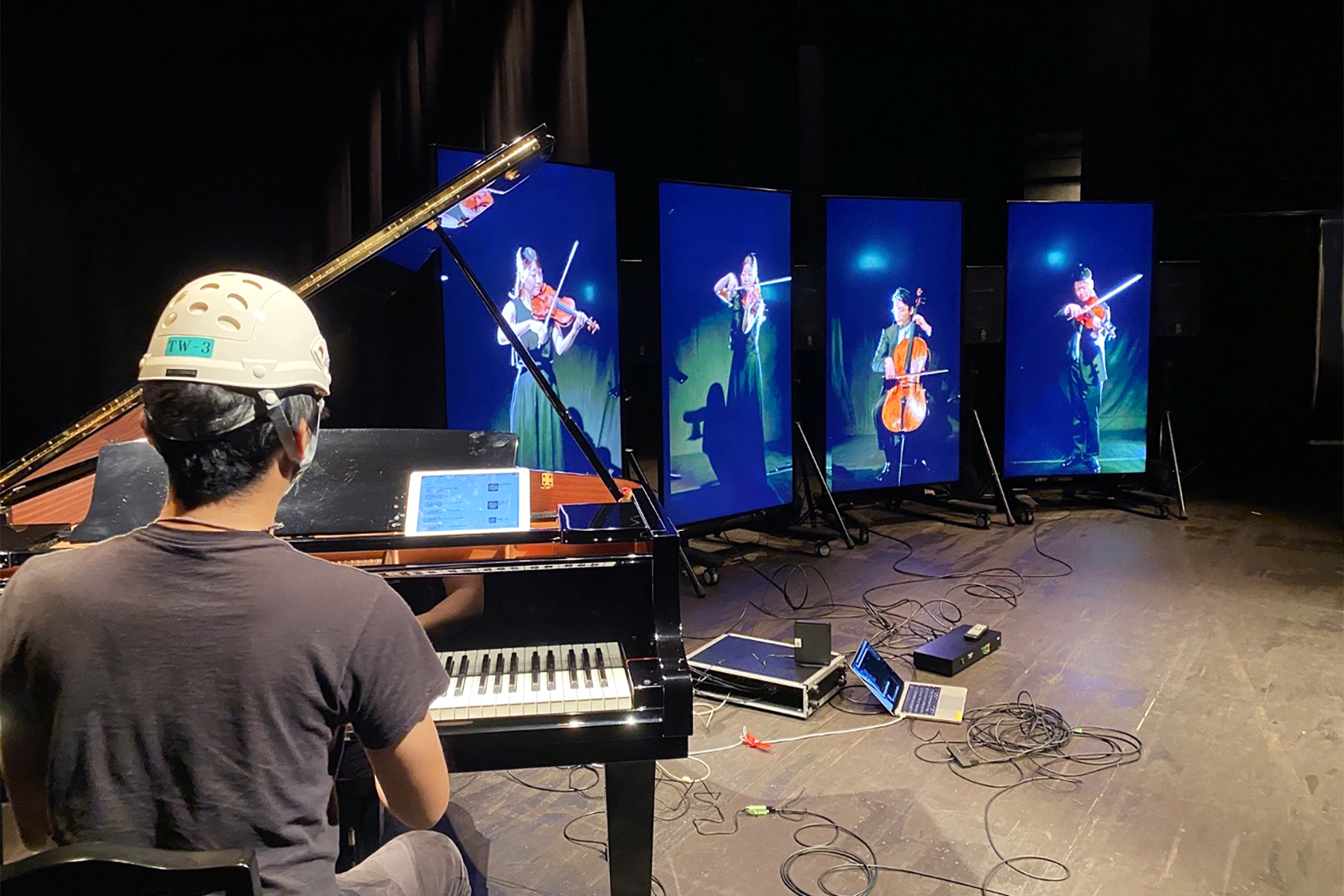
With “Daredemo Piano,” we were able to share the joy of playing an instrument—and that success inspired an even bigger ambition: to share the joy of playing together. Building on the same core technology, we launched “The Joyful Piano” project and held a concert in which three pianists with disabilities performed Beethoven’s Ninth Symphony alongside an orchestra and choir. By expanding the system so it could not only follow an individual’s playing but also synchronize with an ensemble, we helped create a truly shared musical experience.
If I had to describe the joy of ensemble playing in a single phrase, I would call it “dialogue without words.” Through music, we empathize with others’ feelings and convey our own. Perhaps the true value of an instrument lies not in the instrument itself, but in the community that is born through it. That is precisely why we are dedicated to developing technologies that allow more people to enjoy playing instruments on an equal footing.

A Field-Based Research Approach Spreading from MINA Lab
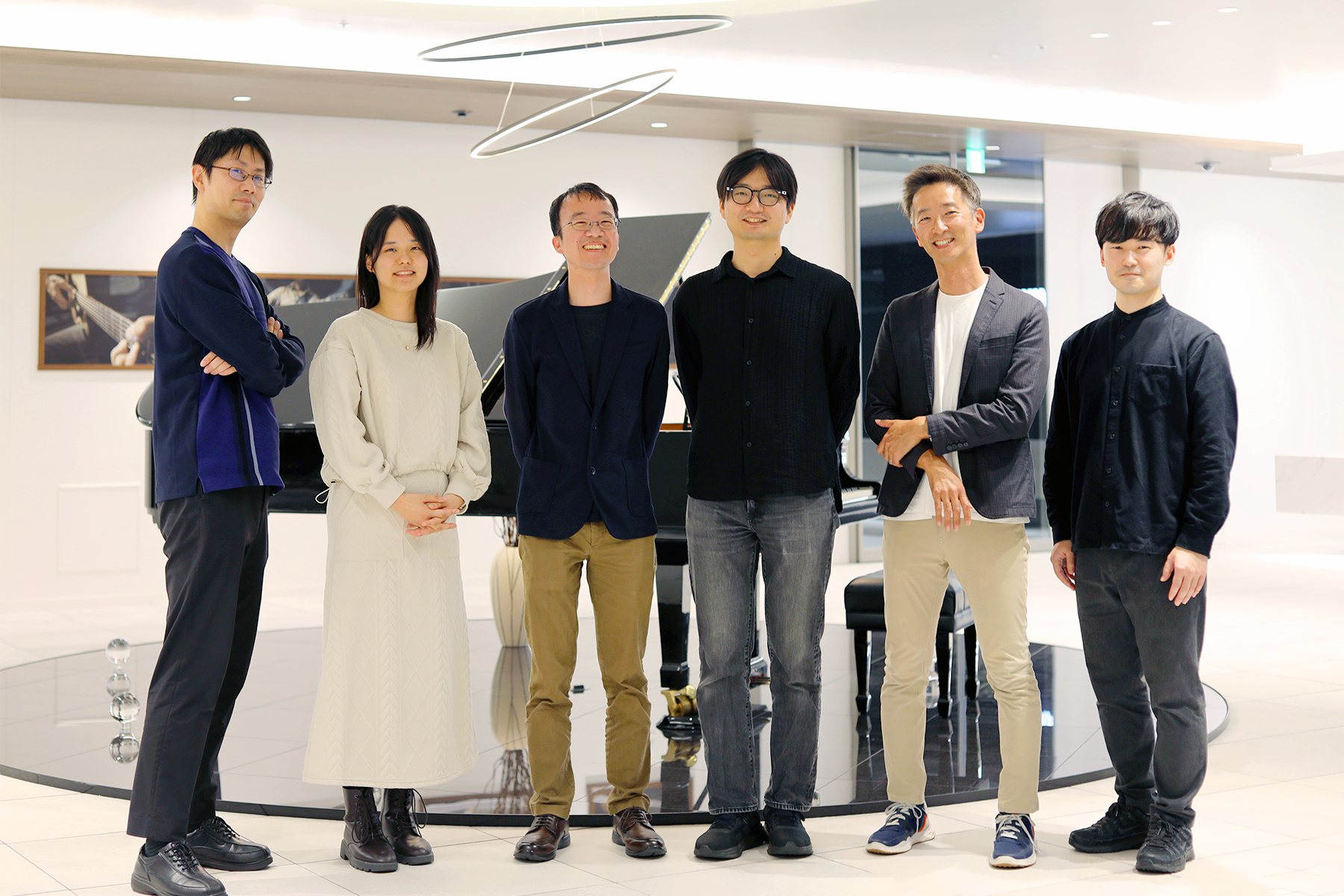
MINA Lab, where I serve as director, is Yamaha’s new research hub, opened in Yokohama’s Minato Mirai district in November 2024. We have tried to move away from presenting research only after it is finalized and toward a faster cycle: conducting frequent pilot tests, listening closely to customers, and feeding what we learn straight back into the next iteration. To rapidly create new technologies and applications, we not only collaborate with universities, but also test ideas in real settings—leveraging Yamaha Group assets such as music schools and retail stores, as well as partnerships with external music organizations and municipalities.
For example, we installed the “Daredemo Piano” system in our flagship store in Yokohama and collected data from customers’ playing experiences. This enables us to statistically analyze relationships among user demographics, piece selection, and satisfaction. We also run reaction tests synchronized with real performances, and we have found that even minor parameter changes can significantly affect customer satisfaction.
Furthermore, we are advancing social implementation in collaboration with local government, including experiments at after-school programs in partnership with Yokohama City. Our current primary focus is supporting the “very first step” in playing a musical instrument. We aim to create a system that allows people—whether they are playing for the first time or after a long absence—to truly feel the joy of making music.

Human-Centered Innovation: The Key in the Age of AI
AI has dramatically improved technologies for generating music autonomously. Still, what excites me most is research that deepens people’s joy and involvement in making music. I believe the joy of playing an instrument—and the thrill of performing with others—cannot be replaced. At Yamaha, we can turn that belief into action: we have experts across music and audio, strong academic collaborations, and unique opportunities to test ideas through music schools, retail stores, and partnerships. This environment lets us pursue research that can genuinely make people’s lives happier through music.