Support for Dystonia Treatment in Wind Instrument Players ― In Collaboration with Hamamatsu City Rehabilitation Hospital ―
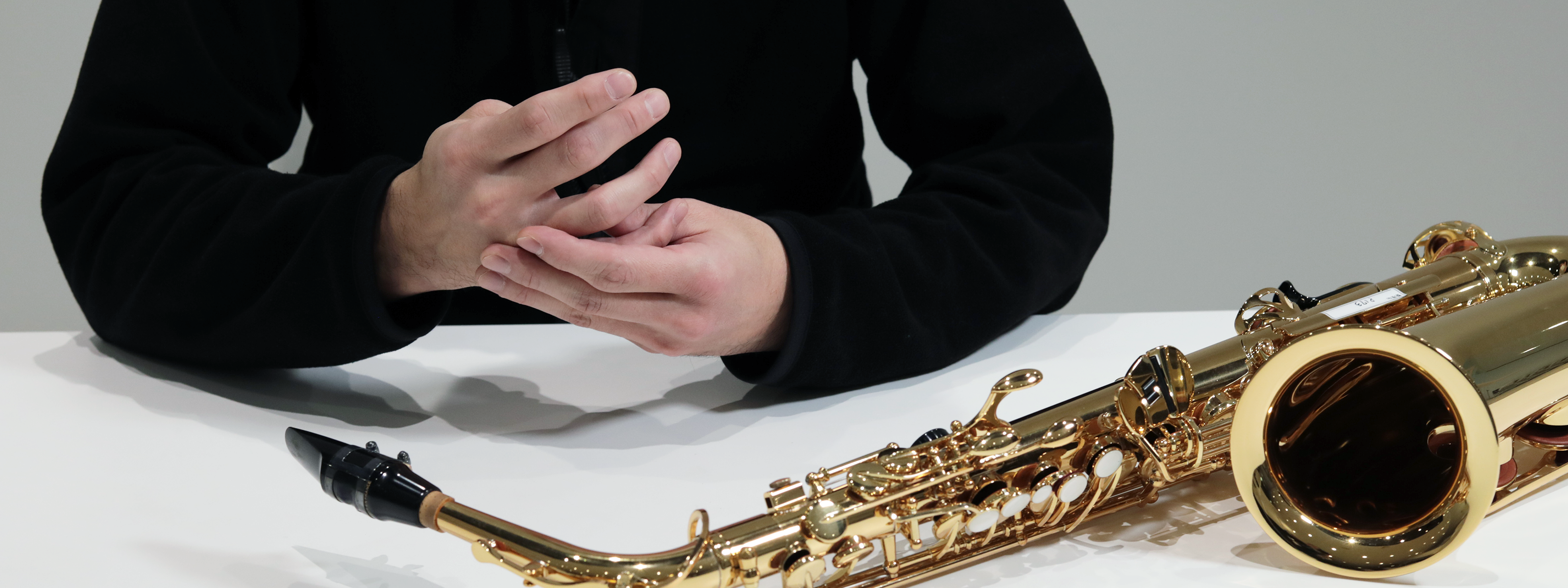
Since 2023, Yamaha has been collaborating with the Hamamatsu City Rehabilitation Hospital, Seirei Social Welfare Community (HCRH) to quantify the effectiveness of treatments for movement disorders, such as “dystonia,” observed in wind instrument players. HCRH handles treatment and rehabilitation, while Yamaha analyzes the patients’ performance data before and after treatment. We have collected and analyzed data from 10 patients on more than 80 sessions. Previously, treatment effectiveness was assessed based on patients’ subjective feelings and qualitative evaluations of their playing. However, the addition of numerical indicators derived from data analysis has enabled more objective evaluations and also helped maintain patients’ motivation for treatment.
Musical Instrument Performance and Dystonia
Dystonia is a medical condition in which muscles in certain parts of the body become severely tense, leading to abnormal postures and movements. It is caused by dysfunction in the brain’s neural circuits, which affects the signals sent to the muscles. This results in symptoms such as an inability to move the body as intended or involuntary movements of the limbs. In fact, among musicians—whether professional, amateur, or student—there are those who suffer from dystonia and struggle with symptoms such as being unable to move their fingers properly or being unable to blow well. One study reports* that the prevalence of dystonia among professional musicians ranges from 1% to several percent.
* Verena Eveline Rozanski.Dtsch Arztebl Int 2015; 871-7 Table1 Task-Specific Dystonia in Professional Musicians (21.12.2015)
There are still few medical institutions in Japan that provide treatment and rehabilitation for dystonia in musicians. As a medical institution in Hamamatsu City—a city known for its music—HCRH launched specialized treatment and rehabilitation* for movement disorders in musicians in 2020 to protect and support the city’s intangible cultural heritage: its musicians.
* Medical Care for Movement Disorders in Musicians | Department of Rehabilitation | Hamamatsu City Rehabilitation Hospital (in Japanese)
How the Collaboration Started
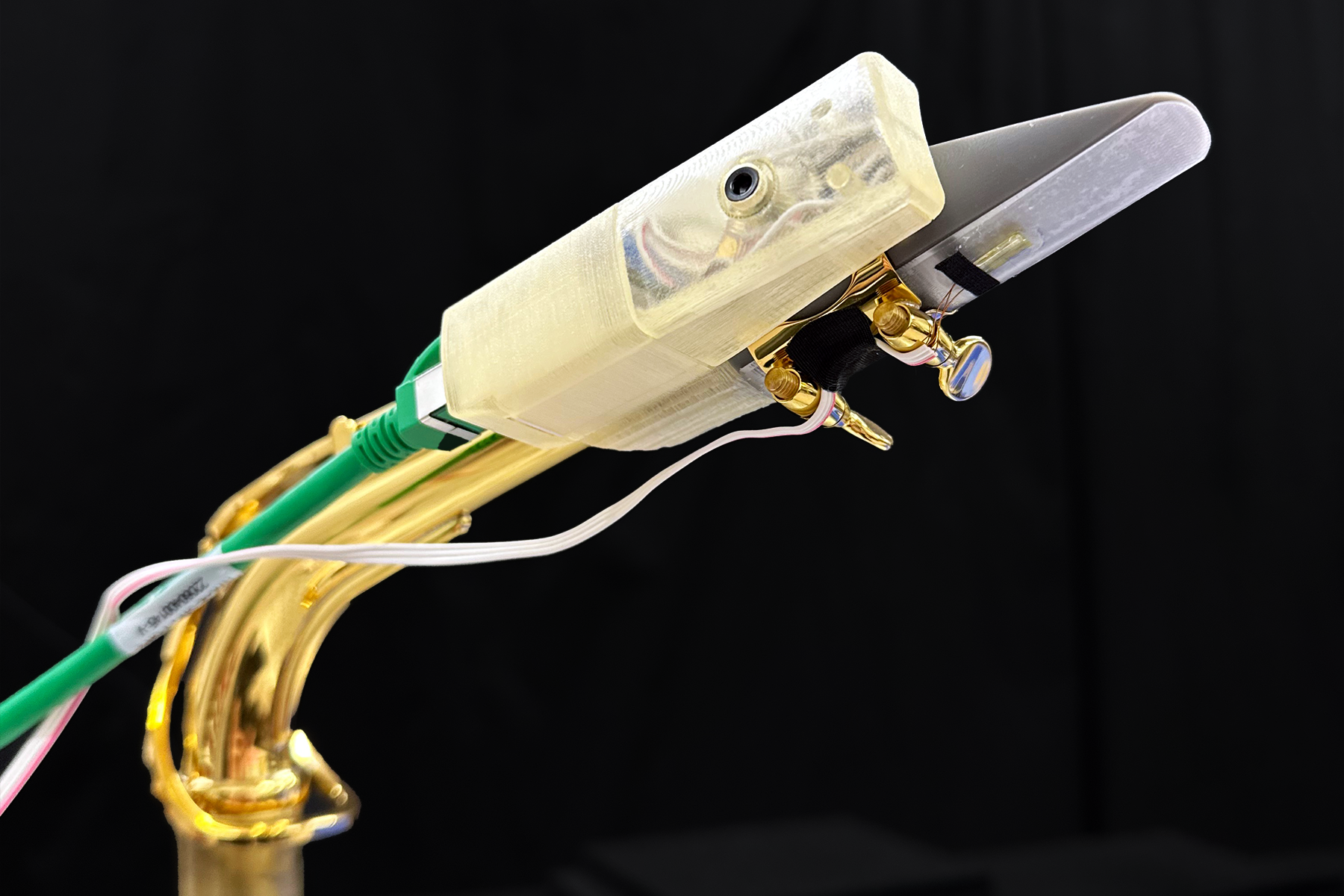
In late 2022, Mariko Amma, an occupational therapist at HCRH, contacted Yamaha to discuss ways to analyze the performance of wind instrument musicians. HCRH was attempting to establish a method for evaluating dystonia in musicians, and she was seeking our collaboration since it is difficult to quantify playing motions for wind instruments. Yamaha possesses technologies for analyzing wind instrument sounds, as well as technologies and tools for measuring playing movements, including systems such as SMARTMOUTHPIECE. We proposed utilizing these resources, and our collaboration with HCRH began in April 2023.
Yamaha’s Unique Approach to Analysis
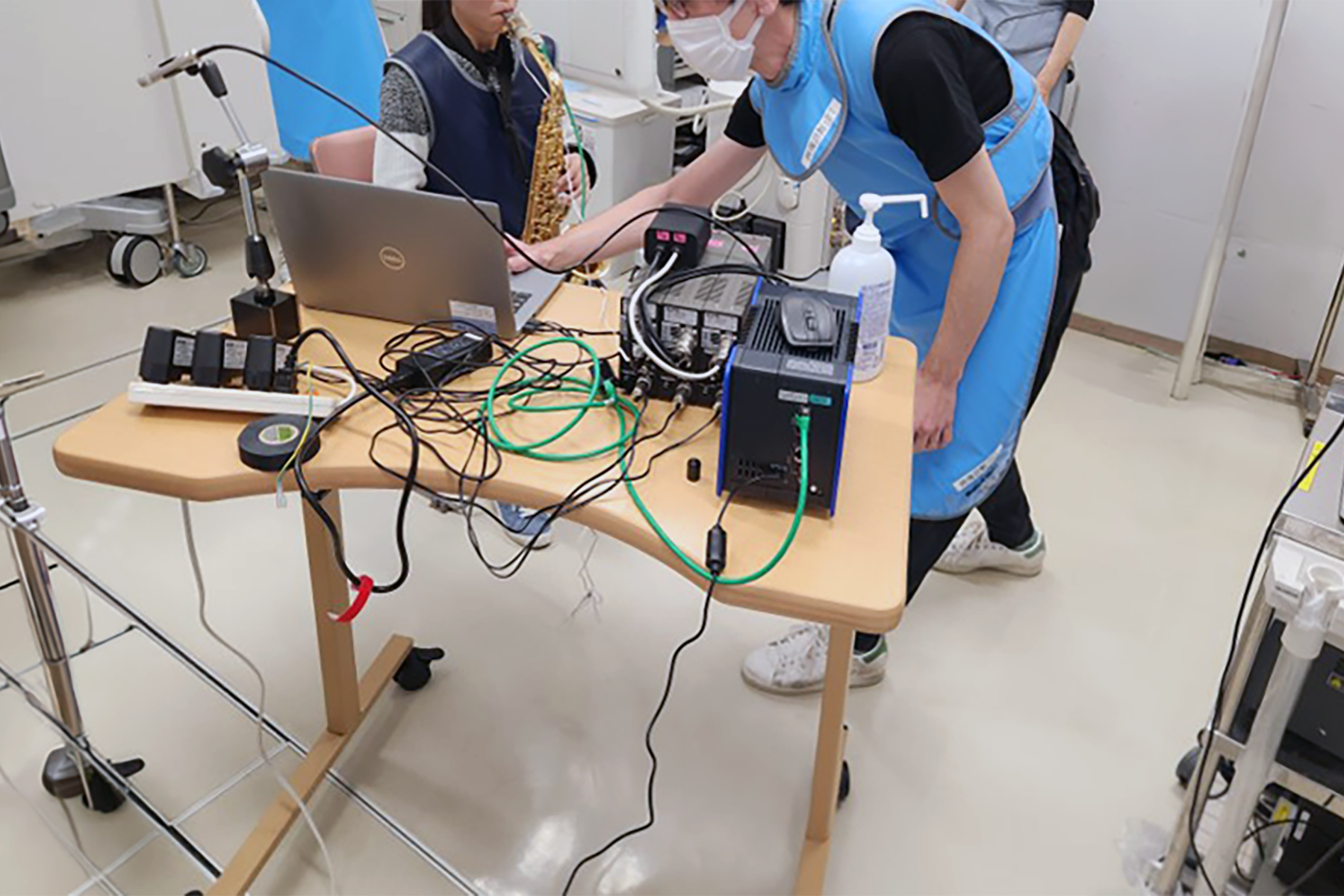
The symptoms of dystonia vary significantly from patient to patient. Therefore, treatment and rehabilitation require a tailored approach for each individual case. During the initial consultation with new patients who agree to participate in the study, a Yamaha researcher observes and listens to understand how specific symptoms affect their playing. Together with the attending physician, they then determine the appropriate blowing tasks, such as short phrases the patient plays for analysis, and specific analytical methods. The key to effective treatment and rehabilitation lies in “Yamaha, the Sound Experts” working closely with patients to determine which tasks are best for capturing performance data and how to analyze it effectively.
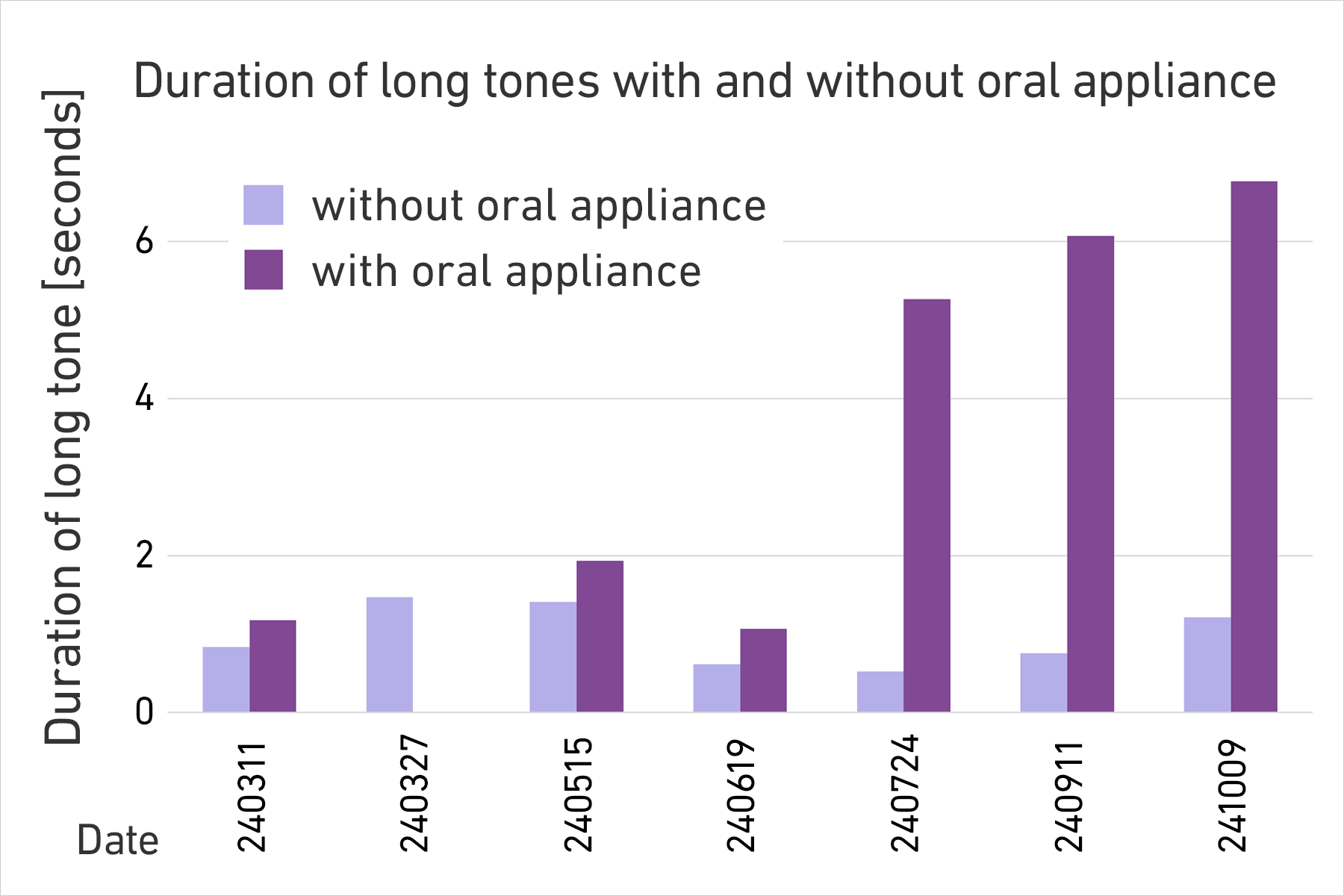
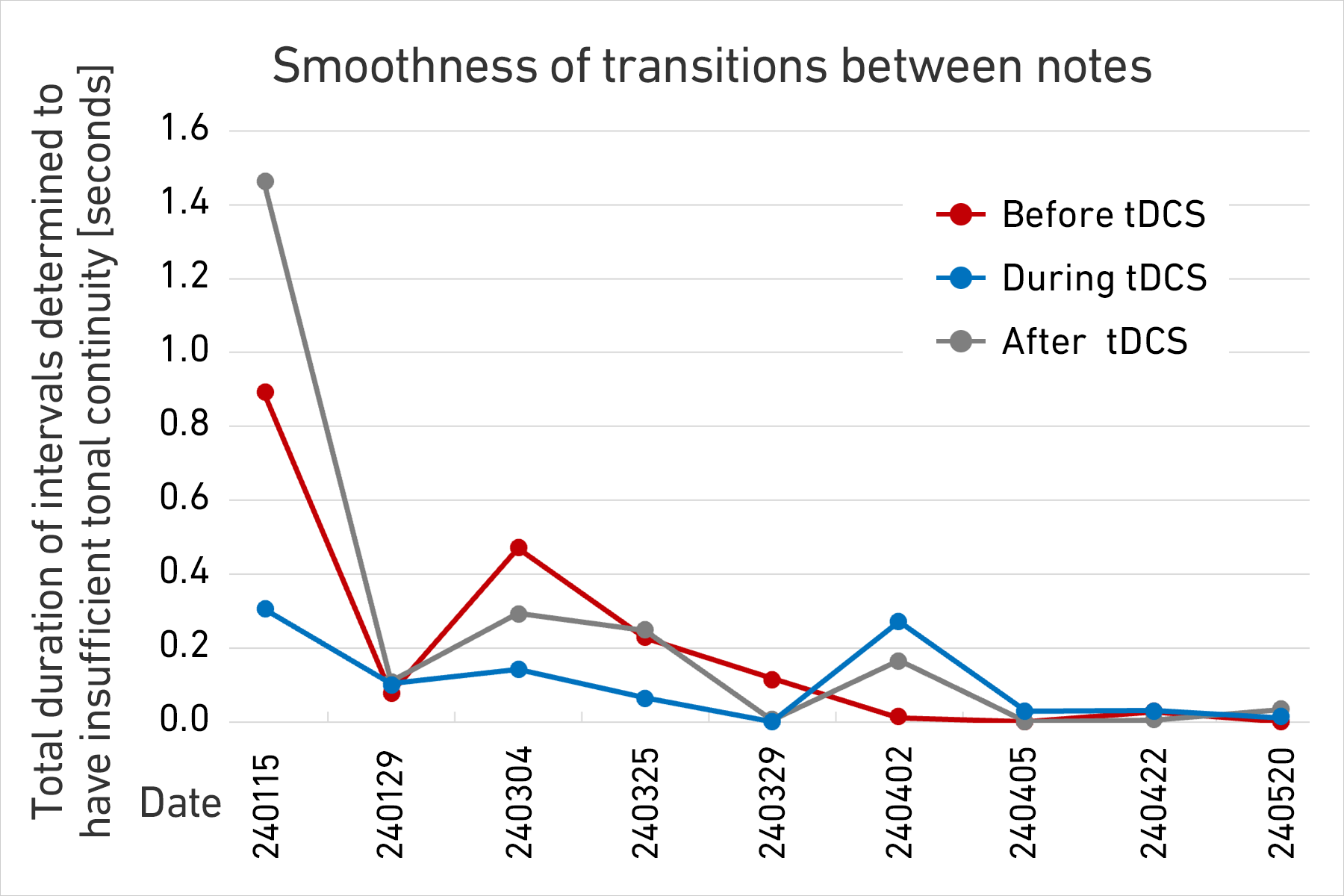
Since dystonia is not a problem with the motor organs but rather an issue with neural circuits in the brain that cannot be seen from the outside, some patients hold strong preconceptions about their symptoms or are skeptical of the diagnosis. Even if symptoms improve, it is not uncommon for patients to distrust qualitative feedback. When provided quantitative feedback in numerical form, patients often accept it readily, which also helps maintain their motivation to continue treatment over the long term. HCRH has told us that such analysis is easy to understand, and easier to explain to patients, because progress is shown in graphs.
Presentation at the Japanese Association of Rehabilitation Medicine
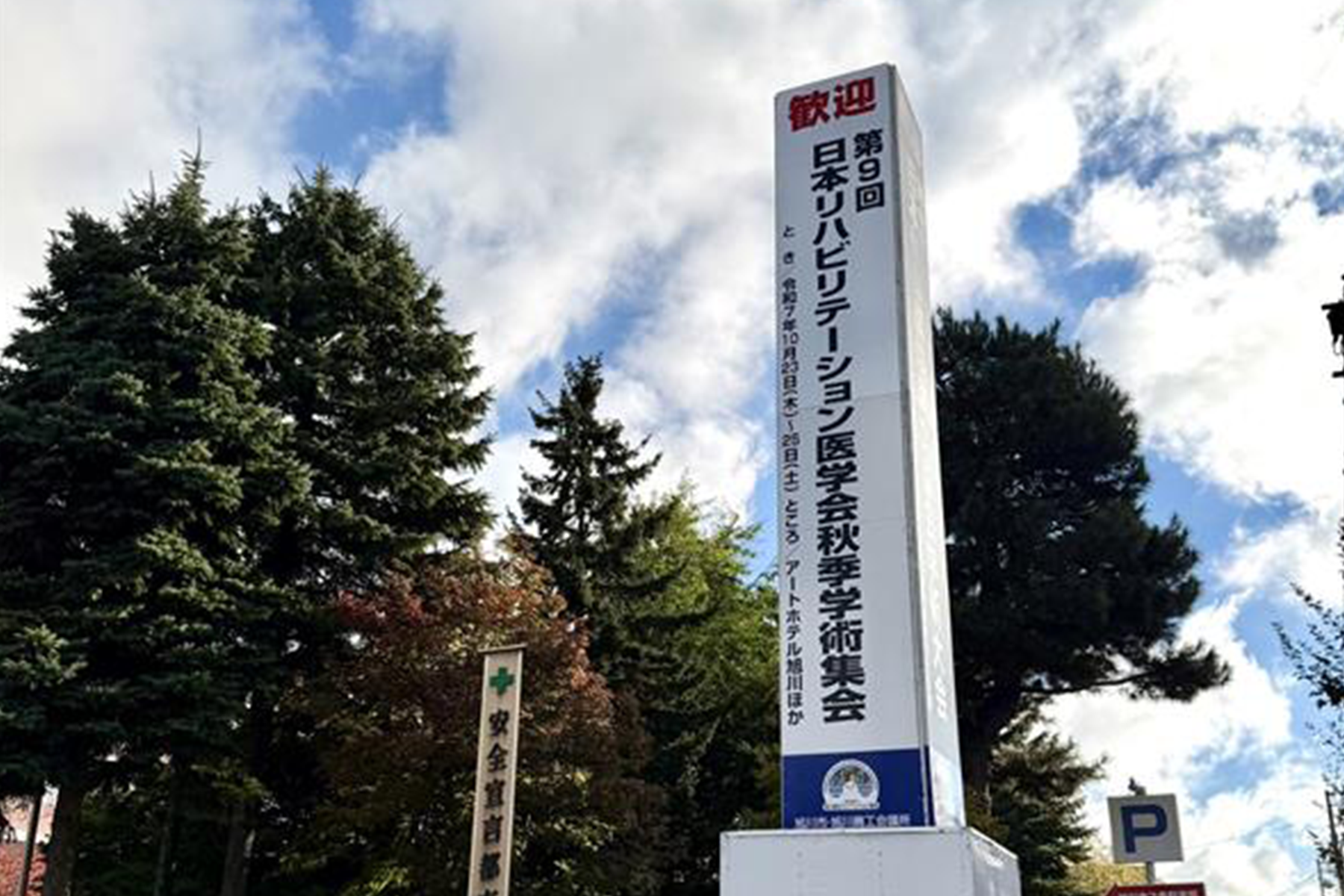
We co-presented a case study at the 9th Annual Meeting of the Japanese Association of Rehabilitation Medicine* regarding our approach to a clarinetist, which involved quantifying the smoothness of their playing to help assess treatment outcomes. The presentation was well-received, with questions raised not only about the treatment itself but also about data collection and analysis methods, making it a meaningful conference presentation.
*”Using Playing Sound Analysis in Combined Therapy for Dystonia Patients Who Play Wind Instruments”
Yoshihiko Sugiyama, Ichiro Fujishima, Takashi Shigematsu, Mika Ogawa (Hamamatsu City Rehabilitation Hospital), Tetsuro Shoji, Keita Arimoto (Yamaha Corporation), Reona Zusi (Aichi University of the Arts)
9th Autumn Scientific Meeting of the Japanese Association of Rehabilitation Medicine

Supporting Musicians with Dystonia around the World
Yamaha plans to continue our collaboration with HCRH, working closely with each musician affected by dystonia and building a knowledge base of case studies. We share HCRH’s commitment to supporting musicians’ wish to continue performing, and we believe this is a meaningful collaboration that warrants long-term investment.
Dystonia in musicians presents a wide variety of symptoms and progression, making continuous review and verification essential for establishing effective treatments and rehabilitation methods. We place great importance on pooling our respective expertise and resources, valuing the insights gained from the clinic, and gradually deepening our understanding.
We aim to continue this initiative and provide a support model that can serve as a reference for more people with dystonia in the future.