Yamaha Design “Synapses” FGDP-50/FGDP-30

2023 / FINGER DRUM PAD

GOOD DESIGN AWARD
Red Dot Award
Design for Asia Award
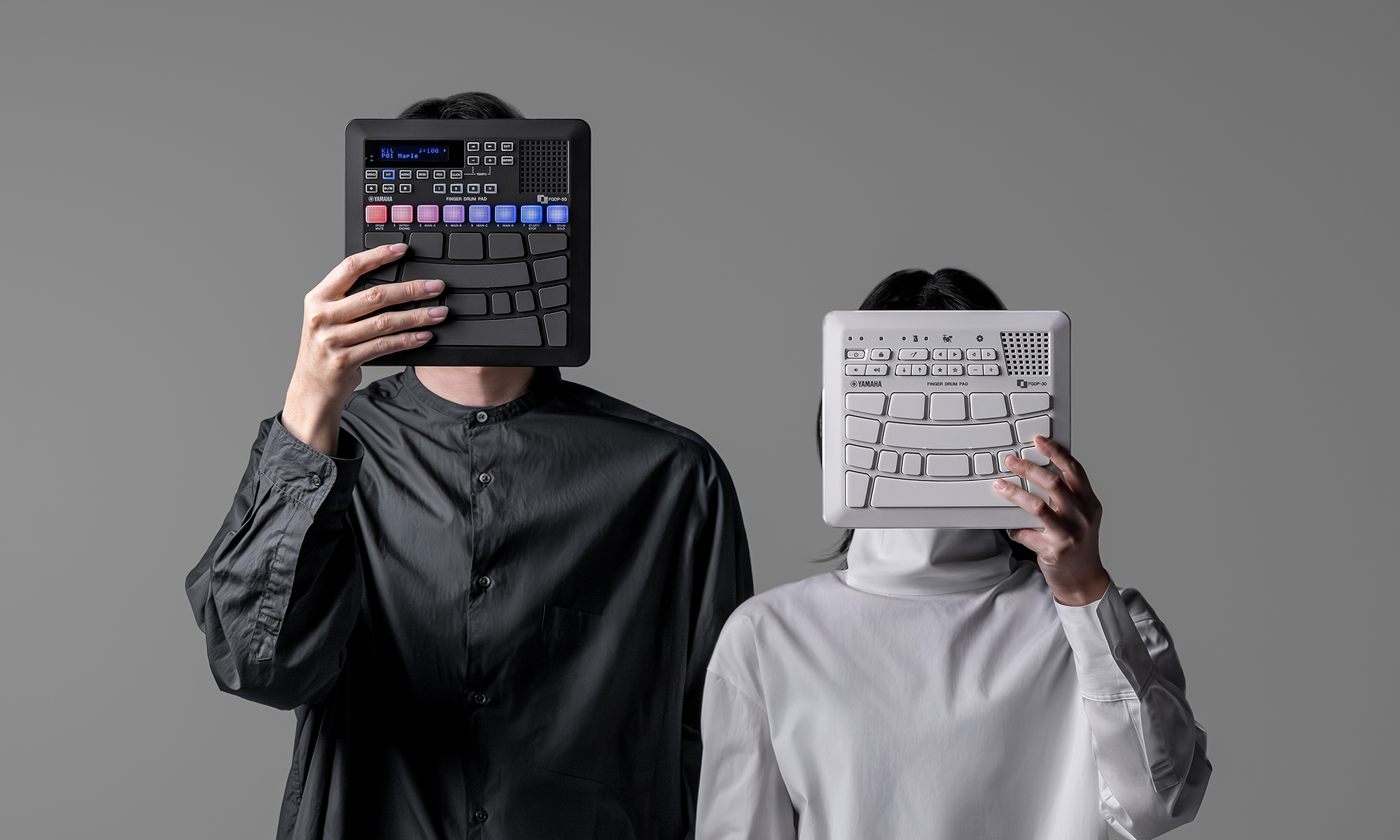

The ultimate finger drum pad.

Revolutionary

Percussion instruments are among the most primitive musical instruments. With the FGDP, we kept this in mind with a plain and simple approach, striving for a design that gives players the chance to achieve freedom of expression without being boxed into preconceived ideas.

Dual-View

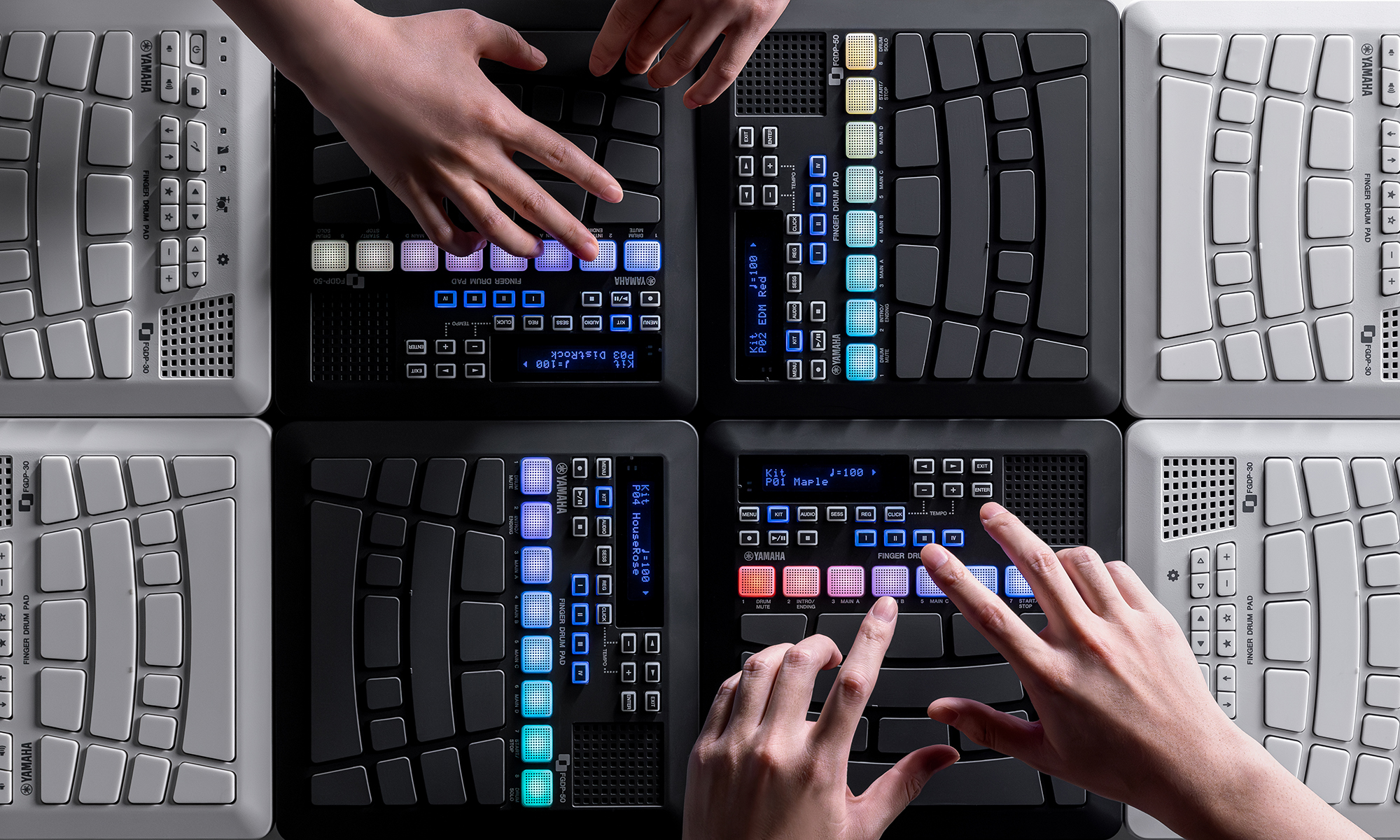
The FGDP takes a full drum set, played with the whole body, and shrinks it down to the most compact form factor possible. This lets the player showcase the new style of performance.

Intuitive

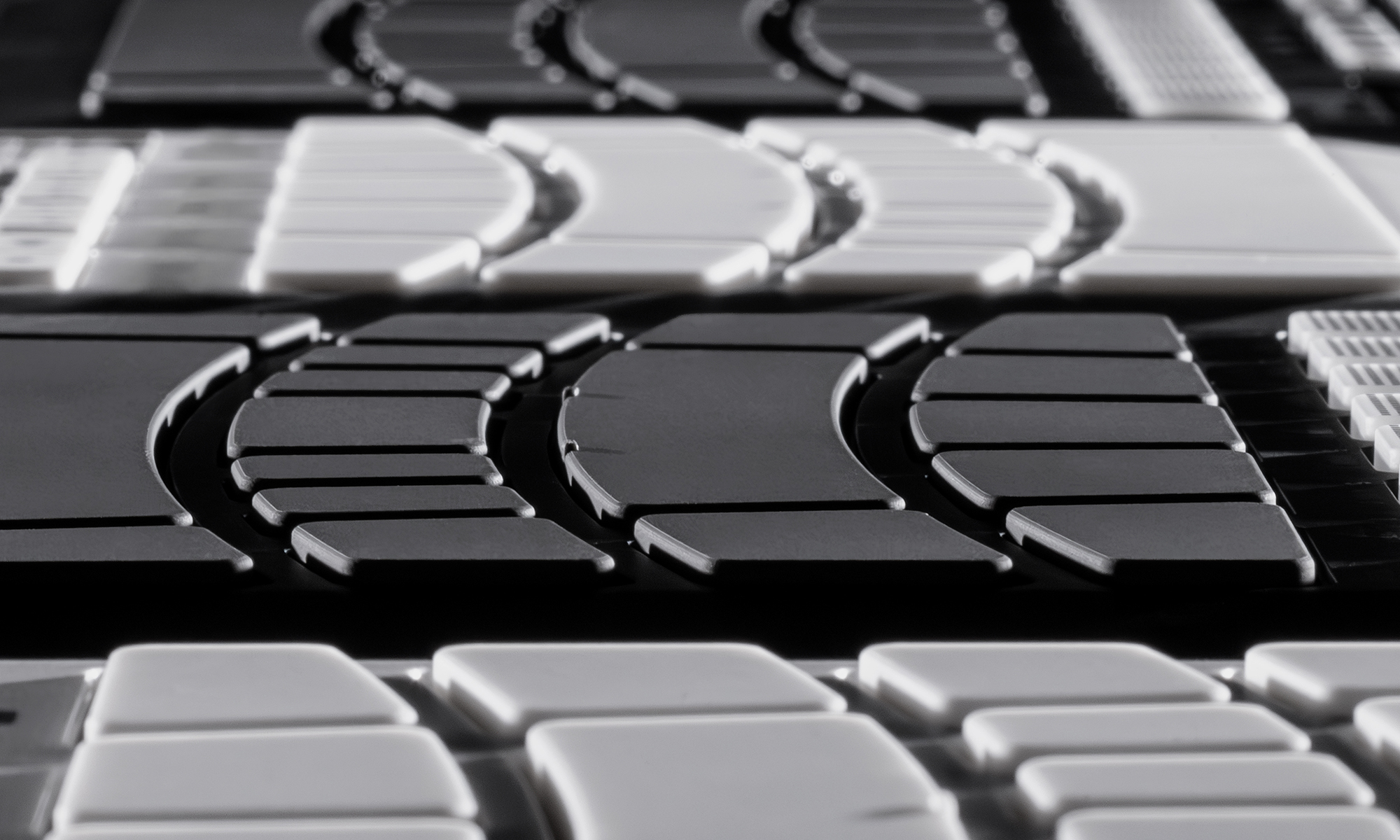
The pads are laid out in arcs that toward the player at the center with a fun and easy-going visual appeal, while offering excellent playability.

Pride

With the FGDP, you can now put your drum set into a bag and carry it anywhere. One of the appeals of this design is how it creates a new relationship between the player and their instrument.


Masato Fukuyama
Masato Fukuyama
Designer
Yamaha Design Laboratory

Kunihiro Takei
Kunihiro Takei
Designer
Yamaha Design Laboratory

Designing “drums you can play with your fingers”.

The FGDP (Finger Drum Pad) took five years to bring to fruition, including time spent in planning. Devices that produce drum sounds that have typically been used by music creators and DJs have been around for some time. The aim of this project was not to simply create a simplified set of drums, but to build a new kind of musical instrument that’s specifically played with your fingers. It’s not often that even we at Yamaha get the opportunity to create a wholly new musical instrument that’s never been seen. Before exploring what the product would be shaped like, we had to define just what it meant to play the drums with your fingers.

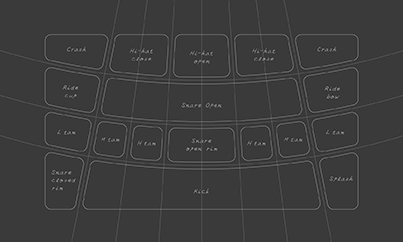
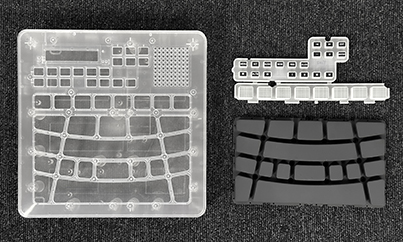
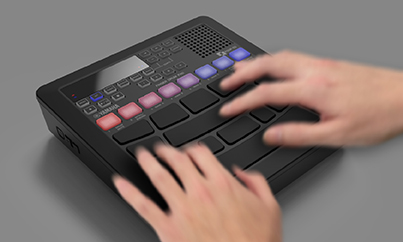
The main pads used for finger drumming are much like the keyboard on a piano. The FGDP is available in two versions, the FGDP-30 and FGDP-50, but the main pads on both models have the same size and shape. We began by exploring what pad arrangements would be the easiest to play, considering how to make it easy to play a basic 8th note rock beat with just three fingers. Although we shied away from just copying how the instruments and arrangement works on a regular drum set, we found that the optimum placement of the basic instruments was to put the bass drum right in front of the player, with instruments like the hi-hat and snare drum going behind that, much like a conventional drum set. As a result, we created a drum-like feel by reorganizing and consolidating the essential appearance of the drum set as being a collection of perfect circular shapes, with the form reminiscent of the rotating body that’s characteristic of percussion instruments.

That said, the pad layout of the FGDP was not just designed with finger motion in mind. We also gave consideration as to what shapes would allow players to move their upper body and elbows with the most freedom. Further, in the development process we thoroughly examined every aspect of the product, including how easy it would be to play, the potential of finger drumming, and what would bring the users a sense of joy. This included elements that ordinary users would not even think about, which we pared down to their essential core and brought to life as a Yamaha product. Creating musical instruments that are entirely new… offering musicians a new kind of musical lifestyle that lets them carry their drums in a travel bag with them wherever they go— designing the FGDP inspired us to take a hard look at the possibilities that we were unable fit into the product’s form factor, and then find solutions for each one.

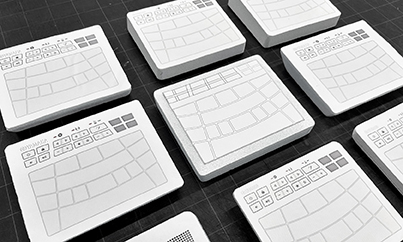
We also gave close attention to numerous elements regarding the product’s finish, such as how the product expresses itself visually and how it feels to the touch. During the initial stages of development, we had a vague idea that the product should look like just a plain board. However, we also infused this idea with the concept of flexibility that doesn’t depend on the user, along with the desire to elicit the player’s creativity. This led to an attempt at expressing the sense of “everything being in one package” and how portable the instrument was, all in a compact “board” just 20 centimeters to a side. However, this resulted in the need to align the upper and lower cases to eliminate the “stepped” feel; we also had to unify the colors used for the pads and the case, making the development process more time-consuming than expected. These are aspects of the instrument that the users might not even notice, but we felt that our continued efforts in paying attention to these seemingly small things would enhance the perfection of the instrument as a whole.

  • Image of supplemental1
  • Image of supplemental2
  • Image of supplemental3
  • Image of supplemental4

View products with the same design keyword