Japan Wood Design Award 2024
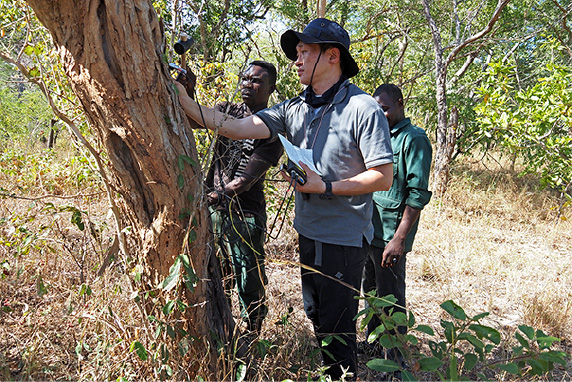
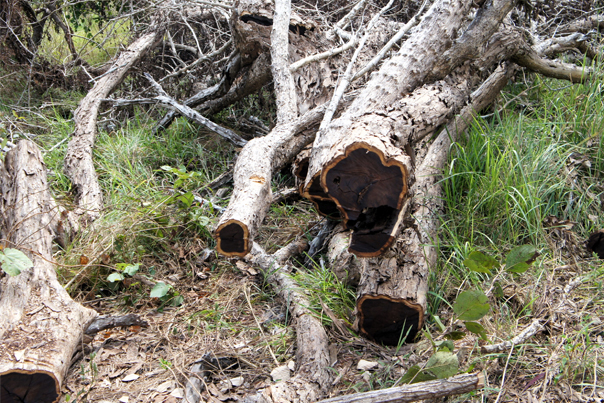
The Tanzania Forest Conservation Project,—which could be considered the start of our Otonomori activities—was awarded the Japan Wood Design Award 2024 in the social design category (Award name: A project to sustain music through sustainable forestry with the local community). This project began in 2015 and has become the foundation for all of our Otonomori activities. At the time, we were facing difficulties procuring African Blackwood (grenadilla), essential to crafting woodwind instruments, and were working to develop new alternative materials. This all started when, during development, the person in charge of the project realized that there are sounds that only real wood materials can reproduce. This knowledge, together with an appreciation for the value of musical instruments and the importance of the social value that wooden materials provide, prompted the person to travel to Tanzania alone to conduct research.
Approximately ten years have passed since these activities began, and as our basic research into sustainably cultivating African Blackwood has progressed, we have gradually come to understand the forest habitat in which they grow. In 2024, we conducted tree-planting activities through enrichment planting* within the community forests of four villages. These activities are now starting to take root as a part of the resource conservation activities that the villagers perform by themselves. These Otonomori activities allow African Blackwood suitable for making musical instruments to be produced sustainably, encourage the development of local society by allowing the ongoing use of wood, and also make the forest healthier. The instruments made by Yamaha and the music that musicians play will ensure that instruments made of African Blackwood continue to be used by the next generation and are able to carry their beautiful tones into the future.
*Enrichment Planting: A method of afforestation in which saplings of specific species of trees are planted within a forest without clear-cutting. Also known as forest planting, this method increases the number of native tree species in a forest with minimal impact on the forest itself. Examples can be seen in monoculture plantations in tropical regions that produce woods such as acacia and teak.