Sakhalin Spruce
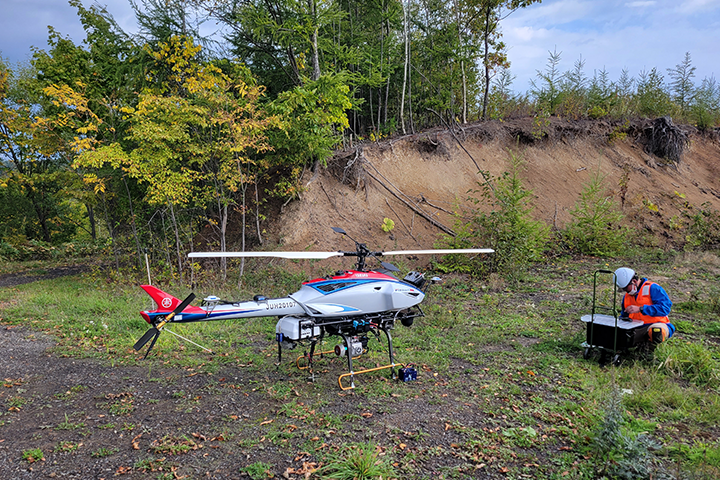
The Okhotsk region of Hokkaido once produced many high-quality, straight trees that could be used in the soundboards of pianos. Now we are developing Otonomori activities unique to Japan, with the goal of once again making pianos with soundboards made of Japanese materials.
![[Main Visual] Sakhalin Spruce](images/pict_01.jpg)
Sakhalin Spruce
Scientific name: Picea glehnii
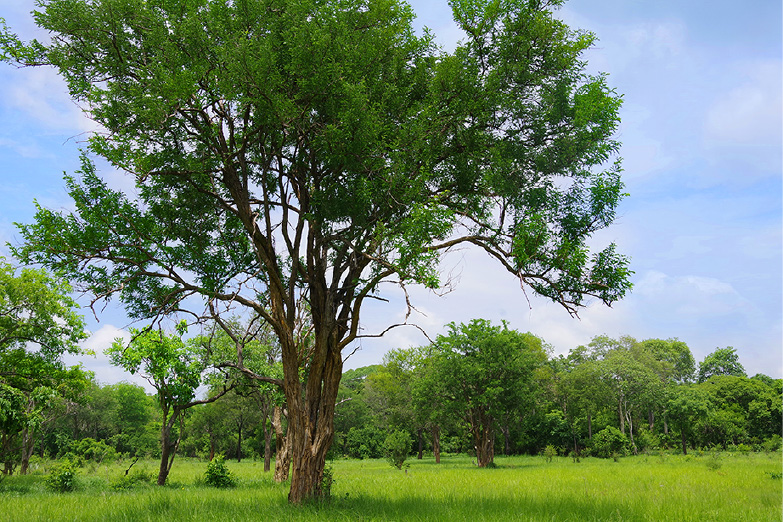
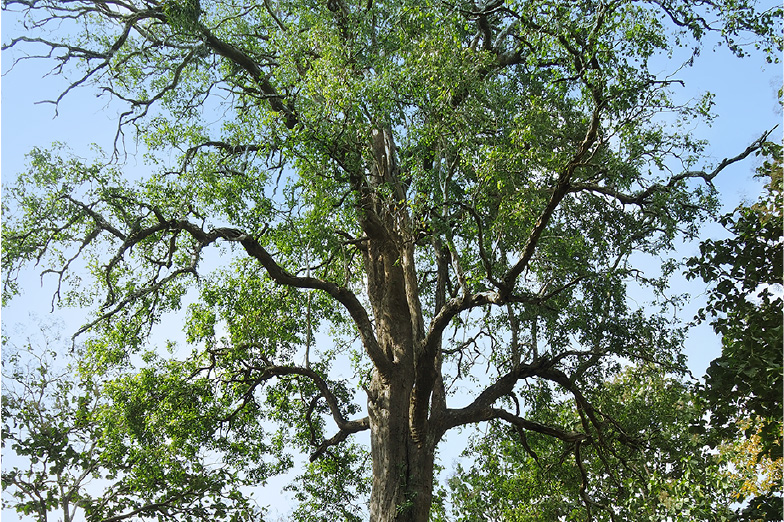
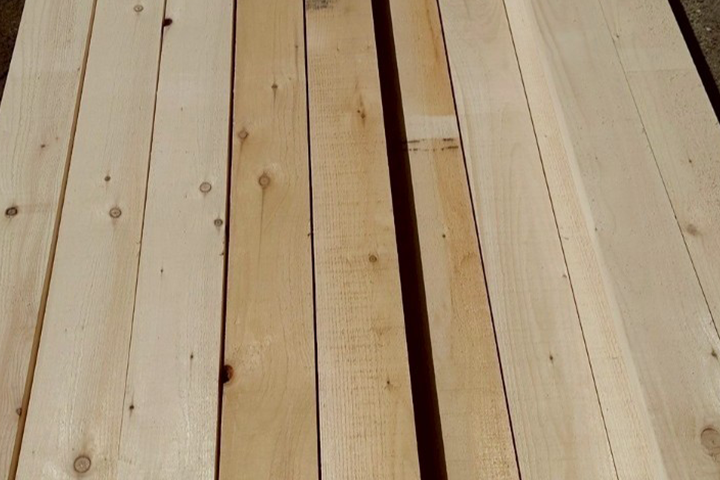
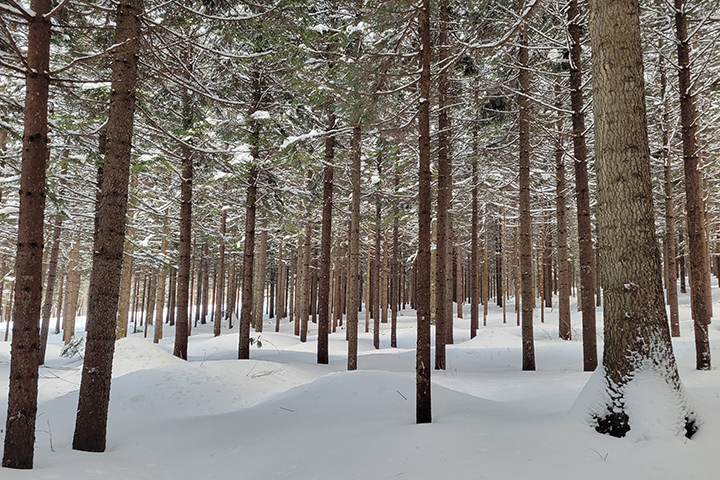
Sakhalin spruce is a species of spruce native to Hokkaido. In the past, pianos manufactured in Japan featured soundboards made of Sakhalin spruce wood. With a yellowish-white color and even rings, its lightness and high elastic modulus make this wood suitable as a material for transmitting vibrations in musical instruments. However, as thick-trunked naturally grown trees all but disappeared from the 1990s onward, the European spruce tree (Picea abies) and the Sitka spruce tree (Picea sitchensis) came to be used for the parts of the pianos that were previously made using Sakhalin spruce.
Sakhalin spruce is second only to the Sakhalin fir and the Japanese larch trees in Hokkaido’s afforested areas and is found in many artificial forests around Kitami City in the Okhotsk region. Its seedlings grow more readily than Ezo spruce (Picea jezoensis), which is closely related, making it comparatively easy to use in afforestation. However, as its branches do not fall easily and it contains many knots, and also grows more slowly than Sakhalin fir or Japanese larch trees, Sakhalin spruce is rarely utilized for artificially grown forests, with use being confined to pulp and certain building materials.
Project Summary
Turning Sakhalin spruce into piano materials again ------ This project began out of consideration for the people of Engaru, a town in the Okhotsk region. Centered in the Okhotsk region, home to approximately 25% of Hokkaido's Sakhalin spruce plantation, this project aims to foster regionally co-created sustainable manufacturing efforts in partnership with local government and research institutions, exploring ways to use Sakhalin spruce effectively and cultivate it in future.
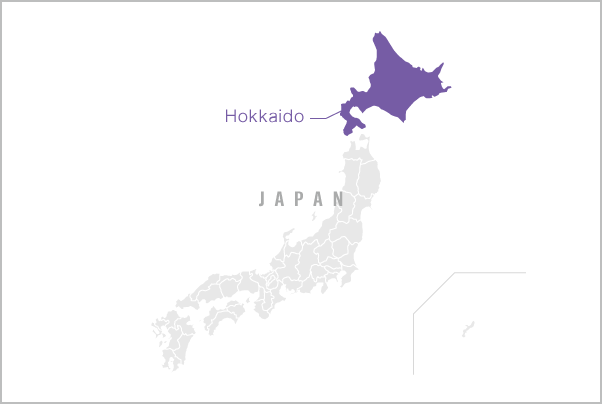
Regions targeted by this project
Okhotsk region, Hokkaido (including Kitami City, Engaru town in Monbetsu District, Takinoue town, and others)
Issues with timber from artificial forests
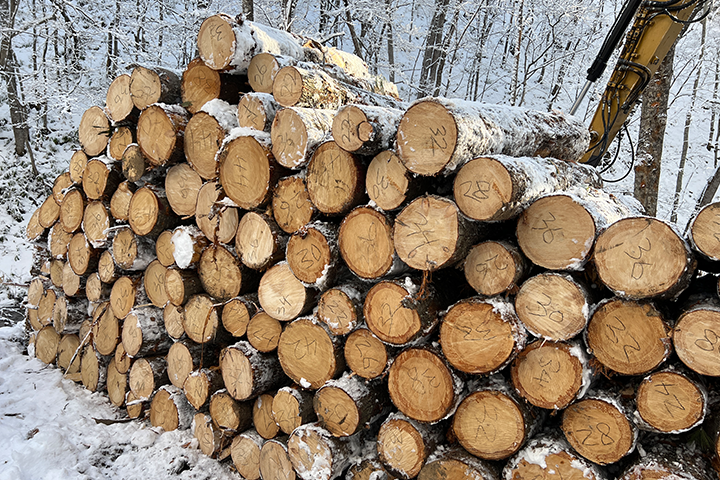
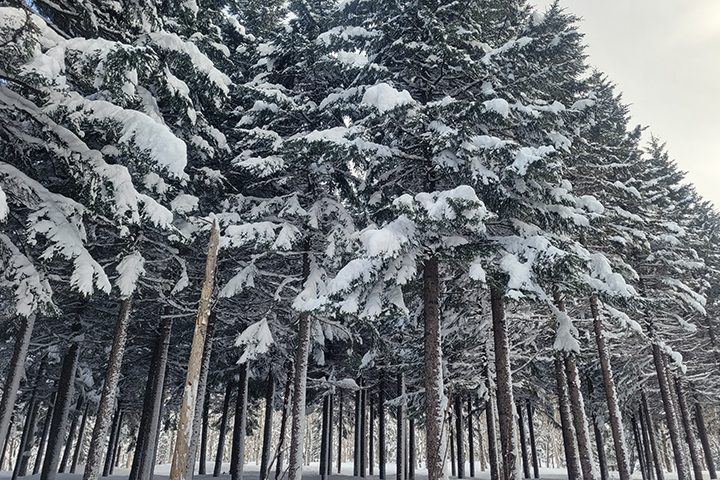
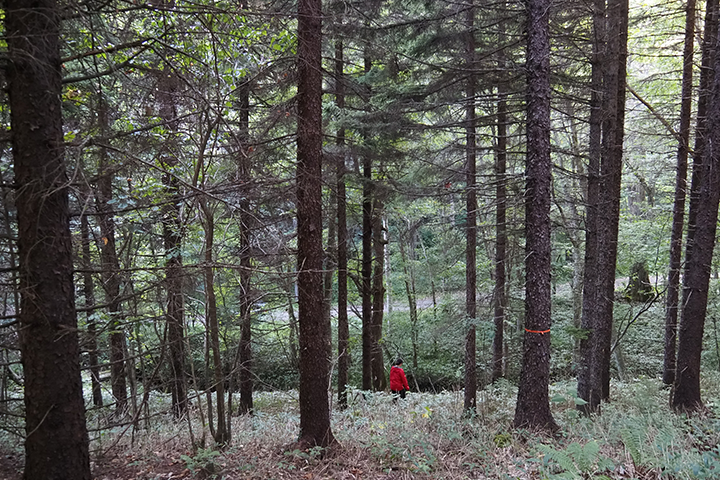
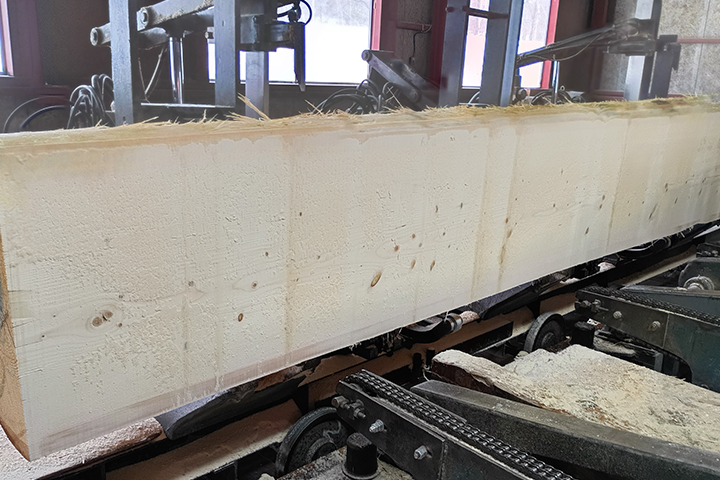
Although the Sakhalin spruce plantations in Hokkaido are said to have a standing volume of approximately 31 million cubic meters, many of the trees are between 40 and 55 years old, and have a relatively small trunk diameter of around 25 cm. As these trees are young, their small diameter cannot provide large lumber surfaces. Moreover, many have not shed their lower branches, resulting in many knots and cracks when milled. Such wood is not suitable for use in areas of instruments that require superior acoustic characteristics. Another issue particular to artificial forests is that the tree growth rings tend to be inconsistent due to the thinning of the trees.
Leveraging potential to its fullest
High-quality spruce trees from overseas such as European spruce are harvested after having grown for 200 to 300 years in the forest. In comparison, the artificial forests of Sakhalin spruce have a short history, and it is possible that wood from them may be eminently usable in musical instruments after growing for 50 or 100 years. To grow them for 100 years we must first find a use for wood from these forests. We must reconsider the significance of cultivating artificial forests as we restore the lost value of Sakhalin spruce by developing wood-processing and utilization technologies that enable even small-diameter timber to be turned into viable products.
Agreement regarding the establishment of “Okhotsk Otonomori”
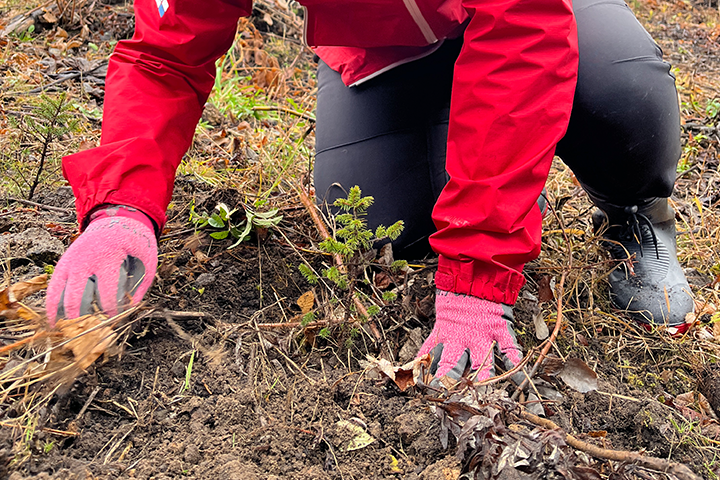
Engaru, where Yamaha Music Craft Hokkaido Co., Ltd. (formerly Kitami Mokuzai Co., Ltd.) is located, once flourished around the harvesting area of Sakhalin spruce. The project was born out of a trilateral agreement entered into in 2016 between the town of Engaru, the Okhotsk Subprefecture, and Kitami Mokuzai (Currently Yamaha Music Craft Hokkaido Co., Ltd.). As part of this agreement, in addition to the establishment of “Okhotsk Otonomori” within the prefectural and municipal forests in the Okhotsk governmental region, collaborative initiatives between industry and government are expected to promote higher added-value use of artificial forests, expanding demand, and encourage mokuiku activities.
Comprehensive partnership agreement between Hokkaido and Yamaha
Hokkaido and Yamaha signed a comprehensive partnership agreement in 2021 with the aim of fostering and sustainably utilizing forests, developing the next generation of talent, promoting music culture, and contributing to environmental conservation. In addition to Sakhalin spruce, Hokkaido is home to other tree species that are important for musical instrument production, such as painted maple and Japanese white birch. Efforts toward sustainable manufacturing that take forests and wood resources into consideration have only just begun.